
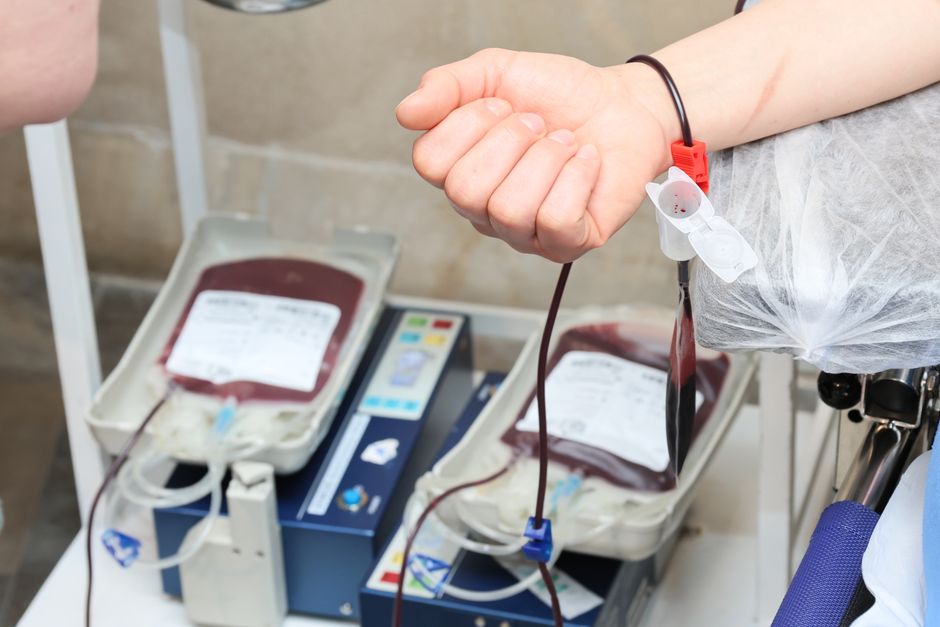
A blood transfusion is a routine medical procedure where donated blood is given to you through an intravenous (IV) line. It replaces blood you have lost, or it provides blood components your body cannot make on its own. The procedure is common, and in most cases, it is a safe and life-saving treatment.
What Is a Blood Transfusion?
A blood transfusion replaces specific parts of your blood. You rarely receive whole blood. Instead, you receive the specific component you need, such as red blood cells, platelets, or plasma.
Red blood cells carry oxygen. Platelets help your blood clot. Plasma is the liquid part of blood that carries proteins and other substances. Doctors decide which component is right for you based on your condition and lab results.
The process usually takes one to four hours. A nurse monitors you during the transfusion for any signs of a reaction. Most people feel no different during the procedure, though some feel a cool sensation where the IV is placed.
Why Would Someone Need a Blood Transfusion?
There are several clear medical reasons for a transfusion. Severe blood loss from surgery, injury, or childbirth is one. Anemia that does not respond to other treatments is another common reason.
Certain illnesses also require transfusions. Blood disorders like sickle cell disease or thalassemia often need regular red blood cell transfusions. Cancer treatments, especially chemotherapy, can lower blood counts and make a transfusion necessary. Bleeding disorders like hemophilia may require plasma or specific clotting factors.
In each case, the goal is the same: restore enough healthy blood to keep your body working properly. The decision to transfuse is never casual. It is based on your symptoms, your hemoglobin level, and your overall medical condition.
How Does a Blood Transfusion Work?
Before a transfusion, a small blood sample is taken from you. This sample is tested to make sure the donated blood is compatible with your blood type. This is called crossmatching.
Your blood type matters. The two most important systems are the ABO system and the Rh factor. If you receive incompatible blood, your immune system can attack the donated cells. This can cause a serious reaction.
Once compatibility is confirmed, the transfusion begins. A thin tube connects the bag of donated blood to a needle in your vein, usually in your arm. The blood drips slowly at first. A nurse stays with you for the first 15 minutes because that is when reactions are most likely to occur.
Your vital signs are checked before, during, and after the transfusion. These include your temperature, blood pressure, and heart rate. You are watched for signs of a reaction, such as fever, chills, or shortness of breath.
What Are the Risks of a Blood Transfusion?
Transfusions are safer today than ever before, but they are not risk-free. The most common risk is a mild allergic reaction. This causes hives or itching. It is usually treated easily and does not harm you long term.
Fever is another possible reaction. It happens when your immune system responds to white blood cells in the donated blood. This is also usually mild and temporary.
Serious reactions are rare. A hemolytic reaction happens when your immune system destroys the transfused red blood cells. This can cause kidney damage and is a medical emergency. This is why careful blood typing and crossmatching are so important before every transfusion.
Infection risk is extremely low. Donated blood is tested for many infectious diseases, including HIV, hepatitis B, hepatitis C, and syphilis. The blood supply in the United States is tightly regulated. Still, no test is perfect, and the risk is not zero.
A condition called transfusion-related acute lung injury, or TRALI, is another rare but serious complication. It causes fluid to build up in the lungs. It is difficult to predict and requires immediate medical care.
Can You Get a Blood Transfusion If You Are Pregnant?
Yes, you can receive a blood transfusion during pregnancy if medically necessary. Severe anemia or heavy bleeding during delivery are the most common reasons.
The risks are weighed carefully. In an emergency, a transfusion can save the life of both the mother and the baby. The blood is tested and screened the same way it is for any other patient.
One specific concern in pregnancy is Rh incompatibility. If you are Rh-negative and the baby is Rh-positive, your immune system can make antibodies against Rh-positive blood. This is managed with a medication called Rh immune globulin. It is given at specific times during pregnancy and after delivery to prevent problems.
If you have questions about transfusions during pregnancy, talk to your obstetrician. They can explain your specific situation and what to expect.
What Are the Alternatives to a Blood Transfusion?
In some cases, transfusions can be avoided. Iron supplements or iron given through an IV can treat iron-deficiency anemia. Certain medications can stimulate your bone marrow to make more red blood cells. These are called erythropoiesis-stimulating agents.
Blood salvage is another option. During or after surgery, your own blood is collected, filtered, and given back to you. This is called autologous transfusion. It avoids the risks of donor blood entirely.
For planned surgeries, some people donate their own blood beforehand. This is called preoperative autologous donation. It is less common than it used to be because of improvements in blood safety and surgical techniques.
These alternatives are not right for everyone. They depend on your condition, the timing of your need, and your overall health. Your doctor can tell you which options apply to you.
How Long Does a Blood Transfusion Last?
This depends on what you received. Red blood cells survive in your circulation for about 90 to 120 days. Platelets last only about 7 to 10 days. Plasma proteins have varying lifespans, from days to weeks.
The benefit of a transfusion is not permanent. If your body is still not making enough blood cells, you may need more transfusions later. This is common in chronic conditions like bone marrow failure or advanced cancer.
Your doctor will check your blood counts after a transfusion to see how well you responded. This helps them decide if more treatment is needed and when.
How Do You Prepare for a Blood Transfusion?
Preparation is mostly about testing and consent. Your blood type is confirmed. Your doctor explains the procedure, the risks, and the benefits. You sign a consent form.
You do not need to fast. You can eat and drink normally before a transfusion. You should tell your doctor about all medications you take, including over-the-counter drugs and supplements.
Wear comfortable clothing with easy access to your arm. Bring something to do, like a book or music, because the transfusion can take a few hours. Let the nurse know immediately if you feel unwell during the procedure.
Frequently Asked Questions
How long does a blood transfusion take?
Most transfusions take one to four hours. The exact time depends on the blood component and your medical condition.
Is a blood transfusion painful?
The needle stick at the start is the only painful part. Most people feel no pain during the transfusion itself.
Can you receive a blood transfusion if you have a rare blood type?
Yes. Blood banks maintain supplies of rare blood types. If your type is very rare, your doctor may arrange for blood to be collected from a matched donor in advance.
What is the most common blood type?
O positive is the most common blood type. It is present in about 38 percent of the population. O negative is the universal donor type and is used in emergencies when there is no time to test the patient’s blood type.
