
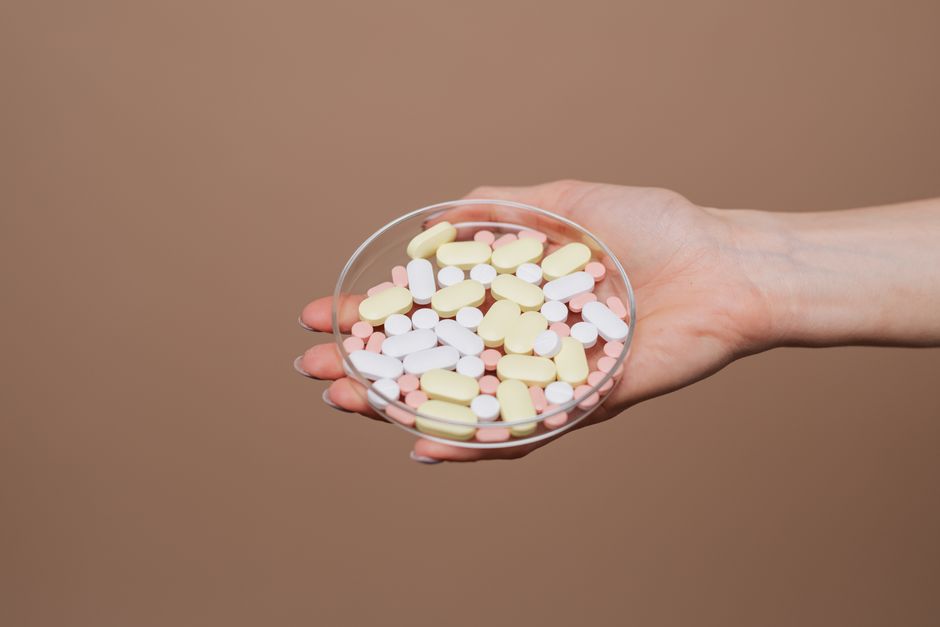
A 10 panel drug test screens urine for ten specific substances or drug classes at once. It is one of the most common panels used in pre-employment screening, and it usually covers amphetamines, barbiturates, benzodiazepines, cocaine, marijuana, methadone, methamphetamine, opioids, PCP, and propoxyphene. The exact list can vary by lab and by employer, so two tests with the same name do not always check for identical drugs.
What Does a 10 Panel Drug Test Actually Screen For?
The standard 10 panel covers ten drug classes. Most labs test for the parent drug or its metabolites — the breakdown products left behind after the body processes a substance.
Here is what each class typically includes:
- Amphetamines — including amphetamine and methamphetamine
- Barbiturates — a class of sedatives such as phenobarbital and secobarbital
- Benzodiazepines — drugs like diazepam, alprazolam, and lorazepam
- Cocaine — detected through its metabolite benzoylecgonine
- Marijuana — detected through THC metabolites
- Methadone — a synthetic opioid used in addiction treatment and pain management
- Methamphetamine — sometimes listed separately from amphetamines
- Opioids — natural and semi-synthetic opioids such as morphine, codeine, and heroin
- PCP — phencyclidine, a dissociative drug
- Propoxyphene — an opioid pain reliever withdrawn from the U.S. market in 2010
That last one is worth noting. Propoxyphene was pulled from the market years ago, yet many 10 panel tests still include it. Some labs have swapped it out for a different drug, such as oxycodone or ecstasy. This is why the term “10 panel” describes a number, not a fixed list.
How Is a 10 Panel Drug Test Collected and Analyzed?
Urine is the most common sample type for a 10 panel. It is inexpensive, well-studied, and can detect drug use from the past few days to several weeks depending on the substance.
The process usually works in two stages. First, an immunoassay screens the sample. This is a fast, relatively low-cost test that flags whether a drug or its metabolite is present above a set cutoff. If the screen is negative, the result is typically reported as negative.
If the screen is positive, a second step confirms it. Most labs use gas chromatography-mass spectrometry or liquid chromatography-mass spectrometry. These methods identify the specific substance with far greater accuracy. A positive screen without confirmation is not considered a definitive result in most workplace testing programs.
Other sample types exist. Saliva and hair tests are used in some settings, but the 10 panel format is most closely tied to urine testing. Each sample type has different detection windows and different limitations.
How Long Do Drugs Stay Detectable on a 10 Panel Test?
Detection windows vary widely by drug, dose, frequency of use, body composition, and individual metabolism. No single number applies to everyone.
Rough general ranges for urine testing:
- Amphetamines and methamphetamine — typically 1 to 3 days
- Barbiturates — roughly 1 to 3 weeks, longer for heavy long-term use
- Benzodiazepines — often 1 to 6 weeks, depending on the specific drug
- Cocaine — usually 1 to 4 days
- Marijuana — anywhere from a few days to several weeks; chronic heavy users can test positive for longer
- Methadone — about 1 to 3 days
- Opioids — generally 1 to 3 days
- PCP — roughly 1 to 4 weeks
These are general estimates, not guarantees. A person who uses heavily and frequently will often test positive longer than someone who used once. Body fat matters for marijuana specifically because THC metabolites are stored in fat tissue and released slowly.
No test can tell you exactly when someone last used a drug. It can only show whether a substance or its metabolite was present above the cutoff at the time of collection.



What Do the Results Mean — and What Can Cause a False Result?
A negative result means no drug was detected above the test’s cutoff. A positive result means a drug or metabolite was detected, usually confirmed by a second method.
False positives do happen. Certain prescription medications, over-the-counter drugs, and even some foods can trigger a positive screen. Common examples include some cold medicines, certain antidepressants, and poppy seeds. This is exactly why confirmation testing exists. A positive screen alone is not proof of drug use.
False negatives are also possible. A sample that is too diluted — from drinking large amounts of water — can push drug concentrations below the cutoff. Some labs check for dilution by measuring creatinine levels in the urine.
Cutoff levels matter. Each drug class has a threshold concentration the lab uses to call a result positive. A result just below the cutoff is reported as negative even if trace amounts are present. This is a standard part of how the tests are designed, not a flaw.
How Does a 10 Panel Compare to Other Drug Test Panels?
The number in the panel name refers to how many drug classes are screened. More panels mean broader coverage, not necessarily better accuracy.
| Panel | Typical Coverage |
|---|---|
| 5 panel | Amphetamines, cocaine, marijuana, opioids, PCP |
| 10 panel | The 5 panel drugs plus barbiturates, benzodiazepines, methadone, methamphetamine, and propoxyphene |
| 12 panel | Adds drugs such as oxycodone, ecstasy, or buprenorphine |
The 5 panel is the most basic and is common in federal workplace testing. The 10 panel adds prescription-type drugs and is often used by employers who want broader screening. The 12 panel adds still more, but the exact additions vary by lab.
There is no universal standard that locks these panels to specific drug lists. An employer or testing facility decides which panel to use based on its needs and any legal requirements that apply.
Is a 10 Panel Drug Test the Same Everywhere?
No. The name describes a count, not a fixed menu. Two labs can both offer a “10 panel” and test for slightly different drugs.
Federal workplace testing programs, for example, follow their own established panel that does not include every drug in a commercial 10 panel. Private employers, courts, and treatment programs may use different configurations.
If you need to know exactly what a specific test checks for, the only reliable source is the lab or testing facility running it. Ask for the panel’s drug list and cutoff levels. That information is usually available on request.
One more point worth understanding: a 10 panel does not test for every drug. It misses many substances entirely — including alcohol, synthetic cannabinoids, and many prescription pain medications not on the list. A negative 10 panel result does not mean a person has used no drugs at all. It means none of the ten screened substances were detected above the cutoff.
Frequently Asked Questions
What drugs does a 10 panel drug test check for?
It typically screens for amphetamines, barbiturates, benzodiazepines, cocaine, marijuana, methadone, methamphetamine, opioids, PCP, and propoxyphene. The exact list can vary by lab, since “10 panel” describes the number of drug classes, not a fixed set.
How long does a 10 panel drug test take to get results?
Rapid screening results are often available within hours, while lab-confirmed results usually take one to several business days. Timelines vary by facility, so check with the testing lab for a specific estimate.
Can a 10 panel drug test detect alcohol?
No. Standard 10 panel urine tests do not screen for alcohol. Alcohol is usually tested separately using breath, blood, or a specific urine test for alcohol metabolites.
What can cause a false positive on a 10 panel drug test?
Certain prescription medications, some over-the-counter cold medicines, and foods like poppy seeds can trigger a false positive on the initial screen. Confirmation testing with mass spectrometry is used to verify any positive screen result.
