
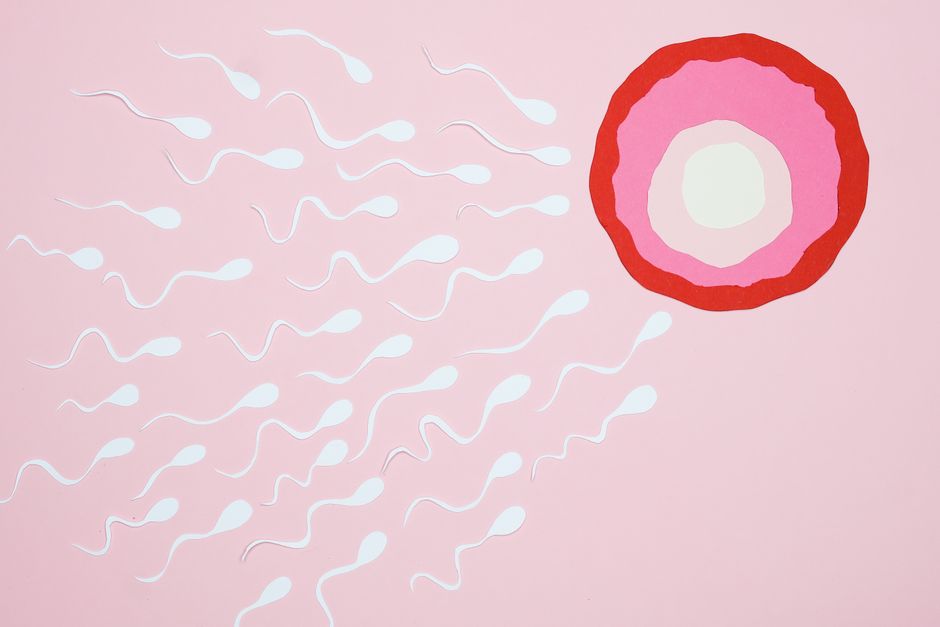
Semen analysis is one of the few tests in medicine that gives a direct look at a process happening inside your body right now. It measures how many sperm you produce, how well they move, and how they are shaped. And a growing body of research suggests those numbers can reflect more than fertility alone. They may offer clues about your general health, including risks that have nothing to do with having children.
What Does a Semen Analysis Actually Measure?
A semen analysis is a laboratory test that examines a sample of semen under a microscope and through automated counting systems. It reports several distinct measurements, and each one tells you something different.
The main measurements include:
- Sperm concentration — the number of sperm per milliliter of semen
- Total sperm count — concentration multiplied by total volume
- Motility — the percentage of sperm that are moving, and how well they move
- Morphology — the percentage of sperm with a normal shape
- Volume — how much semen the sample contains
- pH and other markers — acidity and additional chemical properties
Reference ranges come from the World Health Organization, which publishes updated laboratory manual values. These are not pass-fail thresholds. They describe the lower end of what is seen in men who have fathered children within about a year of trying. A result below a reference value does not mean you cannot conceive. It means your numbers fall below what is typical in that group.
One important clarification: a single abnormal result does not diagnose anything. Sperm production is sensitive to recent events like fever, illness, stress, and even how long you abstained before the sample. Clinicians generally repeat testing before drawing conclusions.
What Your Sperm Says About You And Your Health?
This is the central question, and the answer is more interesting than most people expect. Sperm are produced continuously, roughly on a 60 to 90 day cycle from start to finish. That means a semen analysis reflects your recent physiological state in a way that many other tests do not.
Research has found associations between poorer semen quality and several health conditions. These include:
- Testicular cancer, particularly in men with severely reduced sperm production
- Cardiovascular disease and metabolic syndrome
- Type 2 diabetes
- Obesity
- Certain autoimmune and endocrine conditions
The strength of this evidence varies by condition. The link between impaired sperm production and testicular cancer is among the better supported, based on studies following large groups of men over time. The links to cardiovascular and metabolic disease are also supported by multiple studies, though the effect sizes are generally modest.
What this does not mean is that a low sperm count causes these conditions. More likely, they share underlying causes. Hormonal signaling, oxidative stress, inflammation, and genetic factors can affect both sperm production and broader health. Sperm may act as a kind of biological readout rather than a cause.
Why Sperm Are a Sensitive Indicator of Overall Health
Sperm production is one of the most metabolically demanding processes in the male body. The testes divide cells rapidly, and that division is vulnerable to damage from oxidative stress, toxins, heat, and hormonal disruption.
Because of this sensitivity, problems that affect your whole body often show up in sperm first. Chronic inflammation, poor blood sugar control, and obesity all disrupt the hormonal signals that drive sperm production. The hypothalamus, pituitary gland, and testes work as a connected system. When any part of that system is stressed, sperm output can fall.
This is why some researchers describe semen quality as a window into male health rather than just a fertility measure. It is not a perfect window. Many men with low sperm counts are otherwise healthy. But patterns across large populations are consistent enough that the association is worth taking seriously.





Can Sperm Quality Predict Future Health Problems?
Some studies suggest it can, at least in a statistical sense. Research following men over years has found that those with poorer semen quality tend to have higher rates of certain diseases later in life.
The evidence is strongest for cancer and for cardiovascular outcomes. Several large cohort studies have reported that men with abnormal semen parameters had higher all-cause mortality than men with normal parameters. That is a striking finding, but it needs careful interpretation.
Statistically higher risk across a population does not tell you what will happen to one person. A man with a low sperm count may live a long, healthy life. The association is a signal worth discussing with a doctor, not a prediction.
What remains uncertain is whether improving sperm quality changes long-term health outcomes. No large trials have confirmed that. It is plausible, since many of the same lifestyle factors affect both, but plausibility is not proof.
What Can Lower Sperm Quality?
Many factors can reduce sperm count, motility, or shape. Some are temporary. Others reflect ongoing health issues.
Well-established contributors include:
- Heat exposure — the testes sit outside the body because sperm production works best a few degrees below core body temperature. Frequent hot tubs, saunas, or prolonged laptop use on the lap can raise scrotal temperature.
- Smoking — associated with lower sperm counts and poorer motility across many studies.
- Heavy alcohol use — can suppress testosterone and disrupt sperm production.
- Obesity — excess body fat alters hormone levels, including estrogen and testosterone.
- Certain medications — some chemotherapy drugs, anabolic steroids, and specific antibiotics can affect sperm production. Talk to your prescriber before stopping anything.
- Varicocele — enlarged veins in the scrotum, a common and treatable cause of reduced sperm quality.
- Hormonal disorders — problems with the pituitary or hypothalamus can reduce sperm production.
Some factors are debated. Cell phone radiation, tight underwear, and soy consumption have been studied, but the evidence is mixed and generally does not support strong conclusions. If you hear a confident claim about any of these, be skeptical.
What Improves Sperm Health?
Because sperm regenerate on a roughly 60 to 90 day cycle, changes you make now can show up in a semen analysis within a few months. That is encouraging, but it also means results lag behind your current habits.
Steps with reasonable supporting evidence include:
- Avoiding smoking and limiting alcohol
- Maintaining a healthy body weight
- Managing conditions like diabetes and high blood pressure
- Avoiding prolonged heat exposure to the scrotum
- Getting regular physical activity
- Eating a balanced diet rich in antioxidants from fruits and vegetables
Supplements marketed for sperm health are a different story. Some small studies have looked at antioxidants like zinc, selenium, and coenzyme Q10. Results have been mixed, and no large trial has confirmed that these supplements improve fertility or health outcomes in men. If you are considering one, discuss it with a doctor, especially if you take other medications.
If you have a varicocele or a hormonal disorder, treatment can improve sperm parameters. These are medical decisions, not lifestyle ones.
When Should You Get Tested?
Semen analysis is typically done when a couple is struggling to conceive. Guidelines generally suggest evaluation after about a year of trying if the female partner is under 35, or after six months if she is 35 or older. Earlier testing may be appropriate if there is a known history of testicular problems, chemotherapy, or other risk factors.
Outside of fertility concerns, there is no routine recommendation to check semen quality as a general health screen. That may change as research develops, but it is not current practice. If you have symptoms like testicular pain, swelling, or a lump, see a doctor promptly. Those are not sperm quality issues — they need direct evaluation.
Frequently Asked Questions
Can low sperm count affect my overall health?
Research has linked lower sperm quality to higher rates of certain conditions, including testicular cancer and cardiovascular disease. It does not mean you will develop these conditions, but it may be worth discussing with your doctor.
How long does it take to improve sperm quality?
Sperm production takes roughly 60 to 90 days, so changes from lifestyle adjustments may appear in a semen analysis after about two to three months. Repeat testing is usually done after that window.
Does masturbation affect sperm count?
Ejaculation frequency can temporarily affect sperm concentration in a sample, which is why clinics often ask for a specific abstinence period before testing. It does not cause lasting changes to sperm production.
Are sperm health supplements effective?
No large trials have confirmed that supplements improve sperm health or fertility outcomes. Some small studies show mixed results, so talk to a doctor before starting one.
