
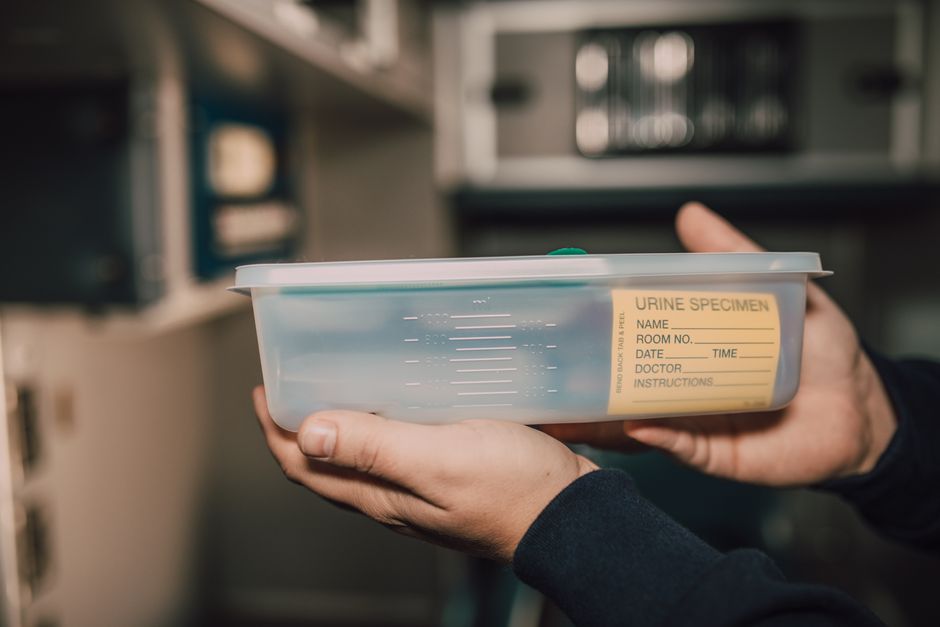
A urine culture is a lab test that looks for bacteria or yeast in your urine. It is the standard way to diagnose a urinary tract infection (UTI). If you have an infection, the culture will identify exactly which germ is causing it. It also tells your doctor which antibiotics are most likely to kill that specific germ.
Why Would a Doctor Order a Urine Culture?
Doctors order a urine culture when they suspect a urinary tract infection. Common symptoms include a burning feeling when you urinate, needing to urinate often, and lower belly pain. Urine that looks cloudy or has a strong smell can also be a sign.
Many people with these symptoms get treated without a culture. That is fine for simple, uncomplicated cases. But a culture is often needed when the infection is severe, keeps coming back, or does not get better with standard antibiotics. It is also used for pregnant women, older adults, and people with kidney problems or weakened immune systems.
A urine culture is different from a urinalysis. A urinalysis is a quick screening test done in the office. It can show signs of infection like white blood cells or nitrites. But it does not tell you the exact germ or which drug will treat it. A culture takes longer — usually 24 to 48 hours — but it gives a definitive answer.
What Would a Urine Culture Show in a Normal Result?
A normal urine culture shows no significant growth of bacteria. That means the urine sample did not contain enough bacteria to suggest an infection. Urine is not sterile, but healthy people usually have very low levels of bacteria in it. These are often just skin germs that got into the sample during collection.
Lab reports use a measurement called colony-forming units per milliliter, or CFU/mL. This counts how many bacteria are in the sample. The traditional cutoff for a positive culture is 100,000 CFU/mL of a single type of bacteria. That number has been used for decades.
But lower counts can still be meaningful. Many experts now consider 10,000 CFU/mL significant if you have symptoms. Even lower counts can matter in certain groups, like men, children, and people with catheters. Your doctor interprets the number in the context of your symptoms and health history.
What Bacteria Does a Urine Culture Identify?
When a culture is positive, it names the specific bacteria. This matters because different bacteria respond to different antibiotics.
The most common cause of uncomplicated UTIs is Escherichia coli, usually called E. coli. It causes about 80 percent of these infections. E. coli normally lives in the gut. It can enter the urinary tract through the urethra and travel upward.
Other bacteria that can show up include:
- Klebsiella pneumoniae — another gut bacteria that can cause UTIs
- Proteus mirabilis — linked to kidney stones in some cases
- Enterococcus faecalis — more common in older adults and people with catheters
- Staphylococcus saprophyticus — a common cause in young, sexually active women
- Staphylococcus aureus — less common but more serious
- Pseudomonas aeruginosa — often associated with hospital-acquired infections
Some of these bacteria are harder to treat than others. Pseudomonas, for example, often resists multiple antibiotics. Knowing which one you have guides the treatment plan.
What Does the Antibiotic Sensitivity Test Show?
This is the part of the culture report that tells your doctor which drugs will work. It is called susceptibility testing, sometimes written as culture and sensitivity, or C&S.
The lab takes the bacteria that grew and exposes it to different antibiotics. It then reports each drug as susceptible, intermediate, or resistant. Susceptible means the antibiotic should stop the bacteria. Resistant means it will not work. Intermediate means the drug may work at higher doses or in certain situations.
This information is critical because antibiotic resistance is a growing problem. The antibiotic that worked for your last UTI may not work for this one. The susceptibility test removes the guesswork. Your doctor can pick a drug that is proven to kill your specific bacteria.
If your infection does not improve after two or three days on an antibiotic, the culture result helps your doctor switch to a more effective option.
What If the Culture Shows Mixed Growth?
Sometimes a culture report says “mixed growth” or “mixed flora.” This usually means multiple types of bacteria grew, but none in high enough numbers to be the clear culprit. This often indicates contamination.
Contamination happens when skin bacteria from the genital area get into the sample. It is more common with urine collected without proper cleaning. Women are especially prone to this because the urethra is close to the vagina.
A contaminated sample does not mean you have an infection. Your doctor may simply ask you to give another sample. Sometimes a clean catch sample is needed. That means cleaning the genital area first, letting a small amount of urine pass, and then collecting the middle portion.
In rare cases, mixed growth can indicate a true infection with multiple organisms. This is more likely in people with catheters, structural abnormalities, or chronic kidney problems. Your doctor will decide based on your symptoms and risk factors.
What Does a Urine Culture Show for Fungal Infections?
Bacteria cause most UTIs, but fungi can also be responsible. The most common fungus is Candida, especially Candida albicans. A urine culture can detect this too.
Candida in the urine is common in certain groups. People with diabetes, people with catheters, and people taking antibiotics for a long time are at higher risk. In healthy people, a small amount of Candida in the urine may not need treatment. It can be a contaminant from the skin.
But if Candida is present in high numbers and you have symptoms, treatment is needed. Antifungal medications are used instead of antibiotics. Standard antibiotics do not kill fungi, so the culture result is essential for getting the right treatment.
What Happens After the Culture Comes Back Positive?
A positive culture confirms you have a UTI. Your doctor will prescribe an antibiotic based on the susceptibility results. For uncomplicated infections, a short course of oral antibiotics usually works well.
You should start feeling better within a day or two of starting the right antibiotic. It is important to finish the full course even if you feel better. Stopping early can leave surviving bacteria behind and contribute to resistance.
If the culture shows a resistant bacteria, your doctor may prescribe a different antibiotic or a longer course. In severe cases, you may need intravenous antibiotics in a hospital. This is more common for kidney infections or infections that have spread into the bloodstream.
Your doctor may also order a repeat culture after treatment. This is common for people with recurrent infections, pregnant women, or those with kidney problems. A repeat culture confirms the infection is fully cleared.
How Long Does It Take to Get Results?
Most urine cultures take 24 to 48 hours to show initial results. The bacteria need time to grow in the lab. Some slow-growing organisms may take longer, up to several days.
The susceptibility testing adds another 12 to 24 hours. So the full report with antibiotic recommendations usually arrives in about two to three days. Some labs can identify the bacteria faster using newer technology, but the traditional culture method remains the standard.
This delay is why doctors sometimes start treatment before the culture result is ready. If you have clear UTI symptoms, you may get a prescription right away. The culture result then confirms or adjusts that choice once it comes back.
What Can Affect the Accuracy of a Urine Culture?
The accuracy depends heavily on how the sample is collected. A clean catch sample is the standard method. You clean the genital area, start urinating, stop, and then collect the middle stream into a sterile cup.
Several things can give misleading results. Taking antibiotics before the test can suppress bacterial growth and cause a false negative. Excessive drinking of water can dilute the urine and lower bacterial counts. Collecting the sample at the wrong time or using an unsterile container can introduce contamination.
The best time to collect a sample is first thing in the morning. Bacteria have had all night to grow in the bladder, so the count is highest. If you cannot collect in the morning, try to hold your urine for at least two to four hours before collecting.
For people who cannot provide a clean catch sample, a catheter may be used. This is more invasive but gives a more accurate result. It is reserved for specific situations where contamination would be especially misleading.
Frequently Asked Questions
What does a urine culture test for?
A urine culture tests for bacteria or yeast in your urine that are causing an infection. It identifies the specific germ and which antibiotics can kill it.
How long does a urine culture take to show results?
Initial results usually take 24 to 48 hours for bacteria to grow. Full results including antibiotic sensitivity testing typically arrive in two to three days.
Can a urine culture be wrong?
Yes, a sample contaminated with skin bacteria can produce a false positive or mixed growth result. Taking antibiotics before the test can cause a false negative.
What does 100,000 CFU/mL mean in a urine culture?
It is the traditional threshold for a significant infection, meaning a high number of a single bacteria type is present. Lower counts can still be significant if you have symptoms.
