
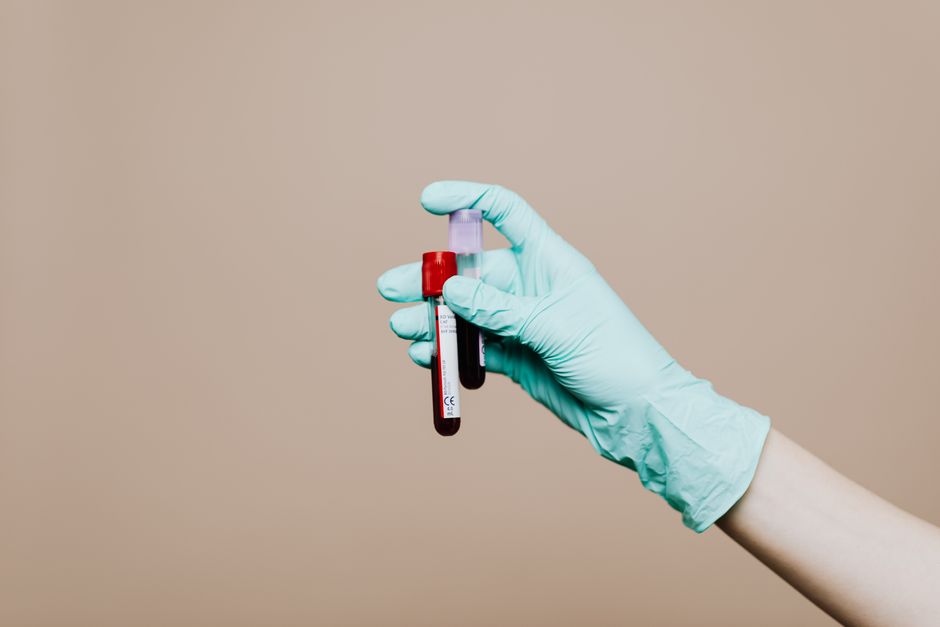
A blood test can reveal far more than most people realize. A single sample of blood carries information about your organs, your blood cells, your hormones, your immune system, and your risk for certain diseases.
Doctors use blood tests to screen for problems before symptoms appear, to diagnose conditions when something feels wrong, and to track how well a treatment is working. The specific answers you get depend entirely on which tests are ordered.
What Can a Standard Blood Test Detect?
A routine blood panel can detect anemia, infection, diabetes, kidney problems, liver problems, and abnormal electrolyte levels. These are among the most common findings from basic bloodwork.
The most frequently ordered test is the complete blood count, or CBC. It measures red blood cells, white blood cells, and platelets. A low red blood cell count can point to anemia. A high white blood cell count often signals infection or inflammation. Platelet numbers matter for clotting.
A basic metabolic panel checks electrolytes like sodium and potassium, plus glucose and markers of kidney function such as creatinine. A comprehensive metabolic panel adds liver enzymes and protein levels. These panels give a broad snapshot of how your body is functioning.
Lipid panels measure cholesterol and triglycerides. These numbers help estimate cardiovascular risk. They do not diagnose heart disease on their own, but they inform treatment decisions.
What Will A Blood Test Reveal About Your Organs?
Blood tests reveal organ function indirectly by measuring substances that organs produce or filter. The liver and kidneys are the two organ systems most commonly assessed through bloodwork.
For the liver, doctors look at enzymes like ALT and AST. When liver cells are damaged, these enzymes leak into the bloodstream and levels rise. High levels can indicate fatty liver disease, hepatitis, medication side effects, or other liver stress. But elevated liver enzymes do not always mean serious disease. Levels can rise temporarily from many causes.
For the kidneys, doctors measure creatinine and blood urea nitrogen. Creatinine is a waste product that healthy kidneys filter out. When kidneys are not filtering well, creatinine rises. This is one of the most reliable indicators of kidney function.
Thyroid function is checked through TSH, and sometimes T3 and T4. These hormones control metabolism. Abnormal levels can explain fatigue, weight changes, and mood shifts.
Can a Blood Test Detect Cancer?
Blood tests can detect some cancers, but they are not a general cancer screening tool. No routine blood test can reliably rule cancer in or out across the board.
A CBC might show abnormal blood cell counts that prompt further investigation for blood cancers like leukemia or lymphoma. But most solid tumors — lung, breast, colon, prostate — do not show up on standard bloodwork in early stages.
Some specific blood tests exist for certain cancers. The PSA test screens for prostate cancer risk. CA-125 is sometimes used in ovarian cancer monitoring. These tests have limitations. They can produce false positives and false negatives. They are used alongside imaging and biopsy, not instead of them.
Newer blood tests that look for circulating tumor DNA are being developed. Some are approved for specific uses, such as detecting recurrence in certain cancers. But their role in general population screening is still being studied. No clinical evidence currently confirms that these tests can replace standard screening methods like mammography or colonoscopy.





What Do Abnormal Results Actually Mean?
An abnormal result does not automatically mean you have a disease. Reference ranges are statistical tools, not absolute boundaries between health and illness.
Laboratories establish normal ranges by testing large groups of people. About 5% of healthy people fall outside the range on any given test. If you run 20 tests, the odds of at least one being flagged go up considerably. That is why doctors interpret results in context.
Several factors can shift blood test results without indicating disease:
- Dehydration can concentrate blood and raise certain values
- Recent meals affect glucose and lipid measurements
- Strenuous exercise can temporarily raise liver enzymes and muscle markers
- Medications — including common ones — can alter results
- Stress and lack of sleep can affect hormone levels
- Time of day matters for some hormones like cortisol
A single abnormal result usually leads to a repeat test or additional testing. Trends over time are often more meaningful than one snapshot.
What Blood Tests Cannot Tell You
Blood tests cannot diagnose most mental health conditions, detect all early-stage diseases, or predict your future health with certainty. This is where expectations often exceed reality.
Many conditions require imaging, biopsy, or clinical examination for diagnosis. A blood test might suggest something is wrong, but it rarely provides a complete answer on its own.
Direct-to-consumer blood tests have expanded access, but they come with caveats. Some measure markers with limited clinical utility. Others provide results without the context a doctor would offer. A result that looks alarming might be meaningless without knowing your history, medications, and other test results.
Genetic blood tests can identify inherited risk for certain conditions. But carrying a genetic variant does not mean you will develop the disease. It means your risk may be higher or lower than average. Genetic counselors help interpret these results.
How Often Should You Get Blood Work Done?
There is no single schedule that fits everyone. How often you need blood tests depends on your age, health history, medications, and risk factors.
For healthy adults without chronic conditions, many guidelines suggest basic screening every few years. Cholesterol screening typically starts in the 20s or 30s and continues at regular intervals. Diabetes screening is often recommended starting around age 35 for adults with overweight or obesity, and earlier for those with other risk factors.
If you have a chronic condition like diabetes, thyroid disease, or kidney disease, your doctor may order bloodwork several times a year. If you take medications that affect the liver, kidneys, or blood clotting, regular monitoring is often needed.
Some clinicians recommend annual bloodwork for adults over 50. Others take a more targeted approach based on individual risk. The evidence does not strongly support one universal schedule for everyone.
What Should You Do Before a Blood Test?
Preparation affects accuracy. Following instructions matters more than most people think.
Fasting is required for some tests, particularly glucose and lipid panels. Typically this means no food or drink except water for 8 to 12 hours before the draw. If you are not sure whether to fast, ask the ordering provider. Fasting when it is not needed is harmless, but eating when you were supposed to fast can invalidate results.
Stay hydrated. Drinking water makes veins easier to find and can reduce the chance of a failed draw. Unless your test requires fluid restriction, drink normally.
Tell the person drawing your blood about any medications, supplements, or herbal products you take. Some can interfere with test results. Biotin, a common supplement, is known to interfere with certain hormone and cardiac tests.
Avoid strenuous exercise for 24 hours before the test if your panel includes muscle or liver enzymes. Even a hard workout can raise those values temporarily.
Understanding Your Results
Blood test results usually come with a reference range next to your value. Values outside the range are often flagged. But the flag is a starting point, not a conclusion.
Ask your doctor what the result means in the context of your overall health. Ask whether the result needs to be repeated. Ask what the next step is if the value stays abnormal. These questions turn a number on a page into useful information.
One non-obvious point: two different labs can report different reference ranges for the same test. This is because labs use different equipment and methods. Comparing a result from one lab to a result from another is not always apples to apples.
Frequently Asked Questions
Can a blood test detect all diseases?
No. Blood tests can detect many conditions, but they cannot screen for every disease. Many conditions require imaging, biopsy, or physical examination for diagnosis.
How long does it take to get blood test results?
Most routine blood test results are available within 24 to 72 hours. Some specialized tests take longer, sometimes up to a week or more.
Can I eat before a blood test?
It depends on which tests are ordered. Fasting is required for glucose and lipid panels, typically 8 to 12 hours. Ask your provider whether fasting applies to your specific tests.
What happens if my blood test results are abnormal?
An abnormal result often leads to a repeat test or additional testing. Many abnormal values turn out to be temporary or not clinically significant. Your doctor will interpret the result in context.
