
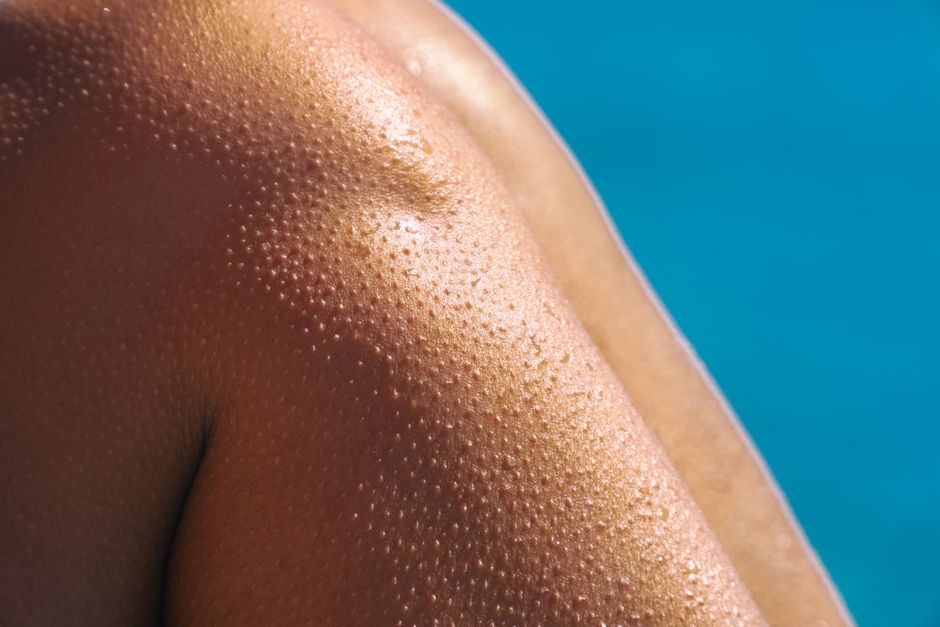
Your skin is waterproof because of a specific mix of substances it makes on its own. The key players are sebum, which is an oily wax produced by sebaceous glands, and lipids found between skin cells, mainly ceramides, cholesterol, and fatty acids. Together with certain proteins like filaggrin that create a tight physical barrier, these components form what scientists call the skin barrier or stratum corneum. This barrier keeps water inside your body and stops outside stuff from getting in. There is no single ingredient that does this alone — it is the combination of oil, fat, and protein working as a team.
How Does Sebum Actually Help Waterproof Skin?
Sebum is not just random oil on your face. It is a complex mix of triglycerides, wax esters, squalene, and free fatty acids. Your sebaceous glands push it out through hair follicles onto the skin surface. Once there, it spreads into a thin film.
This film does two things. First, it slows down water evaporation from the skin. Second, it makes the skin surface slightly acidic, which keeps bad bacteria from growing. The American Academy of Dermatology notes that people with very little sebum production often have dry, cracked skin that loses water faster.
But sebum is only part of the story. If you wash all the oil off with harsh soap, your skin still does not fall apart. That is because the lipids between your skin cells are doing heavy lifting too.
What Role Do Lipids Play in the Waterproof Barrier?
The space between your skin cells is filled with lipids. Think of skin cells like bricks and lipids like the mortar holding them together. Without that mortar, water would leak right through the cracks.
Research published in the Journal of Lipid Research shows that three types of lipids make up almost all of this mortar: ceramides (about 50%), cholesterol (about 25%), and free fatty acids (about 15%). The exact ratio matters. If you change the balance, the barrier stops working properly.
Ceramides are especially important. They are long-chain molecules that line up in layers between cells. These layers are what actually block water from moving through. Studies have found that people with eczema have lower ceramide levels in their skin, which explains why their skin dries out so easily.
What About Proteins — How Do They Help?
Proteins in the skin do not just sit there. They create structure. The main protein involved in waterproofing is filaggrin. It helps flatten skin cells into tight, overlapping layers. When filaggrin breaks down, it produces natural moisturizing factors that hold water inside the cells themselves.
Another key protein is loricrin. It forms a tough protein envelope around each skin cell. Think of it like a plastic coating around each brick. Without loricrin, the cell itself would let water pass through.
The National Institutes of Health has identified mutations in the filaggrin gene as a major risk factor for dry skin conditions. People with these mutations have a weaker protein barrier, and their skin loses water faster no matter how much lotion they use.



What Happens When This Waterproof System Breaks Down?
When the lipid-protein-sebum system is damaged, water leaves the skin too quickly. This is called transepidermal water loss. The skin becomes dry, flaky, and more sensitive to irritants.
Common causes of barrier damage include:
- Overwashing with harsh soaps that strip sebum
- Using hot water, which melts and removes lipids
- Low humidity environments that pull moisture from the skin
- Harsh chemicals in skincare products
- Genetic conditions like eczema or ichthyosis
When the barrier is broken, bacteria and allergens can get in more easily. This is why dry skin often gets infected or irritated. The barrier is not just about holding water in — it is about keeping harmful things out.
Do Skincare Products Really Help Waterproof the Skin?
Many products claim to strengthen the skin barrier. Some do help, but the evidence is mixed. Moisturizers that contain ceramides, cholesterol, and free fatty acids in the right ratio have been shown to improve barrier function. A study in the British Journal of Dermatology found that a cream with these three lipids reduced water loss by over 30% in people with dry skin.
Petrolatum is another effective ingredient. It sits on top of the skin and physically blocks water from escaping. The Mayo Clinic recommends it for severely dry skin because it is simple and works.
But not all products help. Many creams contain alcohols and preservatives that actually damage the barrier. Fragrance is a common irritant. Just because a product says “barrier repair” does not mean it works. Look for products with actual lipid ingredients near the top of the ingredient list.
| Ingredient | What It Does | Evidence Level |
|---|---|---|
| Ceramides | Replaces lost lipids between cells | Strong — multiple clinical studies |
| Petrolatum | Physical seal on skin surface | Strong — decades of use |
| Niacinamide | Boosts ceramide production | Moderate — some human trials |
| Urea | Helps shed dead skin, holds water | Moderate — effective for dryness |
| Coconut oil | Adds fatty acids to surface | Weak — mixed results, can clog pores |
What Common Myths About Skin Waterproofing Should You Ignore?
A popular claim online is that drinking more water directly hydrates your skin barrier. This is mostly false. The CDC states that drinking water helps your whole body, but your skin barrier gets water from deeper layers, not from what you drink. Overhydration does not fix a broken barrier.
Another myth is that oily skin means a strong barrier. Oily skin just means your sebaceous glands are active. You can have oily skin with a damaged barrier if your lipid ratio is off. Many people with acne have both too much sebum and a weak barrier.
Some people believe that natural oils like olive oil are good for the skin barrier. Research actually shows that pure olive oil can damage the barrier in some people because it disrupts the lipid structure. Just because something is natural does not mean it helps.
Can You Improve Your Skin’s Waterproofing Naturally?
Your body makes its own waterproofing system. You can support it by not damaging it. Avoid long hot showers. Use gentle cleansers that do not strip sebum. Keep humidity in your home above 30% if you live in a dry climate.
Some evidence suggests that eating healthy fats may help. Omega-3 fatty acids from fish or flaxseed are used by your body to build cell membranes. A small study in the Journal of Investigative Dermatology found that people who ate more omega-3s had lower transepidermal water loss. But the effect was modest.
There is no food or supplement that will fix a broken barrier overnight. The skin takes about two weeks to rebuild its outer layers. If you stop damaging it and use the right moisturizer, you should see improvement in that time frame.
Frequently Asked Questions
What is the main thing that waterproofs skin?
The main waterproofing comes from a mix of lipids between skin cells, sebum on the surface, and structural proteins inside the cells. No single component does it alone.
Can you fix a damaged skin barrier?
Yes, most people can repair their skin barrier in 2 to 4 weeks by stopping damage and using moisturizers with ceramides and petrolatum.
Does drinking water help waterproof your skin?
Drinking water helps your overall health but does not directly fix the skin barrier. The barrier depends on lipids and proteins, not just internal hydration.
Are expensive skincare products better for the skin barrier?
Price does not determine effectiveness. Simple products with ceramides, cholesterol, and fatty acids work well regardless of cost.
