
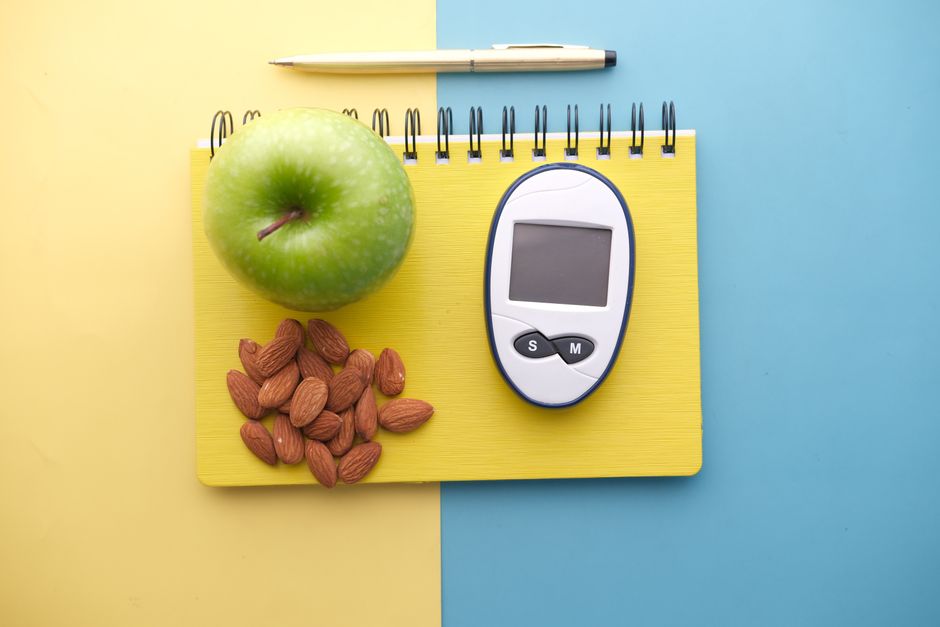
Plain water is the best choice for people with diabetes. It has no carbohydrates, no calories, and no sugar, so it does not raise blood sugar at all. When blood sugar runs high, the body pulls water from your cells to flush out the extra glucose through urine, which is why staying hydrated matters so much. Water helps replace what is lost and supports your kidneys as they do that work.
That is the short answer. The longer answer involves understanding why high blood sugar makes you thirsty, why dehydration can push glucose even higher, and what other drinks actually do to your numbers.
Why Does High Blood Sugar Make You Thirsty?
When glucose builds up in your bloodstream, your kidneys try to remove the excess by filtering it into urine. Glucose pulls water along with it through a process called osmotic diuresis. That means you urinate more, and you lose fluid. The result is thirst.
This is not a side effect you can ignore. It is a signal that your body is losing water faster than usual. Drinking plain water replaces that loss. It does not fix the high blood sugar itself, but it helps prevent the dehydration that makes the situation worse.
There is a loop here that matters. High blood sugar causes fluid loss. Fluid loss concentrates your blood. More concentrated blood means a higher measured glucose level. So dehydration can make your readings look worse than your actual glucose control. Drinking water does not lower blood sugar directly, but it helps keep your blood volume where it should be so your readings reflect reality.
Does Drinking Water Lower Blood Sugar?
Water does not lower blood sugar the way insulin or medication does. It has no direct effect on glucose molecules in your blood. What it does is support the conditions your body needs to manage glucose properly.
When you are well hydrated, your kidneys can filter and excrete excess glucose more efficiently. When you are dehydrated, that process slows down. Some research suggests that people who drink more water have somewhat lower fasting glucose levels, but the evidence is not strong enough to say water is a treatment for high blood sugar.
The honest position is this: water is essential for normal physiology, and dehydration makes glucose management harder. But drinking a glass of water will not bring a reading of 250 mg/dL down to 120 mg/dL. If your blood sugar is consistently high, that is a medical issue that needs clinical attention, not just more water.
What Counts as “Water” for Diabetes Management?
Plain water is the clear answer. Tap, bottled, sparkling, or mineral — all of these are fine. They have no carbohydrates and no calories. Sparkling water with no added sugar or sweeteners is just as good as still water.
What matters is what is added. Water with flavor drops, powders, or enhancers may contain sugar, artificial sweeteners, or other ingredients that affect your glucose or your overall health. Read the label.
Here is a comparison of common drinks and their carbohydrate content per 8-ounce serving:
| Drink | Carbs (approx.) | Effect on Blood Sugar |
|---|---|---|
| Plain water | 0 g | None |
| Sparkling water (unsweetened) | 0 g | None |
| Unsweetened tea | 0 g | None |
| Black coffee | 0 g | Minimal |
| Milk (2%) | ~12 g | Raises |
| Orange juice | ~26 g | Raises quickly |
| Regular soda | ~39 g | Raises quickly |
Values are approximate and vary by brand and preparation. The point is not the exact number. The point is that water stands alone as the drink that adds nothing you have to account for.




How Much Water Should a Person With Diabetes Drink?
There is no diabetes-specific water intake recommendation from major health organizations. The general guidance for adults is roughly 6 to 8 cups (about 1.5 to 2 liters) of fluid per day, but individual needs vary based on body size, activity, climate, and medications.
Some medications used in diabetes care affect fluid balance. SGLT2 inhibitors, for example, increase glucose excretion through urine, which also increases fluid loss. People taking these medications may need to pay closer attention to hydration. This is something to discuss with your doctor rather than guess at.
Thirst is a reasonable guide for most healthy adults. But in diabetes, thirst can be blunted or unreliable, especially in older adults. If you are unsure whether you are drinking enough, urine color is a practical check. Pale yellow suggests adequate hydration. Dark yellow or amber suggests you need more fluid.
Do not force large amounts of water beyond what you need. Drinking excessive water can dilute sodium in your blood, a condition called hyponatremia. This is rare in normal daily life but can happen if you drink far more than your kidneys can handle.
What About Other Drinks — Do They Help or Hurt?
Most other drinks either add carbohydrates or add ingredients that have unclear effects on glucose. Here is where the evidence stands:
- Unsweetened tea: No carbs, no effect on blood sugar. Some studies suggest green tea may have mild effects on glucose metabolism, but results are mixed and not strong enough to recommend tea as a treatment.
- Coffee: Black coffee has no carbs. Some research shows coffee can affect insulin sensitivity, but the effect varies between people. If you add sugar or flavored creamer, the carb count changes quickly.
- Milk: Contains lactose, a natural sugar. It will raise blood sugar. That does not make it off-limits, but it needs to be counted as part of your carbohydrate intake.
- Fruit juice: Even 100% juice without added sugar is high in natural sugars and low in fiber. It raises blood sugar quickly. Whole fruit is a better choice because fiber slows absorption.
- Diet soda and artificially sweetened drinks: These generally do not raise blood sugar. However, some research suggests they may affect gut bacteria or appetite in ways that are not fully understood. The evidence is mixed. Water remains the safer default.
- Sports drinks: Designed for endurance athletes, not for general hydration. Most contain sugar and electrolytes you probably do not need unless you are exercising intensely for a long time.
- Alcohol: Beer and sweet cocktails contain carbohydrates. Alcohol can also affect blood sugar in unpredictable ways, sometimes lowering it hours after drinking. This is a conversation to have with your doctor if you drink.
Can Dehydration Raise Blood Sugar?
Yes, and this is one of the more important things to understand. When you are dehydrated, the concentration of glucose in your blood increases because there is less water to dilute it. This does not mean dehydration creates glucose. It means the same amount of glucose is sitting in a smaller volume of fluid.
Dehydration also makes it harder for your kidneys to filter glucose efficiently. And it can raise levels of stress hormones like cortisol, which can push blood sugar higher. So there is a real relationship between hydration and glucose readings, even though water is not a glucose-lowering agent.
For people with diabetes, this matters most during illness, hot weather, and physical activity — times when fluid loss increases. During these periods, paying attention to water intake is not optional. It is part of managing your condition.
When Water Alone Is Not Enough
If you are drinking plenty of water and still constantly thirsty, that is a sign your blood sugar may be running high. Persistent thirst and frequent urination are classic symptoms of hyperglycemia. They are not solved by drinking more water. They are solved by addressing the underlying glucose level.
Very high blood sugar can lead to a serious condition called diabetic ketoacidosis (DKA) in people with type 1 diabetes, or hyperosmolar hyperglycemic state (HHS) in people with type 2 diabetes. Both are medical emergencies. Symptoms include extreme thirst, confusion, nausea, and rapid breathing. Water is not a treatment for these conditions. Emergency care is.
Water is a tool, not a therapy. It supports your body’s normal functions. It does not replace medication, insulin, dietary management, or regular monitoring. If your blood sugar is consistently out of range, the answer is not more water. The answer is a conversation with your healthcare provider.
Frequently Asked Questions
What is the best water for diabetics?
Plain water — tap, bottled, sparkling, or mineral — is the best choice because it has no carbohydrates or calories and does not raise blood sugar. Unsweetened sparkling water is just as good as still water.
Does drinking water lower blood sugar immediately?
No, water does not directly lower blood sugar. It helps your kidneys flush excess glucose more efficiently and prevents dehydration, which can concentrate your blood and make readings look higher.
How much water should a diabetic drink daily?
There is no diabetes-specific recommendation, but general guidance for adults is about 6 to 8 cups (1.5 to 2 liters) of fluid per day. Needs vary by body size, activity, climate, and medications.
Can dehydration cause high blood sugar readings?
Yes, dehydration concentrates the glucose already in your blood, which can make readings appear higher. It can also raise stress hormones that push glucose up further.
