
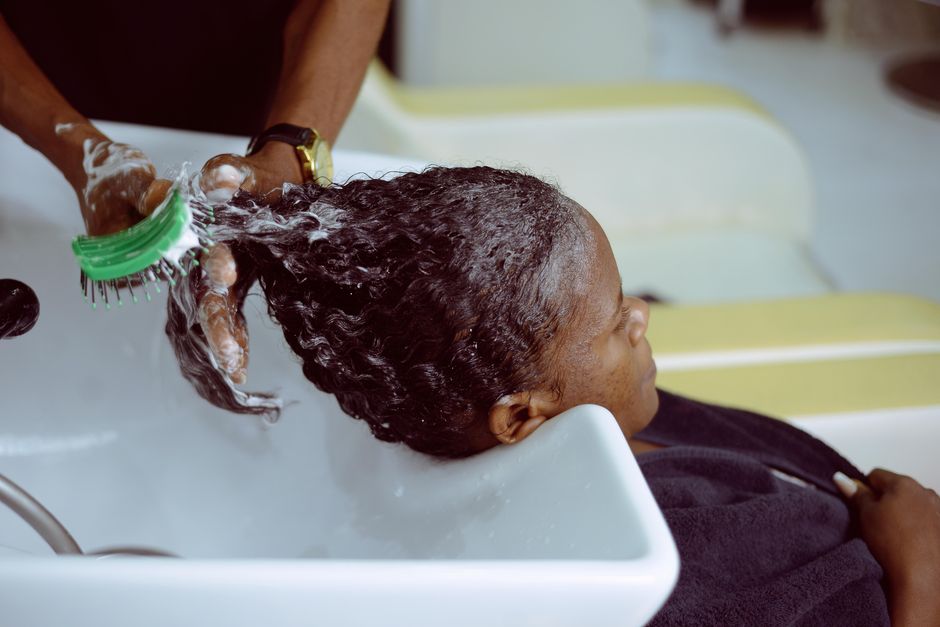
People have been changing their hair color for thousands of years. The first hair dyes were not made in a lab. They were made from plants, minerals, and metals found in nature. The earliest recorded hair dye dates back to ancient Egypt, where people used henna and other natural ingredients to cover gray hair and create bold colors. These early mixtures were simple, but they worked well enough to become a global practice that continues today.
What Was The First Hair Dye Made Out Of
The very first hair dyes were made from henna, a plant-based dye derived from the leaves of the Lawsonia inermis shrub. Ancient Egyptians used henna as early as 1500 BCE to color their hair and nails. They also mixed it with other natural ingredients like indigo to create darker shades. Henna is still widely used today because it is plant-based and does not contain the harsh chemicals found in modern dyes.
Other early dyes came from minerals and metals. Lead sulfide was used in ancient Greece and Rome to darken hair. The process involved applying a paste of lead oxide and slaked lime to the hair. Over time, the lead reacted with sulfur in the hair to form lead sulfide, which produced a dark color. This method was effective but dangerous. Lead is toxic, and prolonged use could cause serious health problems.
Ancient peoples also used natural rinses made from walnuts, berries, and even leeches. Walnut shells were boiled to create a brown dye. Berries like elderberries produced purple and red tones. These plant-based dyes were gentler than metal-based options, but their color did not last long and often washed out after a few shampoos.
How Did Ancient Hair Dyes Work?
Ancient hair dyes worked through two basic mechanisms: staining and chemical reaction. Plant-based dyes like henna stained the outer layer of the hair shaft. The color molecules in henna bind to the protein in hair, creating a semi-permanent color that fades gradually over several weeks. This is why henna is still popular today for people who want a natural, temporary color change.
Metal-based dyes worked differently. They relied on a chemical reaction between the metal compound and the sulfur in the hair. The reaction formed a dark pigment that was deposited inside the hair shaft. This produced a more permanent color than plant dyes, but it came with risks. Repeated use of lead-based dyes could lead to lead poisoning, which damages the nervous system and other organs.
Neither method was perfect. Plant dyes were safe but temporary. Metal dyes lasted longer but were toxic. The search for a safe, permanent hair dye continued for centuries.
When Did Modern Hair Dye Appear?
The first synthetic hair dye was created in 1863 by an English chemist named William Henry Perkin. Perkin was trying to create a treatment for malaria when he accidentally produced a purple substance called mauveine. This discovery led to the development of synthetic dyes, including the first commercial hair dye based on para-phenylenediamine, or PPD.
PPD is still used in most permanent hair dyes today. It is a colorless chemical that reacts with oxygen when applied to hair. The reaction produces a colored pigment that penetrates the hair shaft and cannot be washed out. PPD dyes are effective and long-lasting, but they can cause allergic reactions in some people. The FDA requires PPD to be listed on product labels so consumers know what they are using.
By the early 1900s, hair dye became widely available to the public. Products like “French Rinse” and “Aureole” were sold in drugstores and salons. The market grew quickly, and by the 1950s, hair dye was a common beauty product in American households.
Are Ancient Hair Dyes Safe Today?
Henna is still considered safe for most people. It is a natural plant dye and does not contain the harsh chemicals found in synthetic products. However, not all products labeled “henna” are pure. Some commercial henna products contain added metal salts or PPD to create darker or longer-lasting colors. These additives can cause allergic reactions or skin damage. If you buy henna, check the ingredient list carefully.
Metal-based dyes are not safe. Lead-based hair dyes have been banned in the United States and many other countries. The FDA prohibited lead acetate in hair dyes in 2018 after research confirmed its toxicity. Even small amounts of lead can accumulate in the body over time, causing serious health issues.
If you are considering a natural hair dye, henna is the safest option. But it is not for everyone. Henna produces a reddish-orange color that is difficult to remove. It also cannot lighten hair. If you want to go lighter, you will need a chemical dye or a professional salon treatment.
What Ingredients Do Modern Hair Dyes Use?
Modern hair dyes fall into three main categories: temporary, semi-permanent, and permanent. Each type uses different ingredients and works differently.
Temporary dyes coat the outside of the hair shaft with color molecules that wash out after one or two shampoos. They are the gentlest option and are often used for special occasions or to test a new color. Semi-permanent dyes penetrate the outer layer of the hair slightly and last for about six to twelve washes. They do not contain ammonia or peroxide, so they are less damaging than permanent dyes.
Permanent dyes are the most common and the most effective. They contain two main ingredients: ammonia and hydrogen peroxide. Ammonia opens the hair cuticle so the dye can penetrate. Hydrogen peroxide removes the natural color from the hair, allowing the new color to take its place. The dye then reacts with oxygen to form a permanent pigment inside the hair shaft.
PPD is the most widely used dye molecule in permanent hair color. It is effective and produces natural-looking results. However, it is also one of the most common causes of allergic reactions to hair dye. Symptoms can include itching, redness, and swelling of the scalp. In rare cases, PPD can cause severe allergic reactions that require medical attention.
If you have sensitive skin or a history of allergic reactions, do a patch test before using any permanent hair dye. Apply a small amount of the product to your inner arm and wait 48 hours to see if a reaction occurs. This is the only reliable way to know if you are allergic to the product.
How Has Hair Dye Evolved Over Time?
Hair dye has come a long way since the days of henna and lead paste. Today, you can choose from a wide range of products that are safer and more effective than anything available in the past. Ammonia-free dyes use alternative alkalizing agents like monoethanolamine, which are less harsh on the hair. Some products now include conditioning agents that help repair damage caused by the dyeing process.
Natural and organic hair dyes are also becoming more popular. These products use plant-based ingredients like henna, indigo, and cassia instead of synthetic chemicals. They are gentler on the hair and scalp, but they are also less predictable. Natural dyes cannot lighten hair, and the final color depends on your natural hair color and condition.
The future of hair dye may include even safer options. Researchers are studying ways to create hair color using enzymes and proteins that mimic the natural pigment melanin. These approaches could provide permanent color without the harsh chemicals used today. However, these products are still in development and are not yet available to consumers.
Frequently Asked Questions
Is henna safe to use as a hair dye?
Pure henna is generally safe for most people. However, some commercial henna products contain added chemicals like PPD or metal salts, which can cause allergic reactions.
Can I use ancient hair dye recipes at home?
Plant-based recipes using henna or walnut shells are safe to try at home. Avoid any recipe that uses lead or other metals, as these are toxic and banned in many countries.
How long does henna last in hair?
Henna typically lasts four to six weeks before it begins to fade. The color gradually washes out with each shampoo, and the exact duration depends on your hair type and how often you wash it.
What is the safest type of hair dye?
Temporary and semi-permanent dyes are generally the safest because they do not contain ammonia or peroxide. If you want a permanent color, choose a product that is PPD-free and always do a patch test first.
