
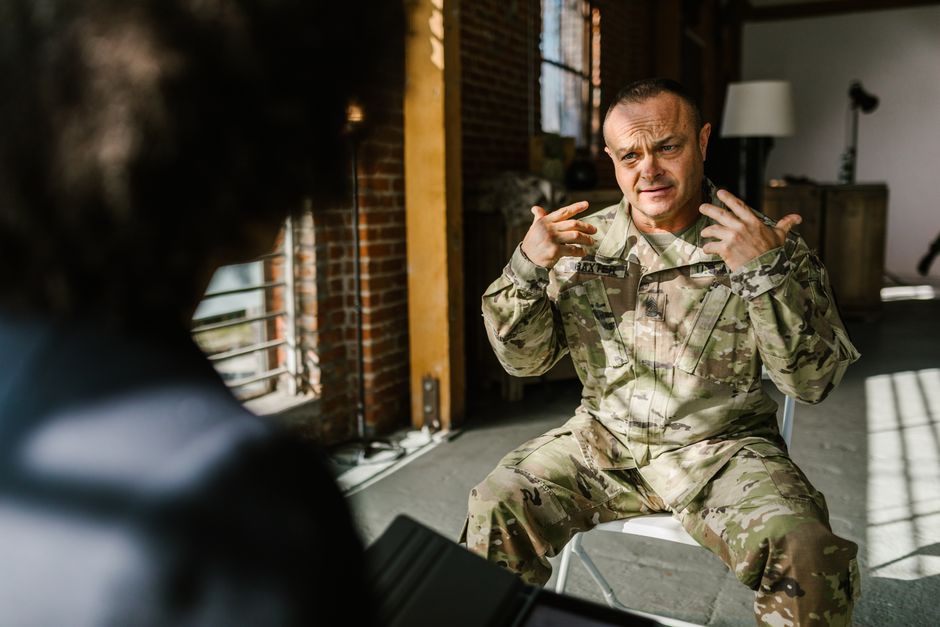
During World War II, the condition we now call PTSD was most commonly known as combat fatigue or battle exhaustion. The military also used terms like “operational fatigue” and “war neurosis.” These names reflected a belief that the problem was temporary exhaustion from the stress of battle, not a lasting psychological injury. Today we understand it as a real, diagnosable mental health condition that can persist for years after trauma.
What Was Ptsd Called In Ww2 Combat Fatigue And More
The short answer is that “combat fatigue” was the official term used by the U.S. military during World War II. Medical officers also used “battle exhaustion” and “acute combat reaction.” The term “shell shock” from World War I was still in use but had fallen out of favor because doctors realized the symptoms were not caused by physical damage from exploding shells.
Combat fatigue was a broad label. It covered everything from brief panic during battle to severe, long-lasting psychological breakdowns. The military preferred these terms because they sounded temporary. A soldier with “fatigue” could be treated and returned to duty. A soldier with a “mental illness” might be discharged or sent to a psychiatric hospital.
Why Did The Military Use The Term Combat Fatigue
The military had practical reasons for choosing this language. They believed that labeling a soldier with a psychiatric condition would make the condition worse. The thinking was that if a man believed he was mentally ill, he would act like it. Calling it “fatigue” suggested rest would fix the problem.
This approach was called the “forward psychiatry” model. Soldiers showing signs of breakdown were treated close to the front lines. They received food, sleep, and a few days of rest. Many were sent back to their units. This strategy worked for some soldiers, but it also meant that men with serious, lasting trauma were often returned to combat before they had recovered.
The term also carried stigma. Military culture in the 1940s valued toughness. Admitting to psychological distress was seen as weakness. Calling it combat fatigue made it easier for soldiers to seek help without feeling like they were admitting to cowardice.
How Did Combat Fatigue Differ From Shell Shock
Shell shock was the term from World War I. It was first used in 1915 by British medical officer Charles Myers. He used it to describe soldiers who showed symptoms like tremors, paralysis, and mutism after being near exploding shells. At first, doctors believed these symptoms came from physical damage to the brain caused by the blast pressure.
By World War II, doctors had largely rejected that theory. They recognized that soldiers who had never been near an explosion could show the same symptoms. This led to the shift in language from “shell shock” to “combat fatigue” and “battle exhaustion.” The new terms reflected the belief that the cause was psychological stress rather than physical injury.
The symptoms themselves were similar to what we now call PTSD. Soldiers experienced nightmares, flashbacks, hypervigilance, and emotional numbness. Some developed physical symptoms like shaking, blindness, or inability to speak. These physical symptoms had no identifiable medical cause, which confused military doctors at the time.
-
 Garlic Benefits for Men: What the Science Actually Shows.
 -
Natural Remedies for Constipation: 10 Science-Backed Options
-
How to Loosen a Bowel Blockage at Home. Easy Tips To Follow
-
Can Intermittent Fasting Cause Constipation? Benefits, Pros & Cons
-
Pulmo Balance Reviews 2026: Legit Lung Support Or Not?





What Did Military Doctors Actually Do For Combat Fatigue
Treatment during World War II was basic by modern standards. The main approach was rest, food, and removal from combat. Soldiers were sent to division-level rest areas or field hospitals. They were encouraged to talk about their experiences, but formal psychotherapy was rare.
Sedatives were sometimes used. Barbiturates like sodium amytal were given to help soldiers sleep or to relax them enough to talk about their trauma. This technique was called “narcosynthesis.” Some doctors reported success with it, but the evidence was mostly anecdotal. No controlled studies from that era proved it worked better than simple rest.
Many soldiers were given a few days of treatment and returned to their units. Statistics from the era suggest that a significant number returned to duty, but reliable long-term outcome data is limited. Some soldiers improved. Others broke down again and were evacuated to hospitals in the United Kingdom or the United States.
When Did Combat Fatigue Become PTSD
The term PTSD did not exist until 1980. That year, the American Psychiatric Association added post-traumatic stress disorder to the third edition of the Diagnostic and Statistical Manual of Mental Disorders, known as DSM-III.
Between World War II and 1980, several other terms were used. During the Korean War, the military used “gross stress reaction.” During the Vietnam War, veterans and clinicians used “post-Vietnam syndrome.” The push to recognize PTSD as a formal diagnosis came largely from Vietnam veterans and the anti-war movement, along with research on Holocaust survivors and rape victims.
The inclusion of PTSD in DSM-III was a turning point. It established that the condition could affect civilians as well as soldiers. It also recognized that symptoms could appear months or years after the trauma, which earlier labels like combat fatigue did not capture.
What We Know Now About Combat Trauma
Modern research has confirmed that combat stress can cause lasting psychological damage. PTSD is now a well-documented condition with clear diagnostic criteria. It is not a sign of weakness or a character flaw. It is a physiological and psychological response to overwhelming stress.
The current understanding is that PTSD involves changes in the brain’s stress response systems. The amygdala, which processes fear, becomes overactive. The prefrontal cortex, which helps regulate emotion, becomes less active. The hippocampus, which processes memory, can shrink. These are measurable biological changes, not just psychological ones.
Treatment has also advanced significantly. Evidence-based therapies like cognitive processing therapy and prolonged exposure therapy have strong research support. These are structured talk therapies that help people process traumatic memories in a safe setting. Medications like sertraline and paroxetine, both SSRIs, are approved by the FDA for PTSD treatment.
Why Accurate Labels Matter
The history of combat fatigue matters because it shows how language shapes care. When the military called the condition “fatigue,” it implied the solution was rest. When doctors call it PTSD, it signals a real medical condition that requires proper treatment.
Labels also affect how patients see themselves. A soldier in 1944 who was told he had “combat fatigue” might have believed he just needed to toughen up. A veteran today who is told they have PTSD is more likely to seek professional help because PTSD is recognized as a legitimate diagnosis.
The shift in terminology also changed research. Once PTSD became a formal diagnosis, researchers could study it systematically. This led to the development of effective treatments and a better understanding of risk factors. None of that was possible when the condition was buried under vague labels like combat fatigue.
Frequently Asked Questions
Was combat fatigue the same as PTSD?
Combat fatigue was the World War II term for what we now call PTSD, but the two are not identical. Combat fatigue was a broad label that included both brief stress reactions and lasting trauma, while PTSD is a specific diagnosis with defined criteria.
What did the military call PTSD in WWII?
The official terms were combat fatigue, battle exhaustion, and operational fatigue. War neurosis was also used by medical officers.
Did soldiers with combat fatigue return to battle?
Many did. The military used a forward treatment model that aimed to return soldiers to duty quickly, often after just a few days of rest and food. Some improved, while others broke down again and were evacuated.
When was the term PTSD first used?
PTSD became an official diagnosis in 1980 when it was added to the DSM-III. Before that, the condition had many names including shell shock, combat fatigue, and gross stress reaction.
