
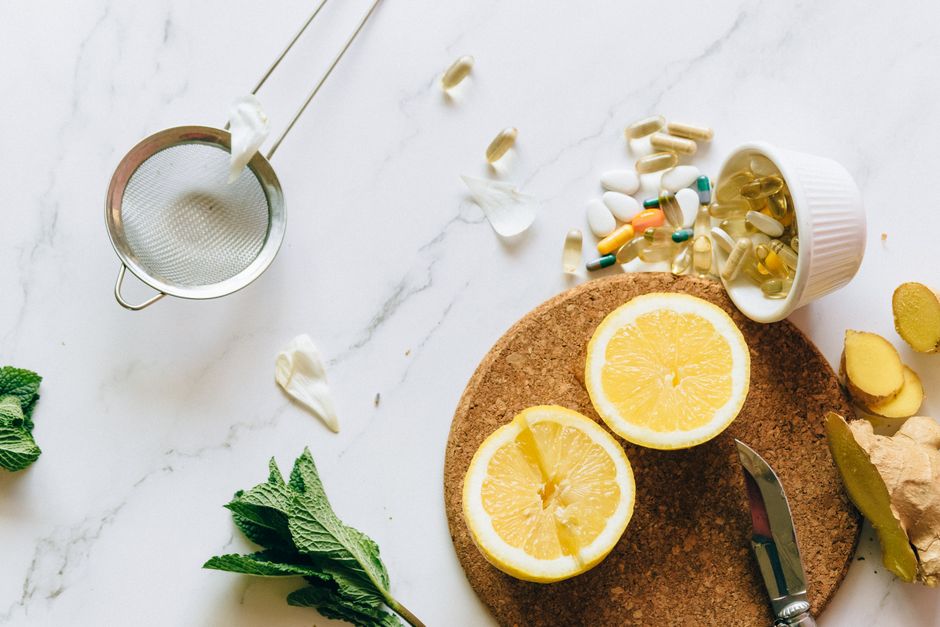
Some vitamins need food to be absorbed well, and others can upset your stomach if you take them on an empty one. The fat-soluble vitamins — A, D, E, and K — must be taken with a meal that contains some fat. Certain B vitamins, especially B12, also absorb better with food. Vitamin C is fine on an empty stomach but can cause nausea in some people, so taking it with food is often easier on the gut. The general rule is simple: if a vitamin causes stomach upset or is fat-soluble, take it with a meal.
Why Do Some Vitamins Need Food?
The reason comes down to how your body processes different nutrients. Vitamins fall into two main categories: fat-soluble and water-soluble. This difference determines whether food helps or hinders absorption.
Fat-soluble vitamins dissolve in fat, not water. Your intestines need dietary fat to package these vitamins into structures called micelles, which then cross the intestinal wall into your bloodstream. Without fat in your digestive tract, much of the vitamin passes through unused. This is not a small effect — absorption can drop dramatically when these vitamins are taken on an empty stomach.
Water-soluble vitamins dissolve in water. They generally absorb fine without food. But some of them, particularly vitamin C and certain B vitamins, can irritate the stomach lining. Taking them with food slows their release and reduces that irritation.
Which Vitamins Are Fat-Soluble?
Four vitamins are fat-soluble: A, D, E, and K. Each one needs dietary fat for proper absorption.
Vitamin A supports vision, immune function, and skin health. It comes in two forms: preformed vitamin A from animal sources and beta-carotene from plant foods. Both need fat for absorption.
Vitamin D regulates calcium absorption and bone health. It is unique because your skin produces it from sunlight, but dietary sources matter when sun exposure is limited. Vitamin D is stored in fat tissue, and taking it with a meal significantly improves uptake.
Vitamin E acts as an antioxidant, protecting cell membranes from damage. It is common in nuts, seeds, and vegetable oils. Like other fat-soluble vitamins, it needs fat to be absorbed.
Vitamin K is essential for blood clotting and bone metabolism. Green leafy vegetables are rich sources. Your gut bacteria also produce some vitamin K, but dietary intake still matters.
Research consistently shows that taking these vitamins with a meal containing fat improves absorption compared to taking them fasting. One study found that vitamin D absorption increased by about 32% when taken with the largest meal of the day. The fat does not need to be heavy — a meal with eggs, avocado, nuts, olive oil, or full-fat dairy provides enough.
What About B Vitamins?
The B vitamin family is water-soluble, but food still matters for several of them.
Vitamin B12 is the most important example. Your stomach produces acid that releases B12 from food proteins. Then a protein called intrinsic factor, also made in the stomach, helps absorb it in the small intestine. Taking B12 with food supports this natural process. For older adults, stomach acid production often declines, which can reduce B12 absorption from food. Many doctors recommend B12 supplements for people over 50 for this reason.
Vitamin B6 and folate (B9) are also gentler on the stomach when taken with food. Some people experience nausea from B-complex supplements, especially on an empty stomach. Taking them with a meal prevents this.
Biotin (B7) and niacin (B3) absorb well either way. Niacin can cause a flushing sensation — warmth and redness in the face and neck — which is less noticeable when taken with food.




What Vitamins Should Not Be Taken With Food?
Very few vitamins need to be taken on an empty stomach. The main exception is iron, which is technically a mineral, not a vitamin. Iron absorbs best on an empty stomach, but it commonly causes nausea and constipation. Many clinicians recommend taking iron with food to reduce side effects, even though food — especially dairy, coffee, and tea — reduces absorption.
Vitamin C actually improves iron absorption. Taking them together, with or without food, is a common clinical recommendation for people with low iron levels.
Some people wonder about multivitamins. A standard multivitamin contains both fat-soluble and water-soluble vitamins. Taking it with a meal is the safest approach because the fat-soluble components need food, and the meal buffers any stomach irritation from the other ingredients.
How Much Fat Do You Need?
You do not need a high-fat meal. Research indicates that roughly 10 to 15 grams of fat is enough to support fat-soluble vitamin absorption. That is about one tablespoon of olive oil, one egg with yolk, a small handful of nuts, or a glass of whole milk.
The timing matters more than the amount. Taking your vitamins in the middle of a meal, rather than right before or after, ensures they mix with the food and fat in your digestive tract. A common practical approach is to take vitamins with breakfast if that meal includes eggs, yogurt, or nut butter. Or take them with dinner, which tends to be the largest meal of the day for many people.
One non-obvious point: fat-soluble vitamins are stored in your body, so you do not need them every single day. Missing a day here and there is not a problem. Your body draws on its stores. Water-soluble vitamins, by contrast, are mostly excreted within hours to days, so regular intake matters more for those.
Does Timing Matter for Specific Conditions?
Certain health conditions change how your body handles vitamins. If you have Crohn’s disease, celiac disease, or have had gastric bypass surgery, fat absorption can be impaired. This means even taking fat-soluble vitamins with food may not be enough. Some clinicians recommend specialized forms of these vitamins that dissolve in water, though the evidence for their superiority is mixed.
People taking medications that reduce stomach acid — like proton pump inhibitors for acid reflux — may absorb vitamin B12 less effectively from food. A supplement form of B12 may bypass this problem, but you should discuss this with your doctor.
For people with gallbladder issues, fat digestion can be compromised because bile, which helps break down fat, is stored in the gallbladder. If you have had your gallbladder removed, you may absorb fat-soluble vitamins less efficiently. Taking them with smaller, more frequent meals that contain modest fat is a common clinical suggestion.
What Vitamins Need To Be Taken With Food?
The short answer: vitamins A, D, E, and K need food with fat. Vitamin B12, vitamin C, and most B-complex vitamins are better tolerated with food even though they do not strictly require it for absorption.
The practical rule for a multivitamin or individual supplements is to take them with a meal. This covers the fat-soluble vitamins’ absorption needs and prevents stomach upset from the others. If you take individual supplements, check whether they are fat-soluble or water-soluble and plan accordingly.
One clarification worth making: taking a fat-soluble vitamin with a fat-free meal is barely better than taking it on an empty stomach. A piece of fruit or a plain salad does not provide enough fat. You need some actual fat in that meal for absorption to improve meaningfully.
Frequently Asked Questions
Can I take vitamins on an empty stomach?
Water-soluble vitamins like vitamin C and most B vitamins are generally fine on an empty stomach, though some people feel nauseated. Fat-soluble vitamins A, D, E, and K should always be taken with food containing fat.
What happens if I take vitamin D without food?
Absorption drops significantly because vitamin D needs dietary fat to be taken up by your intestines. Taking it with a meal improves absorption by roughly a third compared to taking it fasting.
Is it better to take vitamins in the morning or at night?
Time of day matters less than taking them with a meal that contains some fat. Many people prefer morning because B vitamins can feel energizing, but the evidence for this effect is limited. Consistency matters more than timing.
Can I take all my vitamins together in one meal?
Yes, taking all vitamins together with a meal is safe and practical. If your meal includes some fat, you have covered the absorption needs of the fat-soluble vitamins and reduced stomach irritation from the others.
