
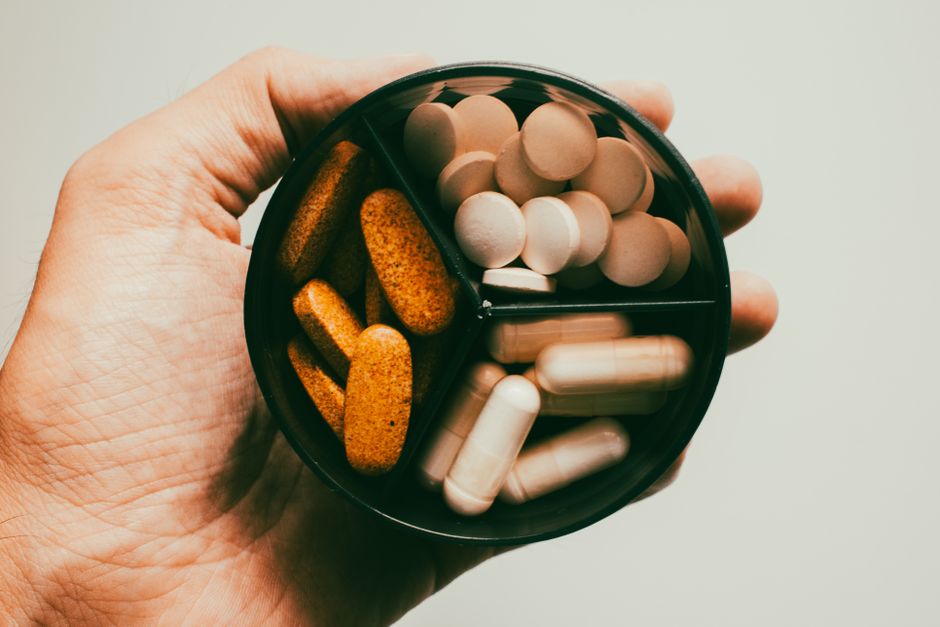
Vitamin D is the vitamin with the clearest link to testosterone levels. Men with low vitamin D tend to have lower testosterone, and some studies show modest increases when a deficiency is corrected. Beyond vitamin D, the evidence gets thinner fast. Zinc matters mainly if you are deficient. Most other vitamins sold as “testosterone boosters” have little or no human data behind them.
That gap between what the evidence shows and what supplement labels claim is where most people get misled. This article separates the vitamins with real research behind them from the ones riding on marketing.
What Vitamins Help With Testosterone Levels?
Only two vitamins have meaningful human research connecting them to testosterone: vitamin D and zinc, which is a mineral rather than a vitamin but is usually grouped with them on supplement labels. Vitamin D has the strongest and most consistent evidence. Zinc appears to matter mainly when intake is low or deficiency exists.
Here is the important distinction. Correcting a deficiency is not the same as boosting testosterone above normal. In men whose levels are already adequate, adding more of these nutrients generally does not push testosterone higher. The research consistently points to restoration, not enhancement.
Vitamin D works partly through vitamin D receptors found in the testes and in the brain regions that regulate hormone signaling. That gives a plausible mechanism for why deficiency could lower testosterone. But a plausible mechanism is not proof of benefit, and the trials testing whether supplementation raises testosterone in men with normal levels have mostly been disappointing.
Zinc is involved in how the body produces and uses testosterone, and severe zinc deficiency is known to suppress it. Again, the effect is clearest at the deficiency end of the spectrum.
How Strong Is the Evidence for Vitamin D and Testosterone?
The evidence is real but modest, and it depends heavily on who is being studied. Observational studies — which track people over time without intervening — fairly consistently find that men with lower vitamin D also have lower testosterone. That relationship holds across multiple large populations.
The trial evidence is more mixed. Some randomized controlled trials in men who were deficient found that vitamin D supplementation raised testosterone, sometimes by a meaningful margin. Other trials, especially those in men with adequate vitamin D at the start, found little or no change.
That pattern is the key. The benefit seems concentrated in people who start out deficient. If your vitamin D is already in a healthy range, taking more is unlikely to move your testosterone.
One clarification worth making: the size of the effect in positive trials has often been modest, not dramatic. Anyone expecting a large jump from a vitamin D capsule alone should adjust expectations. Vitamin D is not a treatment for low testosterone in the way medication is.
Does Zinc Really Affect Testosterone?
Zinc affects testosterone mainly when intake is inadequate. Severe zinc deficiency is well documented to suppress testosterone, and correcting it restores levels. In people who already get enough zinc, extra supplementation has not been shown to raise testosterone further.
Zinc is involved in the function of the testes and in the enzyme systems that support hormone production. It is also lost through sweat, which is why some athletes and people who train heavily pay attention to intake. But “more zinc equals more testosterone” is a simplification that the research does not support.
There is also a real risk in overdoing it. High-dose zinc supplementation over time can interfere with copper absorption and cause copper deficiency. That is a documented concern, not a theoretical one. Zinc is not a nutrient where more is safely better.
Food sources are the safest route for most people. Oysters, beef, poultry, beans, and fortified cereals are common sources. Most people eating a varied diet get enough.
What About Other Vitamins and Minerals Marketed for Testosterone?
Most other vitamins sold in testosterone supplements have little to no human evidence supporting a testosterone effect. That does not mean they are useless for other reasons. It means the specific claim that they raise testosterone is largely unproven.
Here is an honest breakdown of the common ones:
- Vitamin B6 and B12 — needed for normal body function, but no strong human evidence that supplementing raises testosterone in people who are not deficient.
- Magnesium — some small studies suggest a possible link to free testosterone, but the evidence is limited and not consistent. It is a mineral, not a vitamin.
- Vitamin C and vitamin E — antioxidants with general health roles, but no reliable evidence of a testosterone effect in humans.
- Ashwagandha — an herb, not a vitamin. Some small trials suggest possible effects, but the studies are short and the evidence is not strong enough to call it established.
- Fenugreek, tribulus, and similar botanicals — marketed heavily, but human trial results have been inconsistent or negative.
Notice how many of these are not vitamins at all. Supplement marketing tends to blur the line between vitamins, minerals, and herbs to make a product sound more complete than it is.
Can You Get These Vitamins From Food Instead?
Food is the most reliable way to get adequate vitamin D and zinc for most people. It also avoids the risk of over-supplementing, which is a real concern with zinc in particular.
For vitamin D, fatty fish like salmon and tuna, egg yolks, and fortified foods are the main dietary sources. Sunlight exposure lets the skin make vitamin D, though how much depends on skin tone, location, season, and how much skin is exposed. Many people, especially those in northern latitudes or who spend little time outdoors, do not make enough from sun alone.
For zinc, oysters are among the richest sources, followed by beef, poultry, beans, nuts, and fortified cereals. A varied diet generally covers zinc needs without supplements.
The practical takeaway is that if you suspect a deficiency, testing is more useful than guessing. A blood test for vitamin D is widely available and gives you a concrete number to act on. Guessing at a deficiency and supplementing blindly is less reliable.
What Actually Affects Testosterone More Than Vitamins?
Sleep, body weight, physical activity, and stress have stronger and better-documented effects on testosterone than any vitamin supplement. This is where the real leverage is, and it is often overlooked in favor of a pill.
Testosterone production follows a daily rhythm tied to sleep, and chronic sleep restriction is associated with lower testosterone in multiple studies. Carrying excess body fat, particularly around the abdomen, is linked to lower testosterone, and weight loss tends to improve it. Regular resistance exercise and managing chronic stress also support normal hormone function.
None of this is dramatic or marketable, which is exactly why it gets less attention than supplements. But the evidence for these lifestyle factors is stronger than the evidence for most vitamins marketed as testosterone boosters.
If you have persistent symptoms of low testosterone — such as low sex drive, fatigue, or loss of muscle mass — a vitamin is not the right first step. Those symptoms have many possible causes, and low testosterone is a medical diagnosis that requires a blood test and a clinician’s evaluation. Some causes of low testosterone need medical treatment, and no supplement substitutes for that.
Should You Take a Vitamin for Testosterone?
If you have a confirmed vitamin D deficiency, correcting it is reasonable and may support normal testosterone. That is a conversation to have with a clinician who can look at your actual blood levels. If your levels are normal, there is little evidence that adding more will help.
For zinc, the same logic applies. Adequate intake matters. Extra beyond that has not been shown to raise testosterone and carries a real risk of copper imbalance if overdone.
Be skeptical of any product that promises to “boost testosterone” with a blend of vitamins. The evidence for most of those ingredients is weak, and the marketing usually outruns the science. A supplement that lists ten ingredients for testosterone often has strong evidence for none of them at a testosterone-raising dose.
The most honest position is this: vitamins can help correct deficiencies that affect hormone function, but they are not a reliable way to raise testosterone in a person whose levels are already normal. Testing beats guessing, and lifestyle factors matter more than most pills.
Frequently Asked Questions
Which vitamin is most linked to testosterone levels?
Vitamin D has the strongest and most consistent research link to testosterone. The benefit appears mainly in people who are deficient, not in those with normal levels.
Does zinc raise testosterone in men with normal levels?
No strong evidence shows that extra zinc raises testosterone in people who already get enough. Zinc mainly matters when intake is low or deficiency exists.
Can I raise testosterone by taking a multivitamin?
A multivitamin can correct deficiencies, but it is not shown to raise testosterone in people with normal levels. Sleep, body weight, and activity have stronger effects.
Should I get tested before taking vitamins for testosterone?
Yes, testing is more reliable than guessing at a deficiency. A blood test gives you a concrete number, and a clinician can interpret it in context.
