
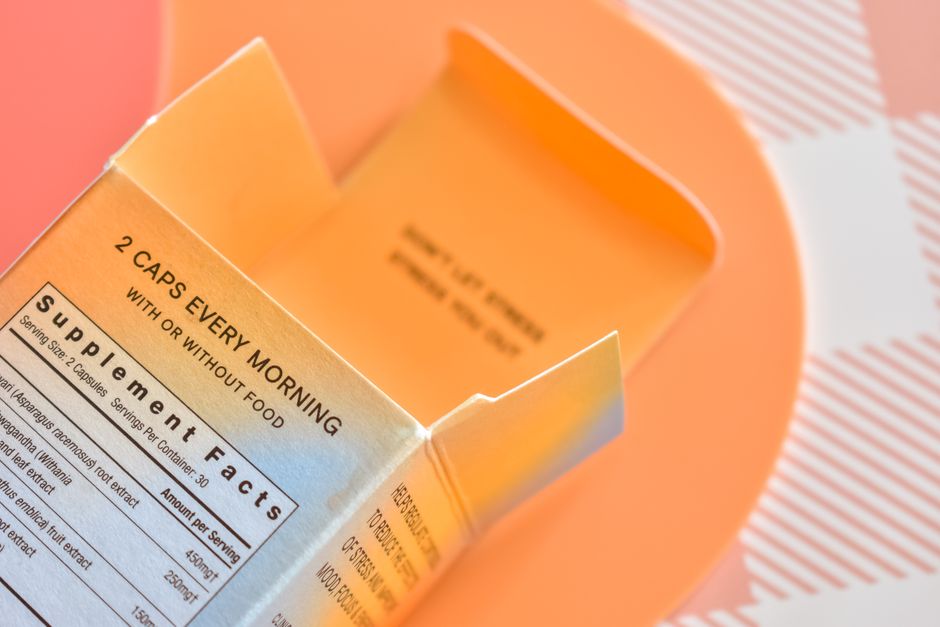
Vitamin B is not one nutrient. It is a group of eight water-soluble vitamins that work together to help your body turn food into usable energy, build and repair DNA, and keep your nervous system and blood cells functioning. Each B vitamin has its own job, but they overlap in ways that make the group greater than any single one. Because your body cannot store most of them in large amounts, you need a steady supply from food or supplements.
What Vitamin B Does in Your Body
The B vitamins are thiamine (B1), riboflavin (B2), niacin (B3), pantothenic acid (B5), pyridoxine (B6), biotin (B7), folate (B9), and cobalamin (B12). Together they act as coenzymes — helper molecules that allow hundreds of chemical reactions to run.
The most familiar role is energy metabolism. B1, B2, B3, B5, and B6 help convert carbohydrates, fats, and protein into ATP, the fuel your cells run on. This is where the marketing phrase “energy vitamins” comes from. It is worth being precise here: B vitamins do not give you energy the way caffeine does. They help your body extract energy from food. If you already have enough, taking more does not produce a bigger effect.
Beyond energy, B vitamins do several other jobs:
- Folate and B12 are required for red blood cell formation and for copying DNA accurately during cell division.
- B6 helps make neurotransmitters such as serotonin and dopamine, and helps release glucose from stored glycogen.
- Biotin is involved in fat, carbohydrate, and protein metabolism.
- B12 is needed to maintain the myelin sheath that insulates nerve fibers.
One clarification that surprises many people: the B vitamins are chemically unrelated to each other. They are grouped by historical accident, named in the order they were discovered, and several numbers once assigned to B vitamins were later dropped when researchers realized they were not vitamins at all.
What Are the Symptoms of Vitamin B Deficiency?
Symptoms depend on which B vitamin is low, but fatigue, tingling in the hands and feet, mouth sores, and anemia are common threads.
B12 deficiency is the most consequential and the most often missed. It can cause numbness or tingling, balance problems, memory difficulty, and a particular kind of anemia in which red blood cells become unusually large. Nerve damage from B12 deficiency can become permanent if it goes untreated for a long time, which is why it is treated as a medical issue rather than a lifestyle tweak.
Folate deficiency also causes large-cell anemia, along with fatigue, irritability, and mouth sores. Because folate and B12 deficiencies look similar on a blood count, clinicians usually test both together. Giving folate alone to someone who is actually B12 deficient can correct the anemia while the nerve damage quietly continues.
Other deficiencies show up in distinct ways. B1 deficiency causes beriberi, which affects the heart and nerves. B3 deficiency causes pellagra, marked by dermatitis, diarrhea, and confusion. B2 deficiency can cause cracks at the corners of the mouth and a sore tongue. These conditions are rare in countries with fortified food supplies, but they still occur in people with severe alcohol use disorder, eating disorders, or malabsorption conditions.
Who Is at Risk for Low B Vitamins?
Most healthy adults eating a varied diet get enough B vitamins. Certain groups are at higher risk and may need testing or supplementation.
- Vegans and strict vegetarians. B12 occurs naturally almost exclusively in animal foods. Fortified foods and supplements are the practical sources for people who avoid all animal products.
- Adults over 50. Stomach acid production declines with age, and acid is needed to release B12 from food. The Institute of Medicine has long advised adults over 50 to get B12 from fortified foods or supplements rather than relying on food-bound B12 alone.
- People with digestive conditions. Celiac disease, Crohn’s disease, and weight-loss surgery can impair absorption.
- People taking certain medications. Long-term use of proton pump inhibitors or the diabetes drug metformin is associated with lower B12 levels.
- People with alcohol use disorder. Alcohol interferes with the absorption of several B vitamins, especially B1 and folate.
- Pregnant women. Folate needs rise substantially during pregnancy, and adequate intake before and during early pregnancy reduces the risk of neural tube defects.
Autoimmune pernicious anemia is another cause. In this condition, the body attacks the cells that make intrinsic factor, a protein required to absorb B12 in the small intestine. It requires lifelong treatment and cannot be fixed by diet alone.





Which Foods Have B Vitamins?
B vitamins are spread across a wide range of foods, which is why a varied diet usually covers them.
| B Vitamin | Common Food Sources |
|---|---|
| B1 (thiamine) | Whole grains, pork, legumes, fortified cereals |
| B2 (riboflavin) | Milk, eggs, lean meat, almonds, fortified cereals |
| B3 (niacin) | Poultry, fish, whole grains, peanuts |
| B5 (pantothenic acid) | Meat, avocado, whole grains, eggs |
| B6 (pyridoxine) | Poultry, fish, potatoes, chickpeas, bananas |
| B7 (biotin) | Eggs, nuts, seeds, salmon |
| B9 (folate) | Leafy greens, legumes, citrus, fortified grains |
| B12 (cobalamin) | Meat, fish, poultry, eggs, dairy, fortified foods |
Since 1998, the United States has required folic acid fortification of enriched grain products. This policy is credited with a substantial decline in neural tube defects nationally. It also means most Americans get more folate from processed grains than from vegetables.
Do B Vitamin Supplements Help If You Are Not Deficient?
For most people who are not deficient, B vitamin supplements do not produce noticeable benefits. The evidence is fairly consistent on this point.
The supplement industry often markets B vitamins for energy, mood, hair, and skin. Some of these claims rest on thin evidence. Biotin is a good example. It is widely sold for hair and nail growth, but in people who are not biotin deficient, the evidence that it improves hair or nails is weak. The strongest cases involve genuine deficiency or a specific diagnosed condition.
There is also a real risk of overdoing it. B6 is the clearest example. High-dose B6 taken over time can cause nerve damage, and cases have been reported at doses not far above what some supplements contain. B3 in high doses can cause flushing and, at very high doses, liver problems. These are not theoretical concerns.
Some B vitamins do have well-established clinical uses beyond deficiency. High-dose niacin was once used to lower cholesterol, though its role has diminished as other treatments proved more effective and better tolerated. Prescription-strength folate is used in specific situations. These are clinical decisions, not supplement-aisle decisions.
What Vitamin B Does Not Do
B vitamins do not prevent colds, boost immunity in any direct sense, or cure fatigue that has another cause. If you are tired because you are not sleeping, are anemic from iron deficiency, or have a thyroid problem, B vitamins will not fix it.
They also do not replace a balanced diet. A supplement can fill a specific gap, but it cannot stand in for the broader mix of nutrients, fiber, and other compounds that food provides.
The most useful thing to understand about B vitamins is that they are essential and unglamorous. They do quiet, constant work. When they are present in adequate amounts, you do not feel them. When they are missing, the effects can be serious — and in the case of B12, sometimes permanent. That is the real story, and it is more interesting than the marketing.
Frequently Asked Questions
What does vitamin B actually do for the body?
B vitamins act as coenzymes that help your body convert food into energy, make red blood cells, and maintain nerve function. They are essential for these processes, but they do not provide energy directly the way food does.
Can I take vitamin B every day?
For most adults, a standard daily multivitamin containing B vitamins is considered safe and is not associated with harm. High-dose single B vitamins, especially B6 and B3, can cause problems over time and should be discussed with a clinician.
What happens if vitamin B12 is too low?
Low B12 can cause fatigue, tingling or numbness in the hands and feet, balance problems, and a type of anemia with enlarged red blood cells. Nerve damage from untreated B12 deficiency can become permanent.
Do B vitamins give you energy?
B vitamins help your body release energy from food, but they do not create energy on their own. If you are not deficient, taking extra B vitamins will not make you feel more energetic.
