
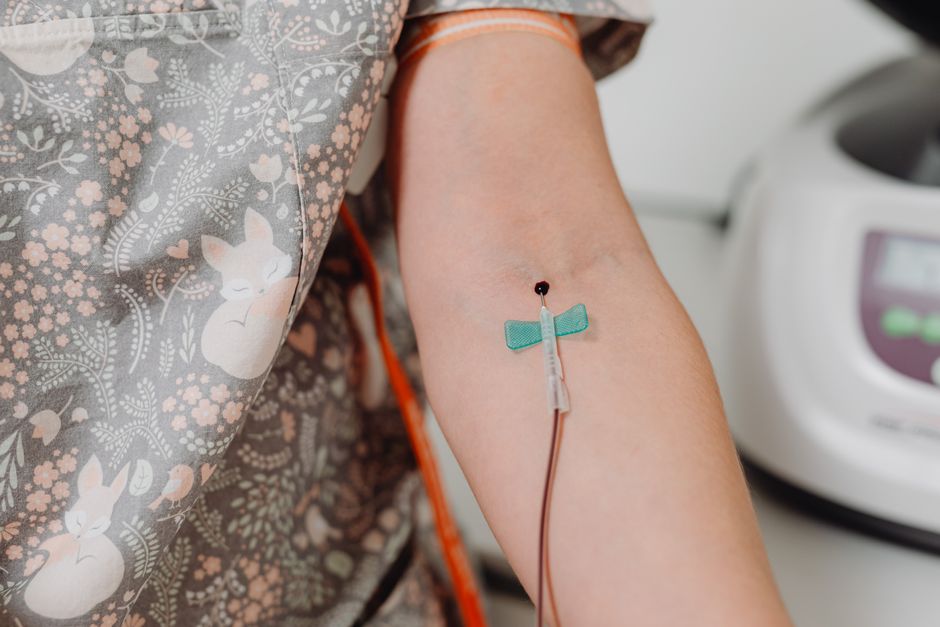
The vein most often used for a routine blood draw is the median cubital vein, which runs across the inside of the elbow. Phlebotomists favor it because it is usually large, close to the surface, and well anchored by surrounding tissue, so it does not roll or move much when a needle is inserted. If that vein is not suitable, a technician will look at the cephalic vein on the outer side of the arm or the basilic vein on the inner side. These three veins are the standard choices for what is called venipuncture — the medical term for drawing blood from a vein.
What Vein Is Used For A Blood Draw?
The median cubital vein is the first choice in most blood draws, and the reason comes down to anatomy and access rather than preference.
This vein sits in the antecubital fossa — the shallow dip on the inner side of your elbow. It connects the cephalic vein and the basilic vein in an H-shaped or M-shaped pattern that varies from person to person. Because it lies over a flat area of muscle and fascia, it tends to stay still. That stability matters. A vein that rolls under the skin makes the stick harder, more painful, and more likely to miss.
The cephalic vein runs along the thumb side of the forearm and wrist. It is often visible and easy to reach, which makes it a common backup. The basilic vein runs along the pinky side. It is usually larger but sits closer to nerves and an artery, so it is used with more caution.
Veins are chosen over arteries for routine draws for good reason. Veins sit closer to the skin, have lower pressure, and bleed less when punctured. Arterial blood draws are a different procedure, used mainly for specific tests like blood gas measurements, and they are more painful and technically demanding.
Why Is The Median Cubital Vein Usually Preferred?
The median cubital vein offers the best combination of size, location, and safety for a standard draw.
Several practical factors make it the default:
- It is typically large enough to accept a standard needle without collapsing.
- It sits close to the surface, so the needle does not need to travel far.
- It is supported by surrounding tissue, which keeps it from moving.
- It lies away from major arteries and nerves in most people, lowering the risk of complications.
- It is easy to see and feel, even without a tourniquet in many cases.
Anatomy varies. In some people the median cubital vein is small, missing, or positioned differently. In those cases the technician moves to the next best option. This is normal and does not indicate anything wrong with your veins.
What Other Veins Can Be Used For A Blood Draw?
When the elbow veins are not usable, phlebotomists have several alternatives on the arm and hand.
The cephalic vein on the outer forearm and the basilic vein on the inner forearm are the most common backups. The dorsal veins on the back of the hand are also frequently used, especially in people whose elbow veins are hard to access. Hand veins tend to be smaller and can be more sensitive, so many patients find draws there slightly more uncomfortable.
In some situations, a technician may use veins on the foot or ankle. This is uncommon and generally reserved for specific circumstances. In infants and young children, blood is sometimes drawn from the scalp or heel, though heel sticks are typically used only for small sample volumes in newborns.
For patients who need frequent blood draws or long-term intravenous access, a clinician may place a central line or a peripherally inserted central catheter (PICC). These are not used for routine single draws but for ongoing access needs.





Why Not Use An Artery Instead?
Arteries are deeper, under higher pressure, and harder to access, so they are not used for routine blood tests.
An arterial puncture carries more risk of bleeding, bruising, and in rare cases damage to surrounding structures. It is also more painful. Arterial blood is used for specific tests where venous blood will not work, such as measuring oxygen and carbon dioxide levels in the blood. These are called arterial blood gas tests, and they are typically performed by trained clinicians rather than phlebotomists.
For the vast majority of tests — complete blood count, cholesterol panel, glucose, liver function, thyroid, and most others — venous blood is the standard sample. The composition of venous blood is well understood and reference ranges are built around it.
What Happens If No Vein Can Be Found?
Difficulty finding a vein is common and usually manageable.
Techniques that help include applying a warm compress to the area, letting the arm hang down to increase blood flow, tapping the vein gently, and using a tourniquet to make veins stand out. Hydration matters too. Being well hydrated makes veins easier to see and feel, which is one practical reason to drink water before a scheduled blood test.
If a vein still cannot be accessed after a few attempts, the technician may ask a colleague to try, use a smaller needle, or use a device that helps locate veins under the skin using near-infrared light. In some cases, a doctor may order a different type of collection or refer you to a specialist. Repeated failed attempts are frustrating but rarely indicate a medical problem. Some people simply have veins that are harder to reach.
Does It Matter Which Vein Is Used?
For most routine tests, the specific vein does not change the results.
Venous blood composition is generally consistent across the arm. However, there are a few situations where the draw site can matter. Blood drawn from a hand vein may differ slightly from blood drawn at the elbow for certain measurements, though for most standard panels this difference is not clinically significant. If you have an IV line running in one arm, the technician will use the other arm to avoid diluting or contaminating the sample.
Some tests require specific collection conditions. For example, certain hormone tests may be affected by the timing of the draw, and some medications can influence results. These are factors your doctor or the lab will account for when interpreting results, not reasons to worry about which vein was used.
What Are The Risks Of A Blood Draw?
Blood draws are among the safest routine medical procedures, but minor side effects are common.
Bruising at the puncture site is the most frequent issue. It happens when blood leaks under the skin, and it usually resolves within a few days to a week. A small amount of soreness or a bump at the site can also occur. Applying pressure after the draw and keeping the arm still for a short time can reduce bruising.
More serious complications are rare. These include infection, nerve irritation, and in unusual cases a condition called phlebitis, which is inflammation of the vein. Fainting during or after a draw is uncommon but does happen, particularly in people who are anxious about needles or who have not eaten. Letting the technician know if you feel lightheaded is important.
If you experience swelling, redness, warmth, or pain that worsens over days after a draw, contact a healthcare provider. These signs are uncommon but worth checking.
How To Make A Blood Draw Easier
A few simple steps can make the process smoother for both you and the person drawing your blood.
- Drink water in the hours before your appointment unless you have been told to fast.
- Wear short sleeves or a shirt with sleeves that can be rolled up easily.
- Tell the technician if you have a history of fainting or difficult draws.
- Stay warm — cold arms make veins harder to find.
- Breathe normally and try to relax your arm muscles.
If you have had multiple difficult draws in the past, mentioning it upfront can help the technician plan ahead. Some people find that applying a warm pack to the arm for a few minutes before the appointment helps veins become more visible.
Frequently Asked Questions
What vein is most commonly used for a blood draw?
The median cubital vein, located in the crease of the elbow, is the most commonly used vein for routine blood draws. It is preferred because it is usually large, stable, and easy to access.
Can they draw blood from a vein in my hand?
Yes, veins on the back of the hand are commonly used when elbow veins are not accessible. Hand draws can be slightly more uncomfortable because the veins are smaller and more sensitive.
Why do phlebotomists avoid the basilic vein sometimes?
The basilic vein runs near nerves and an artery, so it carries a higher risk of complications if the needle goes too deep. It is still used when needed, but with more caution than the median cubital vein.
What should I do if I have hard-to-find veins?
Drink water before your appointment, stay warm, and tell the technician about past difficult draws. These steps can help, though some people simply have veins that are harder to access no matter what.
