
Most vegetables are safe to eat raw, but a small group can make you sick if eaten uncooked. The main ones are dried kidney beans, raw soybeans, cassava, certain bamboo shoots, and some members of the nightshade family when they are green or unripe. These aren’t mildly uncomfortable — raw kidney beans in particular can cause violent vomiting and diarrhea within hours. The good news is that proper cooking neutralizes the danger in almost every case.
The reason some plants are toxic raw comes down to natural defense chemicals. Plants can’t run from animals, so many evolved compounds that taste bitter or cause illness. Cooking, soaking, fermenting, or drying breaks these compounds down. When people say a vegetable is “poisonous,” they usually mean it contains enough of these compounds to cause real symptoms in the raw state.
Why Are Some Vegetables Poisonous When Raw?
Plants make chemicals to protect themselves from insects, animals, and microbes. A few of these compounds are harmful to people too. The most studied ones are lectins, cyanogenic glycosides, and solanine.
Lectins are proteins that bind to sugars on cell surfaces. In high amounts, certain lectins irritate the gut lining and cause nausea, vomiting, and diarrhea. Red kidney beans contain a lectin called phytohaemagglutinin, and it is one of the most potent natural toxins found in a common food.
Cyanogenic glycosides are compounds that release cyanide when the plant tissue is crushed or chewed. Cassava and bamboo shoots contain them. The body can detoxify small amounts of cyanide, but larger doses cause serious harm.
Solanine is a glycoalkaloid found in potatoes, tomatoes, and eggplants — all nightshades. It is a natural pesticide. In normal ripe vegetables, levels are low enough to be harmless. In green potatoes and unripe tomatoes, levels rise.
Here is the key point that gets lost in a lot of scary internet content: cooking destroys or removes most of these compounds. Boiling kidney beans for long enough breaks down the lectin completely. Soaking and fermenting cassava removes the cyanide precursors. The vegetable isn’t inherently dangerous — the raw, improperly prepared version is.
What Vegetables Are Poisonous To Eat Raw?
The list is shorter than most people expect. These are the vegetables with well-documented risk when eaten raw or undercooked.
- Dried kidney beans — the highest-risk common vegetable. Raw or undercooked beans contain phytohaemagglutinin.
- Raw soybeans — contain a similar lectin and a trypsin inhibitor that interferes with protein digestion.
- Cassava — contains cyanogenic glycosides, especially in the bitter varieties.
- Bamboo shoots — raw shoots contain cyanogenic glycosides.
- Green or sprouting potatoes — contain elevated solanine.
- Unripe tomatoes and eggplant — contain solanine and related compounds, though at lower levels than potatoes.
- Certain raw beans and legumes — including some varieties of lima beans and fava beans, particularly in large amounts or for people with specific enzyme deficiencies.
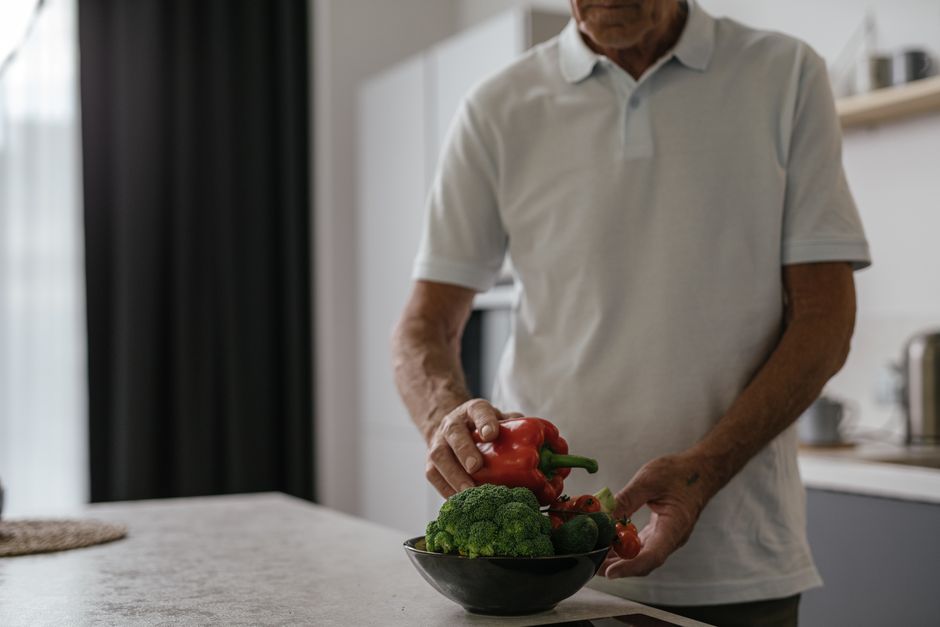
Notice what’s not on this list. Carrots, broccoli, spinach, cucumber, peppers, celery, and lettuce are all safe raw. So are most root vegetables, leafy greens, and salad vegetables. The raw vegetable platter is not a hidden hazard.
Are Raw Kidney Beans Really That Dangerous?
Yes. Raw and undercooked kidney beans are the clearest example of a genuinely dangerous raw vegetable. Eating as few as a handful of improperly cooked beans can trigger severe nausea, vomiting, and diarrhea within one to three hours.
The culprit is phytohaemagglutinin, often shortened to PHA. It binds to the lining of the small intestine and disrupts normal cell function. The body responds by flushing the gut — which is why the symptoms come on fast and hit hard. Most people recover within several hours to a day, but the experience is miserable and can lead to dehydration.
What makes this tricky is that slow cookers are a common cause of poisoning. Kidney beans cooked at low heat in a slow cooker may never reach the temperature needed to destroy PHA. The beans soften and seem cooked, but the toxin survives. Boiling at a rolling boil for a sustained period is what reliably breaks it down.
Canned kidney beans are already fully cooked and safe to eat straight from the can. So are beans that have been properly boiled. The risk is specifically with dried beans that are soaked and then undercooked.
What About Cassava and Bamboo Shoots?
Cassava is a staple food for hundreds of millions of people worldwide, and it is genuinely dangerous if eaten raw. The root contains cyanogenic glycosides — compounds that release cyanide when the plant cells are broken down during chewing.
Traditional preparation methods exist for good reason. Soaking, grating, fermenting, and cooking cassava all reduce the cyanide content. These methods were developed over generations, and they work. The danger comes when preparation is skipped or done improperly.
Long-term consumption of poorly processed cassava is linked to a condition called konzo, which causes irreversible paralysis of the legs. This is a real public health issue in some regions where cassava is a dietary staple and processing is inadequate. For most US readers, cassava shows up as tapioca or cassava flour — both of which are processed and safe.
Raw bamboo shoots contain similar cyanogenic compounds. They must be peeled, sliced, and boiled before eating. Canned bamboo shoots are already prepared and safe.
Are Green Potatoes and Unripe Tomatoes Actually Toxic?
Green potatoes and unripe tomatoes contain solanine, and the risk is real but often overstated. Let me be clear about the scale.
Solanine is present in all potatoes, even healthy ones, at low levels. The green color on a potato comes from chlorophyll, which itself is harmless — but it signals that the potato has been exposed to light, which also triggers solanine production. Greening and solanine rise together, but chlorophyll isn’t the toxin.
You would need to eat a substantial amount of heavily greened potato to reach a dangerous solanine dose. Small green patches can be cut away. A potato that is green throughout, or one that has sprouted significantly, is best discarded. This is standard food safety guidance, not a sign of an imminent emergency.
Unripe tomatoes contain solanine too, but at lower concentrations than green potatoes. Ripe red tomatoes have very little. Fried green tomatoes, a Southern staple, are traditionally made from unripe tomatoes and are generally considered safe in normal serving sizes — the solanine content is low, and cooking reduces it further. This is an area where the internet tends to exaggerate risk.
Does Cooking Make These Vegetables Safe?
Cooking reliably neutralizes the toxins in almost every vegetable on this list, but the method matters. Not all cooking is equal.
Boiling is the most effective method for kidney beans, soybeans, bamboo shoots, and cassava. The heat and water together break down lectins and leach out water-soluble cyanogenic compounds. Slow cooking at low temperatures is not reliable for kidney beans — this is the single most common mistake.
For cassava, cooking alone may not be enough with bitter varieties. Soaking and fermentation are part of the traditional process because they remove compounds that heat alone doesn’t fully eliminate.
For potatoes, cooking does not destroy solanine. Heat-stable compounds like solanine survive boiling, baking, and frying. If a potato is heavily greened, cooking it won’t make it safe — you need to discard it.
This is where general advice breaks down: “just cook it” is not a universal fix. The correct preparation depends on the specific vegetable and the specific compound.
How Can You Reduce Risk From Raw Vegetables?
For most people, the practical steps are simple. Know which vegetables carry risk, and prepare them correctly.
- Always boil dried kidney beans thoroughly before using them in any dish, including slow-cooker recipes.
- Use canned beans if you want to skip the cooking step — they are already safe.
- Cook soybeans before eating; edamame is steamed or boiled, which is why it’s safe.
- Buy prepared cassava products and canned bamboo shoots rather than raw ones unless you know the traditional preparation methods.
- Cut away small green patches on potatoes; discard potatoes that are green throughout or heavily sprouted.
- Store potatoes in a dark, cool place to slow greening and sprouting.
Washing raw vegetables removes dirt, bacteria, and pesticide residue, but it does not remove lectins, cyanogenic glycosides, or solanine. Those require cooking, soaking, or fermentation. This is a common misconception — rinsing a raw kidney bean does nothing to make it safe.
When Should You See a Doctor?
Most foodborne illness from raw vegetables resolves on its own within a day or two. Symptoms like nausea, vomiting, and diarrhea are the body’s way of clearing the irritant.
Seek medical care if you cannot keep fluids down, show signs of dehydration (dark urine, dizziness, rapid heartbeat), have bloody diarrhea, or develop symptoms that last more than a few days. Young children, older adults, pregnant women, and people with weakened immune systems are at higher risk of complications from dehydration.
If you suspect cyanide poisoning from raw cassava or bamboo shoots — symptoms include dizziness, headache, confusion, and difficulty breathing — treat it as a medical emergency. These cases are rare in the US but serious when they occur.
Frequently Asked Questions
Can you get sick from eating raw kidney beans?
Yes, raw or undercooked kidney beans can cause severe nausea, vomiting, and diarrhea within hours. The lectin they contain is destroyed only by thorough boiling.
Are raw potatoes poisonous?
Raw potatoes contain solanine, but the risk is mainly with green or sprouted potatoes. Normal potatoes eaten raw in small amounts are unlikely to cause harm, though they are hard to digest.
Is it safe to eat raw bamboo shoots?
No, raw bamboo shoots contain cyanogenic compounds that release cyanide. They must be peeled and boiled before eating, and canned versions are already prepared.
Are green tomatoes safe to eat?
Unripe green tomatoes contain solanine, but at low levels. Fried green tomatoes are generally considered safe in normal serving sizes.
