
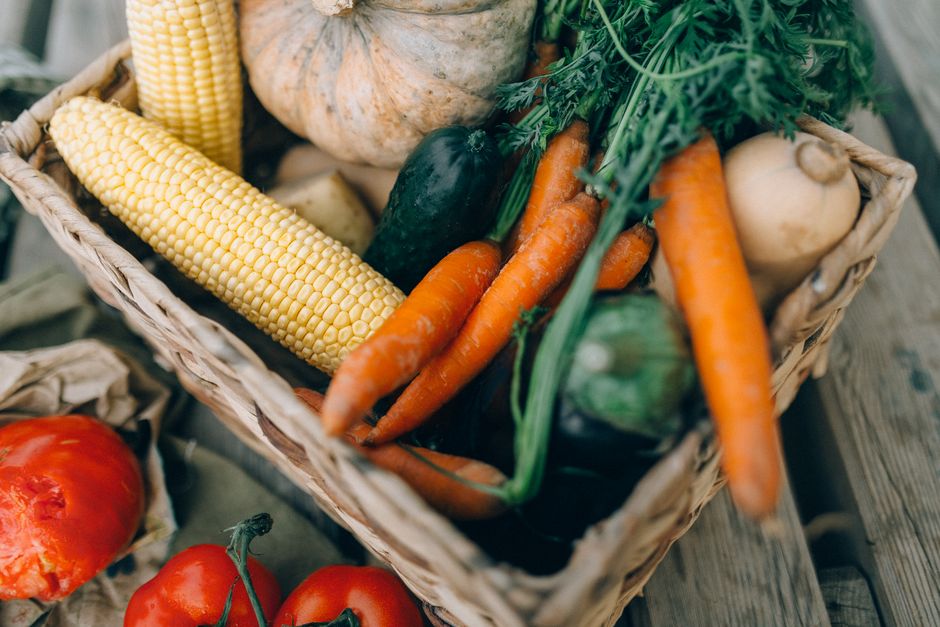
The vegetables that do the most for your gut are the ones that feed the good bacteria already living there. These are foods rich in fiber, especially a type called prebiotic fiber. When you eat them, your gut bacteria ferment that fiber and produce short-chain fatty acids, which are the main fuel for the cells lining your colon. The best choices are garlic, onions, leeks, asparagus, Jerusalem artichokes, and leafy greens. These are not exotic foods. They are common, affordable, and easy to add to your normal meals.
Why Fiber Matters More Than Any Single Vegetable
Your gut is home to trillions of bacteria. They do not just pass through. They live there, and they need to eat. The food they eat is the fiber you consume. When you eat a diet low in fiber, those bacteria starve. When you eat a diet rich in fiber, they thrive and multiply.
The most important product of this process is butyrate. Butyrate is a short-chain fatty acid produced when bacteria ferment fiber. It is the primary energy source for the cells that line your colon. Without enough butyrate, the gut lining can become weak and more permeable. This is the mechanism behind many claims about “leaky gut,” though that term is not a formal medical diagnosis. What is well established is that butyrate supports a healthy gut barrier and reduces inflammation in the colon.
Not all fiber is the same. Soluble fiber dissolves in water and forms a gel. This type is fermented heavily by gut bacteria. Insoluble fiber adds bulk to stool and helps move things along. Both are important. The vegetables listed below are especially high in the soluble, fermentable kind.
What Vegetables Are Best for Gut Health? The Short List
Some vegetables are clearly better than others for feeding gut bacteria. The reason is their specific fiber content. Here are the ones with the strongest evidence behind them.
- Garlic and onions. Both are rich in inulin and fructooligosaccharides (FOS). These are prebiotic fibers that feed Bifidobacteria and other beneficial strains. Cooking them reduces their pungency but does not destroy the fiber.
- Leeks. A close relative of onions, leeks are also high in inulin. They are milder in flavor, which makes them easier to eat in larger amounts.
- Asparagus. One of the best vegetable sources of inulin. A single serving provides a meaningful dose of prebiotic fiber.
- Jerusalem artichokes. Also called sunchokes, these tubers contain very high amounts of inulin. They are so potent that eating too much at once can cause gas and bloating. Start with small portions.
- Leafy greens. Spinach, kale, Swiss chard, and collard greens provide a different type of fiber plus a sugar called sulfoquinovose, which some research suggests feeds beneficial bacteria in the lower gut. They also contain magnesium, which supports normal muscle function in the digestive tract.
- Cabbage and broccoli. These cruciferous vegetables contain fiber plus sulfur compounds that some gut bacteria use. They are not as potent as garlic or onions, but they add variety, and variety matters for a healthy microbiome.
This list is not exhaustive. But if you want the highest impact per bite, these are the vegetables that research consistently points to.
How Much Do You Actually Need to Eat?
Most adults in the United States eat about 15 grams of fiber per day. The USDA recommends 25 to 38 grams per day for adults, depending on age and sex. That is a large gap. Closing it is one of the most effective things you can do for your gut.
You do not need to eat a specific vegetable to hit this target. You need to eat a variety of them consistently. A practical goal is to include at least one serving of a high-prebiotic vegetable at most meals. That could mean adding onions to your morning eggs, having a side of asparagus with lunch, or roasting garlic with dinner vegetables.
Increase your fiber intake gradually. If you jump from 15 grams to 35 grams in one week, you will likely experience gas, bloating, and abdominal discomfort. Your gut bacteria need time to adjust. Add one new high-fiber vegetable every few days and drink plenty of water. Fiber works with water to move through your system.



Raw Versus Cooked: Does Preparation Change the Benefit?
Both raw and cooked vegetables benefit your gut, but in slightly different ways. Cooking softens the plant cell walls. This makes some nutrients easier to absorb. For example, cooked tomatoes release more lycopene, and cooked carrots release more beta-carotene. But cooking can reduce the amount of certain heat-sensitive vitamins, like vitamin C.
For fiber specifically, cooking does not destroy it. The fiber remains intact whether the vegetable is raw or cooked. However, cooking does affect how quickly bacteria can access it. Some research suggests that cooked vegetables are fermented more easily by gut bacteria because the plant structure is already broken down. Other studies suggest that raw vegetables provide more of a “scrubbing” effect as they move through the digestive tract. The honest answer is that both forms are beneficial, and the best approach is to eat a mix of raw and cooked vegetables.
One important note: chewing matters. Grinding vegetables with your teeth breaks down plant cell walls mechanically. This exposes more fiber to your gut bacteria. People who eat quickly and swallow large pieces of raw vegetables do not get the same benefit as those who chew thoroughly.
What About Fermented Vegetables?
Fermented vegetables like sauerkraut, kimchi, and pickles are often grouped with gut health foods. They are different from fresh vegetables. Fermentation introduces live bacteria into your digestive system. These are called probiotics. They are not the same as prebiotics, which are the food for bacteria already in your gut.
Fermented vegetables can be a good addition to your diet. They provide live microbes that may temporarily increase the diversity of your gut bacteria. However, the evidence that these probiotic bacteria permanently colonize the gut is limited. Most research suggests they pass through and may have benefits while they are present.
There is a catch. Many commercial pickles and sauerkrauts are pasteurized. Pasteurization kills the live bacteria. To get the probiotic benefit, you need unpasteurized, refrigerated products. Check the label. If it says pasteurized, it will not contain live cultures. Also, many commercial fermented vegetables are very high in sodium. If you have high blood pressure, factor that in.
Fermented vegetables are a complement to fiber-rich vegetables, not a replacement. You still need the prebiotic fiber to feed your existing gut bacteria. A diet of only fermented foods without fiber will not sustain a healthy microbiome.
What About Supplements and Powders?
The supplement market for gut health is large and growing. You can buy prebiotic powders, fiber supplements, and probiotic capsules. Some of these are effective. Others are marketing. The distinction matters.
Fiber supplements like psyllium husk have solid evidence behind them. They increase stool bulk and can help with constipation. They are a reasonable option for people who cannot eat enough vegetables. But they do not provide the full range of nutrients, phytochemicals, and fiber types that whole vegetables do. A supplement is a bridge, not a destination.
Prebiotic powders that contain inulin or FOS are also available. They work. They feed the same bacteria that garlic and onions feed. But they can cause significant gas and bloating, especially at higher doses. Some people find that whole vegetables are better tolerated because the fiber is bound within the plant structure and released more slowly.
Probiotic supplements are a separate category. The evidence for specific strains varies widely. Some strains have been studied for specific conditions like antibiotic-associated diarrhea or irritable bowel syndrome. Others have no human data behind them at all. If you are considering a probiotic, look for products that name the specific strains and cite the conditions they have been studied for. If the label only says “supports gut health” without specifics, treat it with skepticism.
What If Vegetables Cause You Gas and Bloating?
This is the most common reason people stop eating high-fiber vegetables. It is a real problem, not a sign of weakness. When you suddenly increase fermentable fiber, your gut bacteria produce more gas as a byproduct. This is normal and usually temporary.
The solution is to increase fiber slowly. Add one new vegetable at a time. Give your body three to five days to adjust before adding another. Chew thoroughly. Drink water throughout the day. If symptoms persist after several weeks of gradual increase, talk to a doctor. Persistent bloating, pain, or changes in bowel habits can be signs of an underlying condition like irritable bowel syndrome (IBS) or small intestinal bacterial overgrowth (SIBO).
For people with IBS, some high-FODMAP vegetables can trigger symptoms. FODMAPs are types of carbohydrates that are poorly absorbed. Garlic and onions are high in FODMAPs. This does not mean they are bad for everyone. It means they are not right for everyone. A low-FODMAP diet is a therapeutic tool, not a long-term lifestyle. If you have IBS, work with a registered dietitian to identify your triggers rather than cutting out all high-fiber vegetables.
Frequently Asked Questions
What is the single best vegetable for gut health?
Garlic and onions are the most consistently studied vegetables for prebiotic fiber. Jerusalem artichokes contain even more inulin, but they are harder to eat in large amounts due to gas and bloating.
Are frozen vegetables as good for gut health as fresh ones?
Yes. Frozen vegetables are usually harvested at peak ripeness and flash-frozen quickly. The fiber content remains intact. They are a convenient and affordable way to get the same gut benefits.
How long does it take to improve gut health by eating more vegetables?
Most people notice changes in digestion within one to two weeks of consistently increasing fiber intake. Full shifts in the gut bacterial community can take several weeks to months. There is no exact timeline because individual responses vary.
Can you eat too many high-fiber vegetables?
Yes, if you increase intake too quickly. Eating very large amounts of inulin-rich vegetables like Jerusalem artichokes can cause severe gas, cramping, and diarrhea. The solution is gradual increase, not avoidance.
