
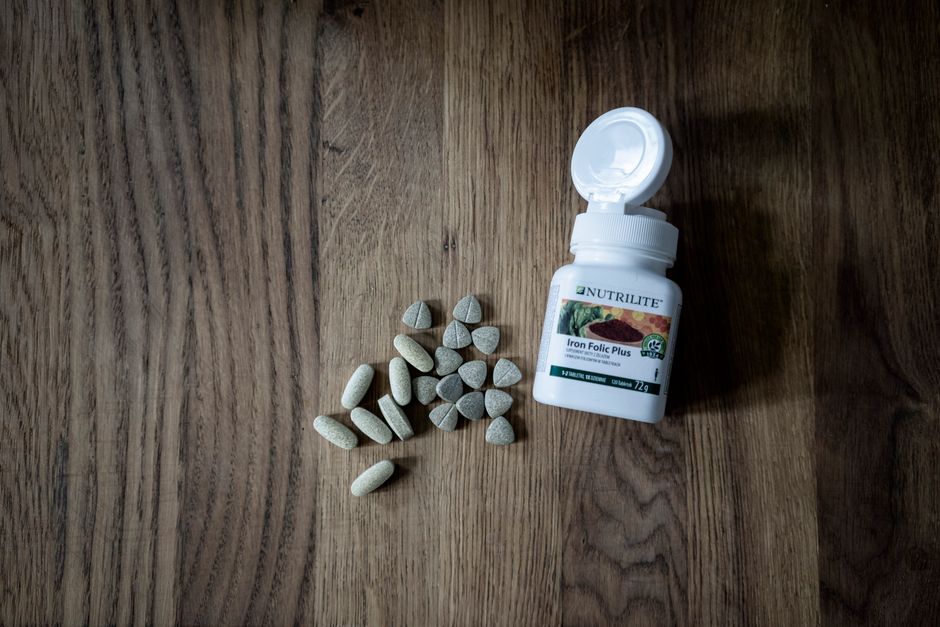
Iron is a mineral your body needs to make hemoglobin, the protein in red blood cells that carries oxygen. If you eat a plant-based diet, or you are trying to eat more plants, you can still get iron. Vegetables that contain iron include spinach, Swiss chard, kale, collard greens, beet greens, potatoes with the skin, sweet potatoes, peas, green beans, and mushrooms. Legumes like lentils, chickpeas, and soybeans are even richer sources, though they are technically in a separate food group from vegetables.
One thing matters more than the list itself. Plants contain a form of iron called non-heme iron, and your body absorbs it less efficiently than the heme iron found in meat. That does not mean plant iron cannot meet your needs. It means the amount on a label and the amount your body actually uses are two different numbers.
What Veg Contains Iron?
Spinach and other dark leafy greens top most lists, and for good reason. Spinach, Swiss chard, collard greens, kale, and beet greens all contain meaningful amounts of iron. So do potatoes baked or boiled with the skin on, sweet potatoes, green peas, snow peas, green beans, mushrooms, and tomato products.
Cooking matters here. Spinach and other greens shrink dramatically when cooked, so a cup of cooked spinach represents far more leaves than a cup of raw spinach. That means the cooked version delivers more iron per cup, simply because you are eating more plant in the same volume.
The table below shows approximate iron content for common vegetables. Values come from USDA nutrient data and are rounded.
| Vegetable (cooked unless noted) | Approximate iron per cup |
|---|---|
| Spinach, cooked | About 6 mg |
| Swiss chard, cooked | About 4 mg |
| Potato, baked with skin | About 2 mg |
| Sweet potato, baked with skin | About 1 mg |
| Green peas, cooked | About 2 mg |
| Green beans, cooked | About 1 mg |
| Mushrooms, cooked | About 1 mg |
For context, the Recommended Dietary Allowance for iron is 8 mg per day for adult men and 18 mg per day for adult women aged 19 to 50. These figures come from the National Institutes of Health and apply to healthy adults. Pregnancy raises the requirement substantially.
Notice what the table shows. Even the best vegetable, cooked spinach, provides about a third of a man’s daily iron and about a third of a premenopausal woman’s. Vegetables alone can contribute, but they rarely carry the full load.
Why Plant Iron Is Absorbed Differently
Your body absorbs two forms of iron through different pathways. Heme iron comes from hemoglobin and myoglobin in animal tissues. Non-heme iron is everything else, including all the iron in plants. Heme iron is absorbed at a higher rate, and it is not strongly affected by other things in your meal. Non-heme iron is absorbed at a lower rate and is highly sensitive to what you eat alongside it.
This is the part most lists leave out. A cup of spinach and a small serving of beef might show similar iron on paper, but your body will pull more usable iron from the beef. That is a real difference, not a marketing trick.
Here is a clarification that surprises people. Spinach is often called a great iron source, and it does contain iron. But spinach also contains oxalates, compounds that bind iron and reduce how much you absorb. So spinach’s iron is real but partly locked up. This does not make spinach a bad food. It makes it an unreliable iron source on its own.
How to Absorb More Iron From Vegetables
You can meaningfully improve non-heme iron absorption through food pairing. Two strategies have solid evidence behind them.
- Add vitamin C. Vitamin C strongly boosts non-heme iron absorption. Bell peppers, citrus, tomatoes, broccoli, and strawberries all work. Eating them in the same meal as your iron-rich vegetables is what counts.
- Avoid tea and coffee at meals. Tannins and polyphenols in tea and coffee reduce non-heme iron absorption. Drinking them between meals rather than with them is a simple change.
Some compounds in plant foods work the other way. Phytates, found in whole grains and legumes, and calcium both reduce non-heme iron absorption. This does not mean you should avoid these foods. It means timing and pairing matter.
Cooking in a cast iron skillet can add small amounts of iron to food, especially with acidic foods like tomato sauce. The amount added is variable and hard to predict, so treat it as a bonus rather than a plan.




Are Vegetables Enough to Prevent Iron Deficiency?
For most healthy adults eating a varied diet, plant iron can contribute to meeting needs, but vegetables alone are usually not sufficient. Legumes, fortified cereals, tofu, and whole grains carry more iron per serving than most vegetables. Nuts and seeds, especially pumpkin seeds and sesame, add more.
Certain groups face higher risk of iron deficiency and should pay closer attention.
- Women who menstruate, because blood loss depletes iron stores
- Pregnant women, whose iron needs rise significantly
- People with celiac disease or other conditions that impair nutrient absorption
- People who donate blood frequently
- Vegetarians and vegans, who rely entirely on non-heme iron
Iron deficiency is diagnosed through blood tests, typically ferritin, hemoglobin, and sometimes other markers. Symptoms like fatigue, pale skin, shortness of breath, and cold hands can suggest low iron, but they overlap with many other conditions. A blood test is the only way to know. Do not assume fatigue means low iron, and do not start iron supplements without testing. Excess iron can be harmful, and some people carry a genetic condition called hemochromatosis that causes dangerous iron overload.
Which Vegetables Have the Most Iron Per Serving?
If you are ranking by iron per cooked cup, dark leafy greens lead. Cooked spinach is the standout, followed by Swiss chard and collard greens. Beet greens and kale are close behind. Potatoes with skin and green peas sit in the middle. Most other vegetables provide modest amounts.
But ranking by iron alone misses the point. A food’s iron value depends on how much you eat, how it is prepared, and what you eat with it. A large bowl of lentil soup with a squeeze of lemon may deliver more usable iron than a small side of spinach. Legumes are not vegetables in the botanical or dietary sense, but they are where most plant-based iron actually comes from.
Do You Need Supplements If You Eat Vegetables?
Most people do not need iron supplements based on diet alone. Supplements are appropriate when a blood test confirms deficiency and a clinician recommends them. Taking iron without a documented need can cause constipation, nausea, and in rare cases, iron overload.
If you follow a plant-based diet and want to protect your iron status, the practical steps are to eat iron-rich plant foods regularly, pair them with vitamin C, keep tea and coffee away from meals, and get your iron checked periodically. A registered dietitian can help you plan meals that meet your needs without guesswork.
The honest summary is this. Vegetables do contain iron, and some contain a lot. But plant iron is absorbed less efficiently, and vegetables alone rarely cover the full requirement. They are one important piece of a larger picture that includes legumes, fortified foods, and for some people, supplements guided by testing.
Frequently Asked Questions
Which vegetable has the most iron?
Cooked spinach provides roughly 6 mg of iron per cup, making it the highest among common vegetables. Swiss chard and collard greens follow closely behind.
Is spinach a good source of iron?
Spinach contains real iron, but it also contains oxalates that reduce absorption. It counts as a source, though not a highly reliable one on its own.
Can you get enough iron from vegetables alone?
For most adults, vegetables alone usually cannot meet daily iron needs, especially for menstruating or pregnant women. Legumes, fortified foods, and other plant sources are needed to fill the gap.
Does cooking vegetables change their iron content?
Cooking does not add or remove iron, but it concentrates it by reducing water content and volume. A cup of cooked spinach has more iron than a cup of raw spinach because it holds far more leaves.
