
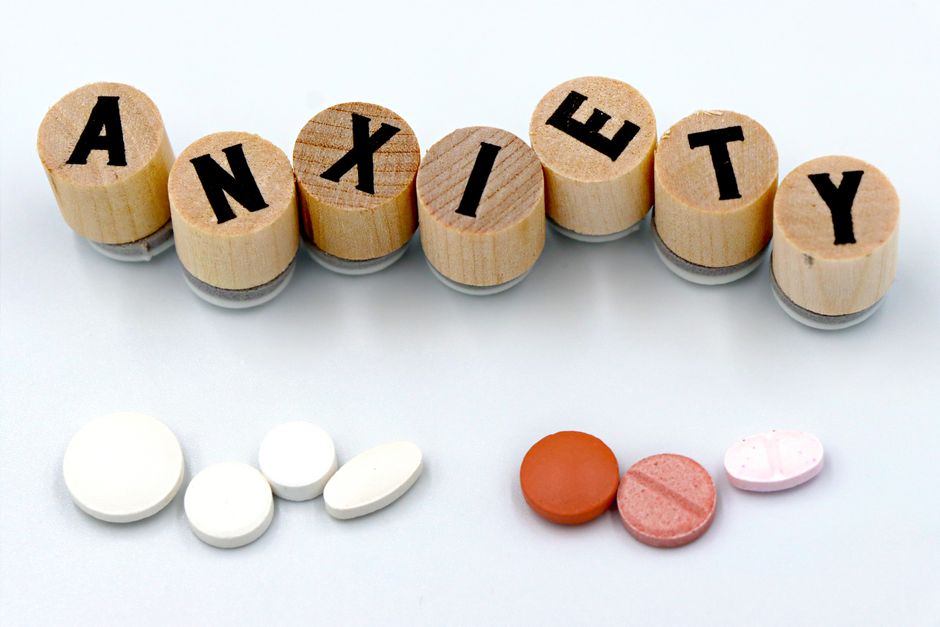
Anxiety is not one condition. It is a family of disorders defined by excessive fear or worry that persists, feels hard to control, and interferes with daily life. The main types recognized in the standard diagnostic manual, the DSM-5, include generalized anxiety disorder, panic disorder, social anxiety disorder, specific phobias, separation anxiety disorder, selective mutism, and agoraphobia. A related group, obsessive-compulsive disorder, is no longer classified as an anxiety disorder but shares overlapping features.
That list matters because the word “anxiety” gets used loosely. Feeling nervous before a presentation is normal. An anxiety disorder is different in duration, intensity, and the way it shapes behavior. The type determines what the fear attaches to, what triggers it, and which treatments have the strongest evidence.
What Types of Anxiety Are There and How Do They Differ?
The core difference between anxiety disorders is what the fear centers on and how it shows up.
- Generalized anxiety disorder (GAD) involves persistent, hard-to-control worry across several areas of life, such as health, money, work, or family. It lasts for months and comes with physical symptoms like muscle tension and fatigue.
- Panic disorder involves repeated, unexpected panic attacks and ongoing worry about having another one. A panic attack is a sudden surge of intense fear that peaks within minutes.
- Social anxiety disorder centers on fear of negative judgment in social or performance situations.
- Specific phobias are intense, out-of-proportion fears of a particular object or situation, such as heights, flying, or needles.
- Agoraphobia is fear of situations where escape might be hard or help unavailable, such as crowds or public transport.
- Separation anxiety disorder involves distress about being apart from attachment figures. It is most associated with children but is also diagnosed in adults.
- Selective mutism is a childhood condition where a child consistently fails to speak in certain settings, such as school, despite speaking in others.
One clarification worth making: OCD sits in its own diagnostic category now. Many people still think of it as an anxiety disorder, and the distress it causes overlaps, but clinicians treat it separately. The distinction affects which treatments are recommended first.
How Common Is Each Type of Anxiety Disorder?
Anxiety disorders as a group are the most common mental health conditions in the United States. The National Institute of Mental Health estimates that roughly one in five U.S. adults experiences an anxiety disorder in any given year. Lifetime risk is higher still.
Specific phobias and social anxiety disorder tend to be among the most common individual types. GAD is also widespread. Panic disorder is less common but often more disruptive when it occurs. These patterns come from large population surveys, and exact figures vary by study and by how conditions are defined.
What the numbers do not capture is how often anxiety goes unreported. Many people describe their symptoms as stress or a personality trait rather than a condition. That gap between prevalence and treatment is one reason screening matters.
What Does Generalized Anxiety Disorder Feel Like?
GAD is anxiety without a single clear target. Worry moves between topics and rarely resolves. People describe it as a background hum of dread that gets louder under pressure.
The physical side is real. GAD commonly involves muscle tension, restlessness, trouble concentrating, irritability, sleep problems, and fatigue. These symptoms can be mistaken for other medical issues, which is why a thorough evaluation matters.
The pattern is what separates GAD from ordinary worry. In GAD, the worry is excessive, hard to switch off, and present more days than not for at least six months. It also causes real distress or difficulty functioning. Those criteria come from the DSM-5, the standard reference clinicians use.
How Is Panic Disorder Different From Normal Anxiety?
Panic disorder is defined by panic attacks that come without an obvious trigger, plus ongoing fear of the next one.
A panic attack is not just strong anxiety. It is a sudden wave of fear that peaks within minutes and brings physical symptoms. These can include a racing heart, sweating, trembling, shortness of breath, chest pain, dizziness, and a sense of unreality or fear of losing control. Because these symptoms mimic heart problems, many people first seek help in an emergency room.
The key feature of panic disorder is the fear of fear itself. People start avoiding places or situations where a panic attack happened, worried it will strike again. That avoidance can narrow daily life over time. Not everyone who has a panic attack has panic disorder. A single attack, or attacks tied to a clear trigger, are common and do not meet the criteria on their own.
What About Social Anxiety and Specific Phobias?
Social anxiety disorder is more than shyness. It is a persistent fear of being judged, embarrassed, or humiliated in social or performance settings. The fear is intense enough to cause avoidance or significant distress.
People with social anxiety often worry before, during, and after social events. Physical symptoms like blushing, sweating, and a shaky voice are common. The condition can affect work, school, and relationships, and it often begins in adolescence.
Specific phobias are the most focused type. The fear attaches to one object or situation, such as spiders, flying, or blood. Exposure to the trigger reliably brings intense fear, and the person usually knows the fear is out of proportion. That insight is a hallmark. It does not make the fear any less real or easier to control.
What Treatments Are Used for Anxiety Disorders?
The strongest evidence for most anxiety disorders supports two main approaches: cognitive behavioral therapy (CBT) and certain medications. Many people benefit from both together.
CBT is a structured therapy that helps people identify and change the thought patterns and behaviors that keep anxiety going. Exposure therapy, a specific form of it, is especially well studied for phobias, social anxiety, and panic disorder. The evidence for CBT across anxiety disorders is strong and consistent.
On the medication side, selective serotonin reuptake inhibitors (SSRIs) and serotonin-norepinephrine reuptake inhibitors (SNRIs) are commonly prescribed and have good evidence for several anxiety disorders. These are typically taken daily, not only when anxiety spikes. Benzodiazepines can relieve anxiety quickly but carry risks of dependence and withdrawal, so clinicians generally use them cautiously and for short periods. Anyone considering medication should discuss benefits and risks with a prescriber.
Lifestyle factors can support treatment but are not a substitute for it. Regular physical activity, adequate sleep, and limiting caffeine and alcohol can reduce anxiety symptoms for some people. The evidence for these as standalone treatments is weaker than for CBT and medication, so they work best alongside professional care.
One practical point: treatment timelines vary. Some people notice improvement within weeks, others take longer. No single approach works for everyone, and finding the right fit may take time.
When Should You Seek Professional Help?
Seek help when anxiety is persistent, hard to control, or getting in the way of daily life. That could mean avoiding work, social events, or activities you used to enjoy. It could mean physical symptoms that worry you or disrupt sleep.
There is no threshold you have to hit before reaching out. You do not need a formal diagnosis to talk to a doctor or therapist. A primary care clinician can help sort out whether symptoms are anxiety or something else, since thyroid problems, heart conditions, and some medications can produce similar symptoms.
If you ever have thoughts of harming yourself, seek help right away. In the U.S., you can call or text 988 to reach the Suicide and Crisis Lifeline.
Anxiety disorders are treatable. Most people improve with the right support. The first step is often just naming what is happening and asking for help.
Frequently Asked Questions
How many types of anxiety disorders are there?
The DSM-5 lists seven: generalized anxiety disorder, panic disorder, social anxiety disorder, specific phobias, agoraphobia, separation anxiety disorder, and selective mutism. OCD is classified separately but shares overlapping features.
What is the most common type of anxiety disorder?
Specific phobias and social anxiety disorder are among the most common individual types. Anxiety disorders as a group affect roughly one in five U.S. adults each year.
Can anxiety disorders be cured?
Many people improve significantly with treatment such as CBT or medication, though some continue to manage symptoms over time. Treatment response varies from person to person.
How do I know if I have an anxiety disorder or just normal anxiety?
An anxiety disorder involves fear or worry that is excessive, persistent, and interferes with daily life. A clinician can assess whether your symptoms meet diagnostic criteria and rule out other causes.
