
If you are trying to eat more protein, milk is one of the easiest places to find it. The type with the most protein is not cow’s milk at all — it is soy milk, which lands close to cow’s milk and sometimes edges it out depending on the brand. The highest-protein cow’s milk is skim milk, followed by reduced-fat (2%) and whole milk. Plant milks are all over the map: some are fortified to match cow’s milk, and some contain almost no protein at all.
That ranking surprises people, because the milk aisle is built to make everything look equal. Cartons promise “same amount of calcium” or “as much vitamin D.” Protein is a different story. It depends on what the milk is made from, and how much of that ingredient actually ends up in the carton.
What Type Of Milk Has The Most Protein Ranked?
Here is the ranking, from highest protein per cup to lowest. All values are approximate and based on standard USDA reference data for unfortified products. Brands vary, so check the label on the carton you actually buy.
| Milk (1 cup) | Protein (grams) |
|---|---|
| Soy milk | 6–9 |
| Skim cow’s milk | 8 |
| Reduced-fat (2%) cow’s milk | 8 |
| Whole cow’s milk | 8 |
| Pea protein milk | 7–8 |
| Oat milk | 2–3 |
| Rice milk | 1 |
| Almond milk | 1 |
| Coconut milk (beverage) | 0–1 |
Two things jump out. First, cow’s milk holds steady at about 8 grams per cup whether it is skim, 2%, or whole. Removing fat does not remove protein. Second, soy milk is the only common plant milk that reliably approaches cow’s milk, and some fortified versions match or slightly exceed it.
Oat milk sits in the middle. It has more protein than almond or rice milk, but usually far less than soy or cow’s milk. Almond, rice, and coconut beverages are the low end of the list — often 1 gram per cup or less.
Why Does Cow’s Milk Have So Much Protein?
Cow’s milk is built to grow a calf, and protein is a major part of that job. About 80% of the protein in cow’s milk is casein, and about 20% is whey. Both are complete proteins, meaning they supply all nine essential amino acids your body cannot make on its own.
That ratio is not a marketing detail. It is why milk has been used as a protein source in human diets for thousands of years and why it shows up in clinical nutrition settings. The protein is simply there in high concentration, and it is easy for the human body to digest and use.
The fat content is a separate issue from the protein content. When milk is skimmed, the cream is removed but the protein stays in the liquid. That is why skim, 2%, and whole milk all land at roughly 8 grams per cup.
Is Soy Milk Really As High In Protein As Cow’s Milk?
Yes, and sometimes higher. Soy milk is made from soybeans, which are themselves a high-protein food. A cup of typical soy milk contains about 6 to 9 grams of protein, which puts it in the same range as cow’s milk.
Soy protein is also a complete protein, similar to cow’s milk in that respect. This is a meaningful difference from most other plant milks. Almond, rice, and coconut beverages are not complete proteins in the same way, and they contain far less protein to begin with.
One caution: not all soy milk is created equal. Some “soy beverages” are diluted or sweetened in ways that lower the protein per cup. The number on the nutrition label is the number that matters, not the word “soy” on the front of the carton.



Why Do Almond, Rice, And Coconut Milk Have So Little Protein?
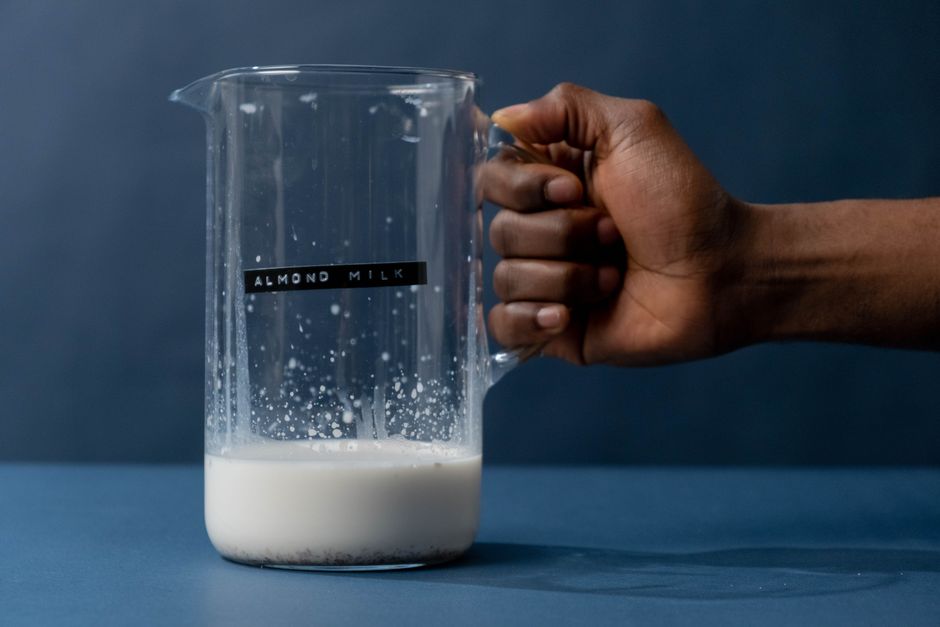
Because they are mostly water. Almond milk, for example, typically contains only a small percentage of actual almonds. The rest is water, plus thickeners, oils, and added vitamins and minerals. Almonds themselves contain protein, but so few almonds end up in a cup of almond milk that the protein contribution is tiny.
The same logic applies to rice milk and coconut milk beverages. Rice is mostly carbohydrate. Coconut is mostly fat. Neither brings much protein to the glass, so neither does the milk made from them.
This is not a flaw in the products — they are designed to be light, low-calorie alternatives. But if protein is your goal, they are the wrong tool. A cup of almond milk with 1 gram of protein does almost nothing for your daily protein intake.
Does Fortification Change The Ranking?
Sometimes, but not as much as people assume. Fortification usually refers to adding vitamins and minerals — calcium, vitamin D, vitamin B12 — not protein. A carton that says “fortified with calcium and vitamin D” has not necessarily had its protein boosted.
That said, some plant milk makers do add protein, often in the form of pea protein or soy protein isolate. These “high-protein” plant milks can reach 7 to 10 grams per cup. If you see a plant milk with protein numbers near cow’s milk, check the ingredient list — you will usually find an added protein source.
The practical takeaway: do not assume a plant milk matches cow’s milk on protein just because the carton is covered in nutrition claims. Flip it over and read the protein line.
Which Milk Should You Choose For Protein?
If protein is your main reason for drinking milk, the answer depends on what else you need from it.
- Cow’s milk gives you about 8 grams per cup regardless of fat level, plus complete protein and naturally occurring calcium.
- Soy milk is the closest plant match, with 6 to 9 grams per cup and complete protein.
- Pea protein milk is a newer option that can reach 7 to 8 grams per cup, though it is less studied than soy.
- Oat, almond, rice, and coconut milk are low-protein choices. They can still fit a diet, but they are not protein sources.
For people who avoid dairy, soy milk is the most direct swap for protein purposes. For everyone else, cow’s milk — at any fat level — remains one of the most protein-dense beverages in the dairy case.
One clarification worth making: “milk” in this context means the beverage, not canned coconut milk used in cooking. Canned coconut milk is a completely different product with a very different nutrition profile, and it is not a protein source either.
Frequently Asked Questions
Which milk has the most protein?
Soy milk has the most protein among common milks, at roughly 6 to 9 grams per cup, which is close to or slightly above cow’s milk. Skim, 2%, and whole cow’s milk all contain about 8 grams per cup.
Does skim milk have more protein than whole milk?
No. Skim, 2%, and whole cow’s milk all contain about 8 grams of protein per cup. Removing fat does not change the protein content.
Is oat milk a good source of protein?
Oat milk is a moderate source, typically providing 2 to 3 grams per cup. That is more than almond or rice milk but well below cow’s milk or soy milk.
Is almond milk high in protein?
No. Almond milk usually contains about 1 gram of protein per cup because it is mostly water with only a small amount of almonds. It is not a meaningful protein source.
