
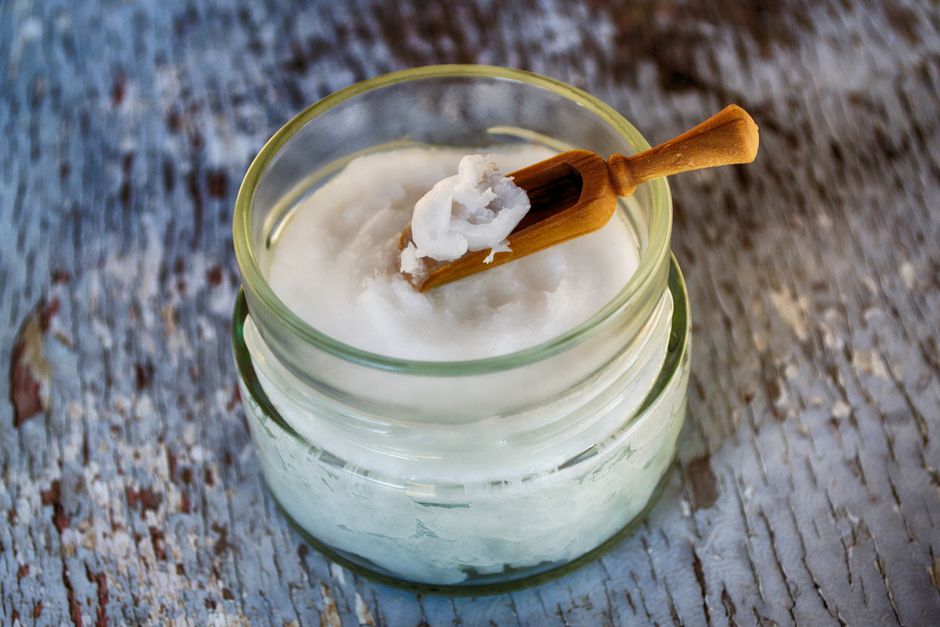
Coconut oil has become a staple in many skincare routines, and the type you choose matters more than most people realize. For skin care, virgin coconut oil (also called extra virgin) is generally the best choice. It is unrefined, which means it keeps more of the natural compounds found in the coconut. Refined coconut oil is better if you want a neutral smell or have very sensitive skin that reacts to plant compounds.
That short answer hides some important details. The differences between virgin and refined coconut oil affect how the oil feels, how it smells, and what it does to your skin. Understanding those differences helps you pick the right one for your face, your body, or a specific skin concern.
What Type Of Coconut Oil Is Best For Skin?
Virgin coconut oil is the best type for most skin care needs. It is made from fresh coconut meat and goes through minimal processing. No chemicals are used to bleach or deodorize it. That means it retains more of the naturally occurring compounds that give coconut oil its skin benefits.
Refined coconut oil starts with dried coconut meat, called copra. It is then bleached and deodorized, often using heat or chemical solvents. This process removes impurities and gives the oil a longer shelf life and no coconut smell. But it also strips away some of the beneficial plant compounds.
Here is what the research shows about the difference:
- Virgin coconut oil contains more polyphenols and tocopherols (a form of vitamin E), which are antioxidants.
- Refined coconut oil has lower levels of these compounds because processing removes them.
- Both types contain the same basic fatty acids, mainly lauric acid and other medium-chain triglycerides.
For skin, the extra antioxidants in virgin coconut oil may offer a slight edge. But the difference is not huge. If you cannot find or afford virgin coconut oil, refined coconut oil still works as a moisturizer.
Is Virgin Coconut Oil Better Than Refined For Skin?
Virgin coconut oil is better for skin if you want the full package of natural compounds. It has higher levels of antioxidants and plant sterols that may help calm inflammation and protect skin from environmental stress.
Refined coconut oil is not bad. It is just different. The refining process removes some allergens and irritants, which can be helpful for people with very sensitive skin or coconut allergies. It also has no scent, so it will not clash with other products.
One practical point: virgin coconut oil has a lower smoke point and a stronger coconut smell. For skin, the smell fades after a few minutes, but some people dislike it. Refined coconut oil is odorless.
If your skin is normal to dry and not sensitive, virgin coconut oil is the better pick. If your skin is reactive, prone to redness, or you dislike the smell, refined coconut oil is a reasonable alternative.
What About Fractionated Coconut Oil For Skin?
Fractionated coconut oil is a different product entirely. It is made by separating the long-chain fatty acids from the oil, leaving mostly medium-chain triglycerides. This keeps it liquid at room temperature and gives it a very long shelf life.
For skin, fractionated coconut oil is lightweight and non-greasy. It absorbs quickly and does not clog pores as much as regular coconut oil. That makes it a popular carrier oil for essential oils and for people with oily or acne-prone skin.
But fractionated coconut oil lacks the lauric acid and antioxidants found in virgin coconut oil. Lauric acid is one of the main reasons coconut oil has antibacterial and moisturizing properties. So while fractionated oil feels nicer on the skin, it may not offer the same skin benefits.
If you want the skin benefits of coconut oil, virgin coconut oil is still the best choice. If you want a light, non-greasy oil for blending or for oily skin, fractionated coconut oil is a good option.





Does Coconut Oil Help With Dry Skin And Eczema?
Coconut oil is an effective moisturizer for dry skin. It works by forming a barrier on the skin that slows water loss. It also contains fatty acids that can help soften rough patches.
Some studies suggest virgin coconut oil may help with mild to moderate eczema. Research published in the journal Dermatitis found that virgin coconut oil reduced symptoms of atopic dermatitis in children. But the evidence is not strong enough to call it a treatment for eczema. It is a moisturizer, not a medication.
For very dry or cracked skin, coconut oil can provide relief. But if you have eczema that is red, inflamed, or oozing, see a doctor. Coconut oil alone will not fix a flare-up.
One caution: coconut oil can cause allergic reactions in people with a coconut allergy. If you have never used it on your skin, test a small area first.
Can Coconut Oil Clog Pores Or Cause Acne?
Coconut oil is comedogenic, which means it can clog pores. On a scale of 0 to 5, coconut oil rates around 4. That makes it a poor choice for people with oily or acne-prone skin.
The reason is its fatty acid profile. Coconut oil is high in lauric acid, which can be irritating to some skin types and may trigger breakouts. It also sits on the skin rather than absorbing quickly, which can trap dirt and oil.
If you have dry skin, coconut oil is unlikely to cause acne. If you have oily or combination skin, it may. Fractionated coconut oil is less likely to clog pores, but it also has fewer skin benefits.
For acne-prone skin, lighter oils like jojoba, rosehip, or squalane are usually better choices. They moisturize without the heavy, pore-clogging feel.
How Should You Use Coconut Oil On Your Skin?
Using coconut oil on your skin is simple. Start with a small amount and adjust based on how your skin responds.
- For face: Warm a pea-sized amount between your fingers and pat it onto clean, damp skin. Use it as the last step in your routine to lock in moisture.
- For body: Apply after a shower while skin is still damp. This helps seal in water and prevents dryness.
- For hair: Use a small amount on dry ends to reduce frizz. Avoid the scalp if you have dandruff or oily hair.
- For makeup removal: Massage a small amount onto dry skin, then wipe away with a warm, damp cloth. Follow with a gentle cleanser.
You do not need much. A little goes a long way. Using too much can leave a greasy film and may clog pores.
If you have never used coconut oil on your face, patch test first. Apply a small amount behind your ear or on your inner arm. Wait 24 hours. If there is no redness or irritation, it is likely safe to use on your face.
What Should You Look For When Buying Coconut Oil For Skin?
Look for the words virgin or extra virgin on the label. These terms mean the oil was made from fresh coconuts without harsh processing.
Check the ingredient list. It should say only one thing: coconut oil. Avoid products with added fragrances, preservatives, or other oils if you want pure coconut oil.
Organic certification is a nice bonus, but it does not guarantee better skin results. It means the coconuts were grown without synthetic pesticides. That matters to some people and not others.
Cold-pressed is another term you will see. It means the oil was extracted without high heat. This helps preserve antioxidants. Cold-pressed virgin coconut oil is generally the highest quality option for skin.
Do not pay extra for claims like “skin brightening” or “anti-aging.” Coconut oil is a moisturizer. It does not reverse wrinkles or fade dark spots. No study has confirmed those claims.
Are There Risks Or Downsides To Using Coconut Oil On Skin?
Coconut oil is generally safe for most people when used on the skin. But there are a few things to keep in mind.
It can cause allergic reactions in people with a coconut allergy. Symptoms include redness, itching, and swelling. If this happens, stop using it.
It can clog pores and cause acne in people with oily skin. If you notice new breakouts after starting coconut oil, stop using it on your face.
It is not a sunscreen. Coconut oil has a very low SPF, around 7. That is not enough to protect against sun damage. Always use a proper sunscreen with SPF 30 or higher.
It can stain clothing and bedding. Use it sparingly and let it absorb before dressing.
For most people, virgin coconut oil is a safe and effective moisturizer. But it is not a cure-all. If you have a skin condition like eczema or psoriasis, talk to a doctor before relying on coconut oil alone.
Frequently Asked Questions
Is virgin or refined coconut oil better for skin?
Virgin coconut oil is generally better for skin because it retains more antioxidants and natural compounds. Refined coconut oil is a fine alternative if you have sensitive skin or dislike the coconut smell.
Can I use coconut oil on my face every day?
Yes, you can use coconut oil on your face daily if your skin tolerates it well. If you have oily or acne-prone skin, use it less often or switch to a lighter oil.
Does coconut oil clog pores?
Yes, coconut oil is comedogenic and can clog pores, especially on oily or acne-prone skin. It is less likely to cause problems on dry skin.
What is the best coconut oil for eczema?
Virgin coconut oil is the best choice for eczema-prone skin because it is unrefined and retains more soothing compounds. However, it is a moisturizer, not a treatment, and severe eczema needs medical care.
