
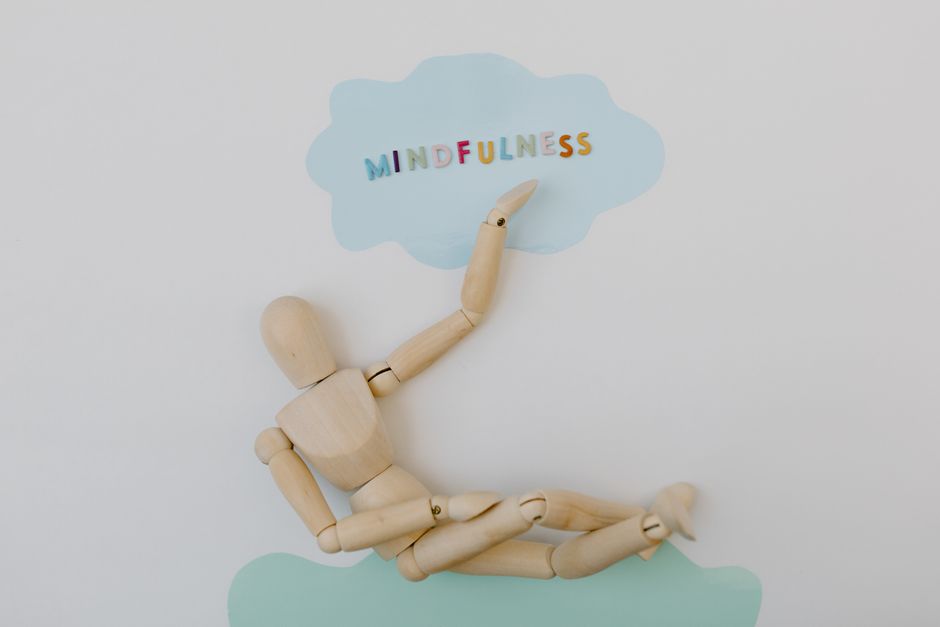
Two actions that can reduce stress and anxiety are slow breathing and regular physical activity. Slow breathing calms the body’s stress response within minutes by activating the parasympathetic nervous system. Regular movement lowers baseline anxiety over weeks by changing how the brain and body handle stress hormones. One works fast. The other works slowly. Together they cover both the moment of panic and the long grind of daily worry.
Neither is a cure. Neither replaces professional care for an anxiety disorder. But both are backed by real physiology, cost nothing, and can start today.
Why These Two Actions and Not Others?
Most stress advice asks you to change your thoughts. That works for some people, but it skips the body entirely. Anxiety lives in the body as much as the mind. A racing heart, tight chest, and shallow breath are not just symptoms. They feed the feeling.
Breathing and exercise interrupt that loop from two directions. Breathing acts on the nervous system in real time. Exercise reshapes the stress response over time. One is a brake pedal. The other is a tune-up.
This matters because the two problems people describe as “stress” are actually different. There is the acute spike — the surge before a presentation, the 3 a.m. wake-up with a pounding heart. And there is the chronic background hum that never quite turns off. A single technique rarely handles both. These two do.
How Does Slow Breathing Reduce Stress and Anxiety?
Slow breathing works because of a direct physical connection between your lungs and your nervous system. Every time you inhale, your heart rate speeds up slightly. Every time you exhale, it slows down. This is called respiratory sinus arrhythmia, and it is not a metaphor. It is measurable on an EKG.
When you breathe slowly, and especially when you make your exhales longer than your inhales, you spend more time in the heart-slowing phase. That shift signals safety to the brain. The vagus nerve — the main highway of the parasympathetic nervous system — carries that signal. Heart rate drops. Blood pressure tends to follow. Muscles that were braced begin to release.
The key is the exhale. A long, slow exhale is the active ingredient. Many people instinctively gasp and hold their breath when anxious, which does the opposite.
A Simple Practice
You do not need an app or a device. Try this:
- Sit comfortably and let your shoulders drop.
- Breathe in through your nose for a slow count of four.
- Breathe out through your mouth for a slow count of six to eight.
- Repeat for about five minutes, or until the edge comes off.
Slower is better than deeper. Forcing big breaths can make some people feel dizzy or more anxious. If that happens, breathe normally and just lengthen the exhale.
This is not a trick. Research on slow breathing and heart rate variability — a marker of how well the nervous system adapts — consistently shows that slower breathing shifts the body toward a calmer state. The effect on a single anxious moment can be felt in minutes. The effect on an anxiety disorder is smaller and usually needs to be combined with other care.
How Does Physical Activity Reduce Stress and Anxiety?
Exercise lowers anxiety through several pathways at once, which is part of why it works. During and after movement, the body releases endorphins and endocannabinoids — natural compounds that lift mood and ease tension. Levels of the stress hormones cortisol and adrenaline tend to fall. Sleep improves, and better sleep alone reduces anxiety.
There is also a slower change. Regular activity appears to change how the brain responds to threat. Some studies using brain imaging suggest that people who exercise regularly show a calmer response in the amygdala, the brain’s alarm system. The evidence here is promising but not fully settled. What is well established is that people who move regularly report lower anxiety on average than people who do not.
The type of exercise matters less than most people think. A brisk walk counts. So does swimming, cycling, dancing, or gardening. The best activity is the one you will actually repeat.
How Much and How Often?
Federal physical activity guidelines for adults recommend at least 150 minutes of moderate-intensity aerobic activity per week, plus muscle-strengthening activity on two or more days. That works out to about 30 minutes on most days, and it can be broken into shorter blocks.
For anxiety specifically, even a single session of moderate exercise can take the edge off for a few hours. The bigger benefits come from consistency over weeks and months. Starting small is fine. A 10-minute walk is a real starting point, not a compromise.


Which One Should You Use, and When?
You do not have to choose. They solve different problems.
| Action | Best For | How Fast It Works |
|---|---|---|
| Slow breathing | Acute spikes, panic, trouble sleeping | Minutes |
| Physical activity | Ongoing background anxiety, mood, sleep | Weeks to months |
Use breathing when your body is already revved up. Use movement to keep your baseline lower so the spikes happen less often and hit less hard. If you can only remember one, remember the exhale — it is available anywhere, in a meeting, on a bus, in bed at 2 a.m.
What If These Two Actions Are Not Enough?
For mild, everyday stress, breathing and movement often help. For an anxiety disorder — persistent worry that interferes with work, relationships, or sleep — they are supportive tools, not treatment. That distinction matters.
Anxiety disorders are common and treatable. Talk therapy, particularly cognitive behavioral therapy, has strong evidence behind it. So do certain medications, which a doctor can discuss. If anxiety is keeping you from functioning, or if you have thoughts of harming yourself, reach out to a professional or a crisis line right away. You do not have to manage this alone.
It is also worth knowing that some physical conditions can mimic or worsen anxiety, including thyroid problems, heart rhythm issues, and low blood sugar. If anxiety symptoms are new, severe, or unusual for you, a medical check is reasonable.
Can You Combine Them for Better Results?
Yes, and the combination is where the real value sits. Breathing handles the moment. Movement lowers the background. Used together, they can create a feedback loop in your favor: less anxiety makes it easier to move, and moving makes you less anxious.
A practical pattern many people find workable:
- Five minutes of slow breathing when you wake up or before bed.
- A daily walk, even a short one, ideally outdoors.
- Slow breathing in the moment when stress spikes.
- Longer or more vigorous activity a few times a week if you can.
None of this requires equipment or expense. It requires repetition. The benefits build through consistency, not intensity.
One clarification worth making: these actions are not a substitute for addressing the sources of stress in your life. If a job, a relationship, or a financial situation is the root, breathing and exercise can help you cope but will not fix the cause. They lower the water level. They do not remove the leak.
Frequently Asked Questions
What are the two actions that can reduce stress and anxiety?
Slow breathing and regular physical activity. Slow breathing calms the nervous system within minutes, while regular exercise lowers baseline anxiety over weeks.
How long does slow breathing take to work?
The calming effect can often be felt within a few minutes of slow, exhale-focused breathing. It is best used in the moment for acute stress rather than as a long-term fix on its own.
How much exercise do I need to reduce anxiety?
Federal guidelines recommend at least 150 minutes of moderate activity per week for adults. Even a single session can ease anxiety for a few hours, but consistent activity over weeks produces the larger benefit.
Can breathing and exercise replace therapy or medication?
No. For a diagnosed anxiety disorder, these actions are supportive tools, not treatment. Therapy and medication have strong evidence, and a doctor or mental health professional can guide care.
