
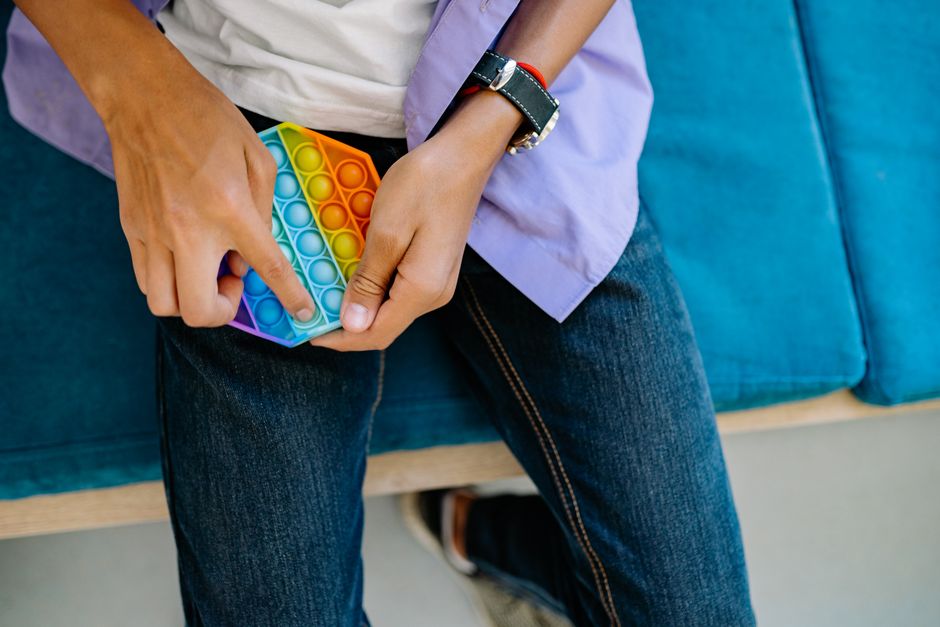
The best toys for ADHD aren’t about keeping a child quiet. They are about giving the brain the right kind of input so it can focus. For many people with ADHD, fidgeting is not a distraction — it is a way to regulate attention. The right sensory toy provides just enough stimulation to help the brain filter out background noise. Think of it as a dimmer switch for the nervous system. You want a toy that calms without hypnotizing and engages without overloading. Not every fidget works for every person. The trick is matching the toy to the specific sensory need.
What Makes a Toy Good for ADHD in the First Place?
A toy that works for ADHD does not require sustained visual focus. It does not tell a story or have a right answer. It exists to be manipulated in a repetitive, low-stakes way. Research published in the Journal of Abnormal Child Psychology found that children with ADHD who engaged in physical movement — like swinging or tapping — performed better on tasks requiring concentration. The movement helped regulate their arousal levels.
The best toys are tactile, quiet, and portable. They give the hands something to do so the brain can pay attention to something else. This is called “sensory substitution.” You are not fighting the urge to move. You are channeling it into something that does not disrupt the main task.
Avoid toys that require rules, screens, or complex sequences. Those demand attention themselves. A good ADHD fidget is almost boring on its own. Its value is in the background hum it provides.
What Toys Are Good For Adhd Fidgets Sensory More?
Here is a breakdown by the type of sensory input they provide. Most people with ADHD respond best to one or two of these categories.
| Sensory Input Type | Best Toy Examples | Why It Works |
|---|---|---|
| Proprioceptive (deep pressure) | Weighted lap pads, stretchy fabric tubes, therapy putty | Provides grounding input that calms the nervous system |
| Tactile (texture) | Nubby silicone rings, textured stones, woven fidget cubes | Gives the hands a small, interesting surface to explore |
| Auditory (sound) | Clicking fidgets, crinkle pouches, quiet spinners | Provides a predictable rhythm that can help focus |
| Oral motor | Chewelry, silicone necklace pendants, smooth stones | Oral input is deeply regulating for many people |
| Visual (movement) | Sand timers, liquid motion bubblers, spinning discs | Provides a calming visual focus without requiring reading or thinking |
Proprioceptive input is often the most effective for ADHD. It involves the joints and muscles — pushing, pulling, squeezing. A study from the American Journal of Occupational Therapy found that proprioceptive activities improved attention and reduced hyperactivity in children with ADHD more than tactile input alone. A simple stretchy band between the legs of a chair or a piece of therapy putty in the hand can make a real difference.
Do Fidget Toys Actually Improve Focus or Just Distract?
This is the most common concern from parents and teachers. The answer depends on the toy and the person. A 2021 study from the Journal of Attention Disorders found that children with ADHD who used a simple fidget cube during a listening task performed better than those who sat still. The key was that the fidget was automatic — it did not require visual attention.
When a fidget toy is too interesting — bright lights, loud sounds, complex shapes — it becomes the main event. That defeats the purpose. The toy should be something you can manipulate without looking at it. A smooth river stone, a piece of soft fabric, or a silicone ring are better than a flashing spinner.
Some people report that fidgeting actually helps them listen more carefully. There is some evidence for this. The brain’s motor cortex is close to the attention networks. Light movement may help keep the attention system online. But it is individual. Some people find movement distracting. The only way to know is to test one toy at a time in a low-pressure setting.



What Kind of Sensory Toy Is Best for Sleep or Overstimulation?
When the brain is overstimulated, the goal is not more input. It is deep, predictable, calming input. For ADHD, bedtime can be hard because the brain is still running at full speed. The right sensory toy can help shift it into a rest state.
Weighted blankets are the most studied tool here. A 2020 review in the Journal of Sleep Research found that weighted blankets improved sleep quality in adults with anxiety and ADHD by providing deep pressure stimulation. The weight signals the body to release serotonin and lower cortisol.
For overstimulation during the day, a small vibrating massager or a handheld pulse massager can work. The vibration provides a steady, predictable input that can override chaotic sensory information. Some people use a vibrating pillow or a small massager on their lap during a stressful meeting or class. It is discreet and effective.
Oral motor toys also help here. Chewing on a silicone pendant or a smooth stone can be deeply calming. It activates the same nervous system pathways that breastfeeding or thumb-sucking activated in infancy. For some adults, a piece of hard candy or gum works the same way.
What Are Common Mistakes People Make When Choosing Fidget Toys?
The biggest mistake is buying a toy that looks fun instead of one that feels right. A toy that lights up, plays music, or has moving parts is entertainment, not regulation. It will compete for attention rather than support it.
Another mistake is assuming one toy works for all situations. A weighted lap pad is great for sitting in class or at a desk. It is terrible for walking around or playing outside. A stretchy fabric tube is good for carrying in a pocket. A large therapy putty is not. Think about where and when the toy will be used before buying it.
Some people also give up too fast. It can take several tries to find the right sensory match. A toy that feels strange at first might become a favorite after a week. The opposite is also true. A toy that seems perfect might stop working after a few days. That is normal. The brain adapts. Having a small collection of different types of input is better than relying on one.
Finally, do not force a toy on someone. If a child or adult does not like a particular texture or sound, respect that. Sensory preferences are real and not negotiable. The goal is comfort and regulation, not compliance.
How to Test a Fidget Toy Before Buying It
You cannot judge a sensory toy from a photo. The feel, weight, texture, and sound matter more than the appearance. If possible, touch the toy before buying it. Many online stores have generous return policies for this reason.
Here is a quick checklist to evaluate any potential fidget toy:
- Can you use it without looking at it? If no, it is too distracting.
- Is it quiet enough for a classroom or office? If no, save it for home.
- Does it fit in a pocket or pencil case? If no, it will get left behind.
- Does it feel good in your hand? If it is unpleasant to touch, you will not use it.
- Can you use it for more than two minutes without getting bored? If yes, it might be too engaging. A good fidget is slightly boring.
Another useful test is the “conversation test.” Use the toy while talking to someone. If you can hold a normal conversation without pausing to look at the toy, it is a good fit. If you find yourself distracted by the toy, it is not right.
For children, let them choose from a small set of options. Give them two or three toys that meet the criteria above and let them pick. Ownership over the choice increases the chance they will actually use it.
Frequently Asked Questions
Can fidget toys make ADHD symptoms worse?
Yes, if the toy is too visually or audibly stimulating. The wrong toy can pull attention away from the task instead of supporting it. Stick to simple, quiet, tactile toys.
Are weighted blankets safe for children with ADHD?
Weighted blankets are generally safe for children over three years old when used correctly. The weight should be about 10 percent of the child’s body weight. Always check with a pediatrician first.
What is the best fidget toy for adults with ADHD?
Adults often prefer discrete options like a smooth stone, a silicone ring, or a small piece of therapy putty. The key is something that fits in a pocket and makes no noise.
Do fidget spinners actually help with ADHD?
Fidget spinners are among the least effective fidgets for ADHD. They require visual attention and can be noisy. Simple tactile toys generally work better.
