
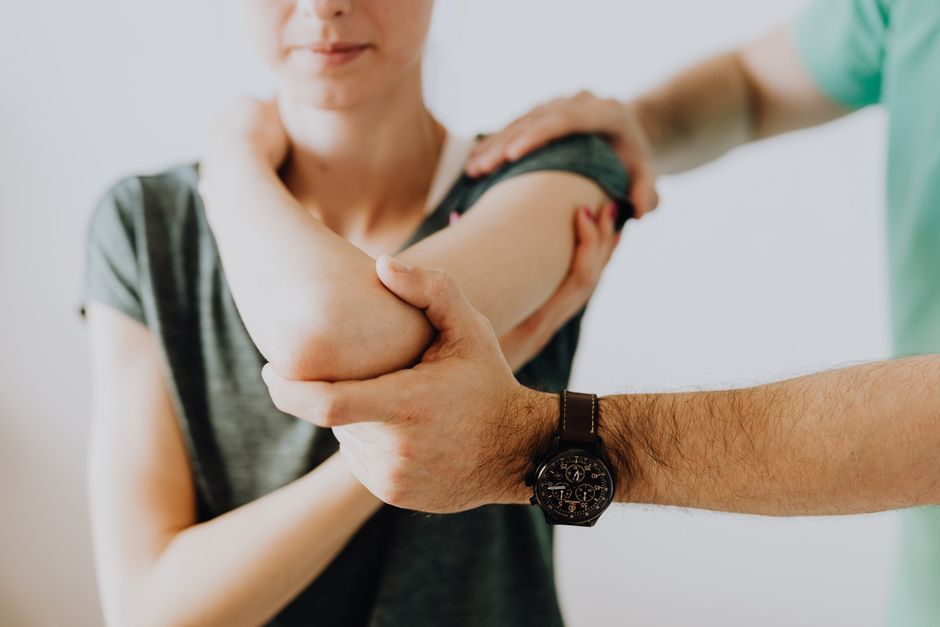
Wear loose, stretchy clothing you can move in without restriction — athletic shorts or leggings and a soft t-shirt are the standard choice. Your physical therapist will need to see how your lower back and hips move, and may need to touch the area or place hands-on for treatment. Clothing that lets them do that easily makes your session smoother and saves time. The best outfit is one you can bend, twist, and lie down in without fussing with it.
What To Wear To Physical Therapy For Lower Back Pain?
Comfortable athletic wear is the practical answer. Think moisture-wicking fabric, an elastic waistband, and a top that won’t ride up when you lie on your back or stomach.
Lower back pain therapy usually involves a mix of movement assessment, manual therapy, and exercise. Your therapist needs to watch your spine and pelvis as you move. Baggy clothing that hides your lower back can get in the way. So can tight clothing that restricts your hips.
The sweet spot is clothing that is loose enough to move in but not so loose it hides your body mechanics. A fitted but stretchy top and athletic bottoms work well for most people.
Why Does Clothing Matter At Physical Therapy?
Your physical therapist is assessing movement, not just asking how you feel. They watch how your pelvis tilts, how your spine bends, and whether one hip moves differently than the other. Clothing that blocks that view makes their job harder.
Many lower back assessments involve lying face down, face up, or on your side. Some involve gentle hands-on pressure on the muscles beside your spine or your hip joints. A waistband that sits low and a shirt that lifts easily let your therapist work without asking you to change.
There is also a practical side. Sessions are often scheduled back to back. If you spend five minutes adjusting your clothing, that is five minutes less for treatment. Dressing right means more of your appointment goes toward the work that helps.
What Specific Clothing Works Best For Lower Back Sessions?
Start with bottoms that have an elastic waist and stretch. Athletic shorts, leggings, or joggers all work. Avoid stiff jeans, dress pants, or anything with a tight belt. A waistband that digs in is uncomfortable when you lie on your stomach.
For tops, a fitted t-shirt or a light athletic top is ideal. Something that stays in place when you move is better than a loose tank that shifts. If you tend to feel cold in air-conditioned clinics, a light layer you can remove works well.
Here is a simple comparison to help you decide:
- Best: Stretchy athletic shorts or leggings, fitted t-shirt, supportive sneakers
- Works fine: Joggers, soft sweatpants with an elastic waist, a light athletic top
- Avoid: Jeans, stiff trousers, tight belts, restrictive shapewear, loose skirts
Shoes matter too. Most clinics ask you to wear supportive athletic shoes, and some ask you to remove them. Closed-toe sneakers with good support are the safe default.
What About Underwear And Personal Comfort?
Wear underwear you are comfortable being seen in. Some lower back and hip assessments involve your therapist viewing or working near your hip and lower back. You will usually stay fully clothed, but a comfortable, modest choice avoids any awkwardness.
If you feel uneasy, you can always ask your therapist what the session will involve before you change. Good therapists explain what they are doing and why. You are allowed to ask questions and to keep clothing on that you prefer.
Some people bring a change of clothes to their first visit. That is a reasonable habit if you are coming from work or an event where you are dressed formally.
Should You Bring Anything Else?
A few small items make sessions easier. Bring a water bottle, since movement and exercise can be thirsty work. Bring any imaging reports or referral paperwork your therapist asked for.
If your therapist has given you a home exercise program, bring any props they recommended, such as a resistance band or a small ball. Some clinics provide these, so ask first.
A light jacket or layer is worth having. Clinics are often cool, and you may be still for parts of the session during hands-on treatment.
Does Clothing Change For Different Types Of Back Pain?
Not much. The same comfortable athletic wear works whether your pain is in the lower back, the hip, or the pelvis. The general principle holds: your therapist needs to see and access the area, and you need to move freely.
If your therapist plans to use treatments like heat, cold, or electrical stimulation on your lower back, they will need access to the skin in that area. A top that lifts or a waistband that sits low makes this simple.
If you are unsure what a specific session will involve, call the clinic ahead of time and ask. Staff answer this question often and can tell you exactly what to wear.
What If You Forget Or Wear The Wrong Thing?
It is not a problem. Clinics deal with this regularly. Your therapist will work around your clothing or offer a gown or shorts to borrow.
Wearing the wrong thing does not ruin your session. It may just mean a small adjustment. The important thing is that you show up and do the work.
The goal of physical therapy for lower back pain is steady progress through movement, strengthening, and guidance. Clothing is a small detail that makes that progress easier, not a requirement you need to stress over.
Frequently Asked Questions
Can I wear jeans to physical therapy for lower back pain?
You can, but jeans limit movement and make it harder for your therapist to assess your lower back and hips. Stretchy athletic bottoms are a better choice for most sessions.
Do I need to bring shorts to my first physical therapy visit?
It helps, especially if your lower back or hips will be assessed. Many clinics provide shorts if you forget, but bringing your own athletic shorts or leggings is the simplest option.
Should I wear shoes or take them off at physical therapy?
Wear supportive athletic shoes, since some clinics ask you to keep them on for certain exercises. Others ask you to remove them, so a clean, comfortable pair works either way.
What should I wear if I’m coming straight from work?
Bring a change of clothes, or choose work attire that stretches and has an elastic waist. A quick change before your session keeps you comfortable and lets your therapist work without restriction.
