
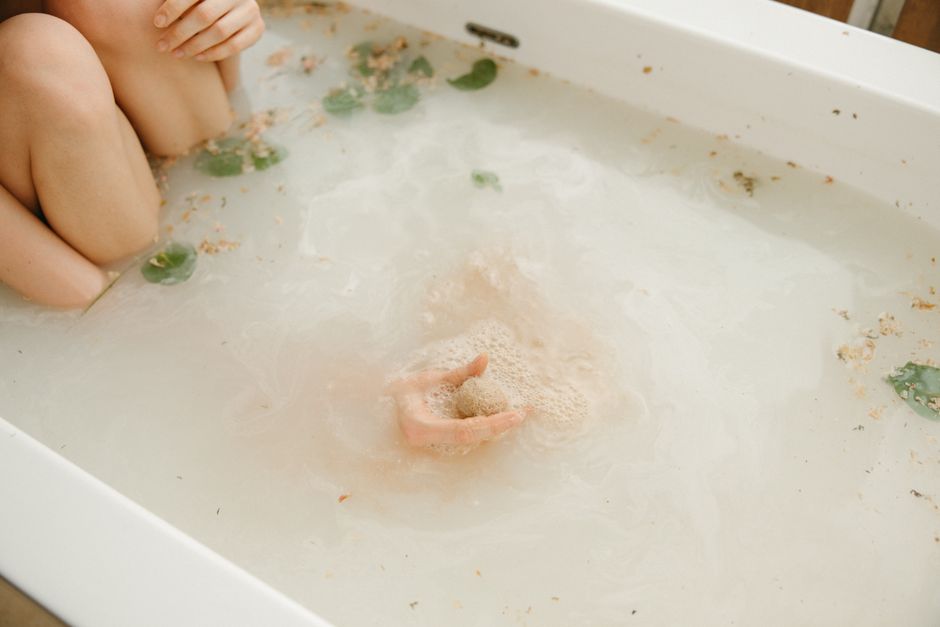
Bubble bath is one of the most common causes of irritated skin in the tub, and the fix is usually simpler than people expect. For sensitive skin, the best substitutes are fragrance-free colloidal oatmeal soaks, plain lukewarm water with a small amount of fragrance-free bath oil, or a mild syndet (synthetic detergent) wash used sparingly. These options clean without stripping the skin barrier or leaving soap residue behind.
The reason bubble bath causes problems is not a mystery. The ingredients that create thick foam — surfactants and added fragrance — are the same ones most likely to irritate skin that is already reactive. Swap the foam for something gentler and most people notice a difference within a few baths.
Why Does Bubble Bath Irritate Sensitive Skin?
Bubble bath works by lowering the surface tension of water so air gets trapped and foam forms. The chemicals that do this are surfactants, and they do not distinguish between dirt and the oils your skin needs.
Your skin’s outer layer, the stratum corneum, is held together by lipids — ceramides, cholesterol, and fatty acids — that form a barrier against water loss and outside irritants. Surfactants lift those lipids out. Soak in a foamy tub long enough and the barrier thins, moisture escapes, and irritants get in more easily.
Fragrance makes it worse. Fragrance is the single most common cause of allergic contact dermatitis from cosmetics, and bubble bath products tend to be heavily scented. “Natural” fragrance oils like lavender or citrus are not automatically safer — they can trigger reactions too.
Other common ingredients in bubble bath add to the problem:
- Foaming agents (often sodium laureth sulfate and related compounds)
- Synthetic dyes, which serve no purpose except color
- Preservatives such as methylisothiazolinone, a known sensitizer
- pH adjusters that push the water away from skin’s natural slightly acidic pH
None of this means bubble bath is dangerous for everyone. Most people with normal skin tolerate it fine. The issue is specific to skin that is already reactive, dry, or prone to eczema and dermatitis.
What Is The Best Bubble Bath Alternative For Sensitive Skin?
Colloidal oatmeal is the most evidence-supported option for itchy, irritated skin. It is finely ground oat that suspends in water and leaves a soothing film on the skin. The FDA recognizes colloidal oatmeal as a skin protectant, which is a rare regulatory endorsement for a bath additive.
To use it, add a few tablespoons of finely ground colloidal oatmeal to a warm — not hot — bath and stir until it disperses. You can also buy it already milled. The water will look cloudy rather than foamy. That is the point.
Fragrance-free bath oil is a strong second option. A small amount added to the tub leaves a thin lipid layer that helps offset what the water pulls out. Look for short ingredient lists and no added scent. Some people find plain oils too slippery for safety, so a bath mat matters here.
For cleansing, a mild fragrance-free syndet bar or liquid cleanser works better than traditional soap. Syndets are made with synthetic surfactants that are formulated to be less disruptive to skin pH and barrier lipids than true soap. “Soap-free” and “fragrance-free” on the label are the two phrases worth looking for.
Plain lukewarm water alone is also a legitimate option. If your skin is flaring, sometimes the best bath is just water — no additives at all.
Are Bath Bombs And Bath Salts Any Better?
Bath bombs are usually not better. They are essentially compressed baking soda, citric acid, fragrance, and dye. The fizz is a chemical reaction, not a skin benefit. Many contain the same fragrance and dye ingredients that make bubble bath a problem in the first place.
Bath salts are a different category. Epsom salt (magnesium sulfate) and plain mineral salts do not foam and do not contain surfactants. Some people find them soothing for muscle soreness. The evidence that magnesium absorbs through skin in meaningful amounts is weak — the relaxation benefit is more likely from the warm water itself.
Plain, unscented Epsom salt is generally better tolerated than a fragranced bath bomb. But salt water can still sting broken or cracked skin, so it is not the right choice during a flare.


How Should You Take A Bath If Your Skin Is Sensitive?
What you put in the water matters, but so does how you bathe. A few adjustments make a real difference.
Keep the water lukewarm. Hot water speeds up lipid loss and increases itch. The American Academy of Dermatology generally advises short baths and showers with lukewarm water for people with dry or sensitive skin.
Limit bath time. Long soaks, even in plain water, gradually break down the barrier. A short bath is gentler than a long one.
Skip the washcloth and loofah. Physical exfoliation on reactive skin causes more harm than good. Hands are enough.
Pat dry instead of rubbing, and apply a fragrance-free moisturizer within a few minutes while skin is still damp. This is the step most people skip, and it is the one that does the most to protect the barrier. Moisturizer seals in water that is already there; it does not add water on its own.
If you use any bath product, do a patch test first. Apply a small amount to your inner forearm, wait a day, and check for redness or itching before using it in a full bath.
When Should You See A Doctor Instead Of Switching Products?
If your skin does not improve after you remove fragranced bath products, the problem may not be the bubble bath at all.
Persistent itching, redness, scaling, or cracking can point to eczema, contact dermatitis, psoriasis, or another condition that needs actual treatment rather than a product swap. A dermatologist can identify what is driving the reaction and whether prescription treatment is warranted.
See a doctor if you notice:
- Rashes that spread or do not fade with gentle care
- Skin that is broken, weeping, or crusting
- Signs of infection — warmth, swelling, pus, or fever
- Itching that interferes with sleep
- Reactions that appear suddenly or affect large areas
Children with sensitive skin deserve extra caution. Their skin barrier is thinner and more permeable, and reactions can escalate faster. If a child develops a rash after a bath, stop using the product and check with a pediatrician before trying anything new. No clinical guidelines exist for how much colloidal oatmeal or bath oil is appropriate for infants, so if you are bathing a baby, plain lukewarm water is the safest default.
What Ingredients Should You Avoid In Bath Products?
Reading labels is the most reliable way to avoid a reaction. The same ingredients show up across bubble baths, bath bombs, and shower gels.
Watch for these on the ingredient list:
- Fragrance or parfum — the leading cause of cosmetic contact allergy
- Essential oils marketed as natural scent (lavender, citrus, peppermint)
- Sulfate surfactants like sodium laurel sulfate and sodium laureth sulfate
- Methylisothiazolinone and methylchloroisothiazolinone preservatives
- Synthetic dyes listed as FD&C colors or “CI” numbers
- Alcohol denat, which can be drying in leave-on and rinse-off products
Terms like “gentle,” “natural,” and “dermatologist-tested” are marketing language, not regulated claims. “Fragrance-free” is more meaningful than “unscented,” because unscented products can still contain masking fragrance. If a label says fragrance-free, that is a stronger signal.
One clarification worth knowing: products labeled “hypoallergenic” do not have a standard legal definition in the US. The term suggests fewer likely allergens, but it does not guarantee anything. The ingredient list is the only thing that tells you what is actually in the bottle.
Frequently Asked Questions
What can I use instead of bubble bath for sensitive skin?
Fragrance-free colloidal oatmeal, a small amount of fragrance-free bath oil, or a mild syndet cleanser are the best substitutes. Plain lukewarm water alone is also fine if your skin is flaring.
Is Epsom salt safe for sensitive skin?
Plain unscented Epsom salt is generally better tolerated than fragranced bath products, but it can sting cracked or broken skin. Avoid it during an active flare.
Can kids with sensitive skin use bubble bath?
It is best avoided for children with reactive or eczema-prone skin, since their skin barrier is thinner and more permeable. Plain lukewarm water is the safest option for babies and young children.
How do I know if a bath product is causing my rash?
Stop using all fragranced and foaming bath products for a few weeks and see whether the rash improves. If it does not, see a dermatologist, since other conditions can cause similar symptoms.
