
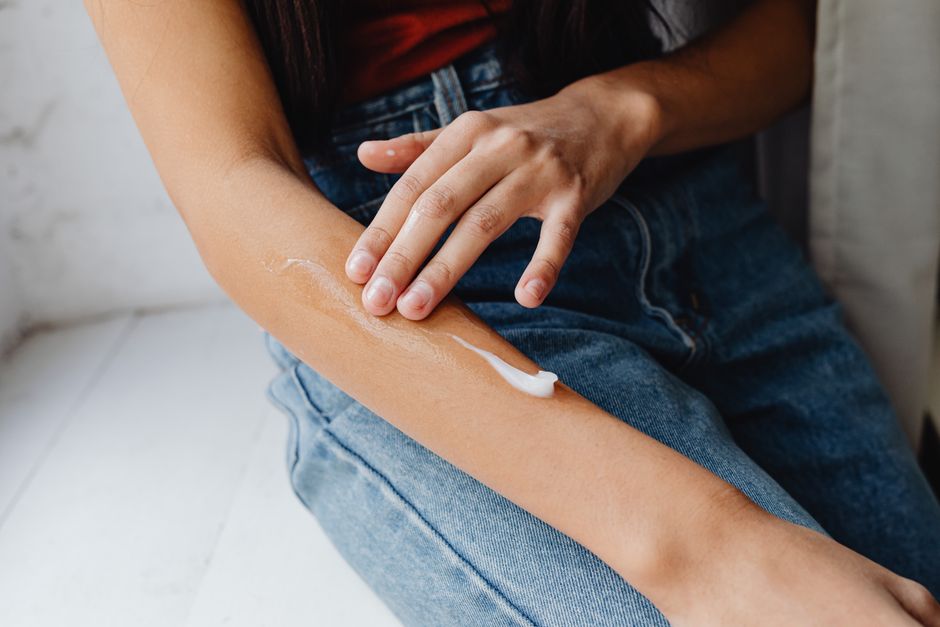
Itchy skin is one of the most common reasons people visit a doctor, and the right fix depends entirely on what is causing the itch. For most everyday dryness, a thick fragrance-free moisturizer applied right after bathing is the first line of defense. For persistent itching, an over-the-counter hydrocortisone cream can calm mild inflammation, but it should not be used on broken skin or for long stretches without medical advice. If the itch is severe, widespread, or keeps you up at night, see a clinician rather than guessing at stronger treatments.
Why Does Skin Itch in the First Place?
Itching is a specific sensation, separate from pain. It happens when nerve endings in the skin are stimulated by something — histamine from an allergic reaction, dryness that cracks the skin barrier, or chemicals released during inflammation. The brain receives that signal and produces the urge to scratch.
Scratching feels good for a moment because it briefly overrides the itch signal with a pain signal. But scratching damages the skin, which triggers more inflammation, which makes the skin itch more. That itch-scratch cycle is why the most effective treatments do two things: calm the inflammation and repair the skin barrier.
Dry skin is the most common trigger. When the outer layer of skin loses moisture and its natural oils, the barrier becomes cracked and leaky. Water escapes, irritants get in, and nerve endings become more sensitive. This is why winter air, hot showers, and harsh soaps all make itching worse.
What To Use For Itchy Skin: The Basics That Work
For mild to moderate itching without a rash, thick moisturizers are the foundation of treatment. Lotions are mostly water and evaporate quickly. Creams and ointments contain more oil and do a better job of trapping moisture in the skin. Ointments like petroleum jelly are the most effective at sealing the barrier, though some people find them too greasy for daytime use.
The timing matters as much as the product. Apply moisturizer within three minutes of stepping out of the bath or shower, while the skin is still damp. This traps water in the skin rather than letting it evaporate. One application a day is rarely enough. Twice daily is typical for dry skin, and some people with very dry skin need more.
Look for fragrance-free products. Fragrance is a common irritant, even in products labeled for sensitive skin. The fewer ingredients, the fewer chances for a reaction. Ceramides, glycerin, and hyaluronic acid are well-studied ingredients that help restore the skin barrier.
Colloidal oatmeal is another option with real evidence behind it. It contains compounds that have anti-inflammatory properties and can soothe irritated skin. It is available as a bath additive or in creams. Some research supports its use for mild eczema and dry skin, though it is not a replacement for medical treatment when itching is severe.
When Over-the-Counter Creams Are the Right Call
Hydrocortisone cream 1% is the standard over-the-counter steroid for itching. It works by reducing inflammation in the skin, which in turn reduces the itch signal. It is effective for insect bites, mild allergic reactions, and small patches of eczema.
Use it sparingly. A thin layer on the affected area once or twice a day is the typical approach. Do not use it on the face, groin, or armpits without medical supervision — the skin there is thinner and absorbs more. Do not use it on broken or infected skin. If the area is oozing, crusted, or warm to the touch, that suggests an infection and needs a clinician’s opinion.
Over-the-counter hydrocortisone is not meant for long-term use. If two weeks of daily use has not resolved the problem, stop and see a doctor. Prolonged steroid use thins the skin and can cause other complications.
Antihistamines are a different tool. Oral antihistamines like diphenhydramine (Benadryl) block histamine, the chemical released during allergic reactions. They work well for hives and allergic itches. Some, especially the older ones, cause drowsiness, which can actually help people sleep through nighttime itching. Newer antihistamines like cetirizine or loratadine are less sedating but may be less effective for itch. Antihistamines do not help much with dry skin or eczema, because those itches are not driven by histamine.





What Not To Use — and Why
Some popular remedies do more harm than good. Rubbing alcohol, hydrogen peroxide, and bleach are all too harsh for intact skin and can worsen irritation. Witch hazel and other astringents dry the skin further, which can make the itch worse in the long run.
Essential oils are a particular concern. They are frequently marketed as natural remedies for skin problems, but many are potent skin sensitizers. Tea tree oil, lavender oil, and citrus oils are all known to cause allergic contact dermatitis in some people. Applying them to already irritated skin risks turning a simple itch into a full-blown rash.
There is also the question of “itch relief” creams that contain numbing agents like benzocaine. These work by temporarily blocking nerve signals in the skin. They can be effective for very localized itching, but they carry a risk of allergic reactions and should not be used on large areas or on broken skin.
When Itching Is a Sign of Something Else
Not all itching is a skin problem. Sometimes the skin is perfectly normal-looking but still itches intensely. This is called pruritus without a rash, and it can point to internal conditions.
Liver disease, kidney disease, thyroid problems, and iron deficiency anemia can all cause generalized itching. So can certain blood disorders and some medications. Dry skin is the most common cause of itching in older adults, but it is not the only cause.
If the itch lasts more than two weeks, covers your whole body, or comes with fatigue, weight loss, or fever, get medical evaluation. Itching that appears during pregnancy also warrants a call to an obstetrician, as some pregnancy-related liver conditions present with itch.
There are also skin conditions that need prescription treatment. If you have a rash that does not respond to moisturizer and hydrocortisone, or if the rash is spreading, a dermatologist can identify the specific condition and prescribe something targeted. Psoriasis, fungal infections, and scabies all look similar to the untrained eye but require completely different treatments.
Practical Habits That Prevent Itching
Bathing habits matter more than most people realize. Hot water strips the skin of its natural oils. Warm or lukewarm water is better for itchy skin. Limit showers to 10 minutes or less. Skip the loofah and washcloth — hands are gentler.
Soap is another common culprit. Most conventional soaps are alkaline and disrupt the skin’s natural acidic pH. Syndets, or synthetic detergent bars, are milder and less likely to dry the skin. Look for “soap-free” or “gentle cleansing bar” on the label. Avoid antibacterial soaps, which are harsher and have no proven benefit for everyday use.
Pat skin dry with a towel rather than rubbing. Rubbing removes moisture and irritates the surface layer. Then apply moisturizer while the skin is still damp.
Clothing can also trigger itch. Wool and synthetic fabrics are common irritants. Cotton is the safest choice for sensitive skin. New clothes should be washed before wearing to remove finishing chemicals and dyes that can irritate.
Humidity matters too. Indoor heating in winter dries the air, which dries the skin. A humidifier in the bedroom can make a real difference for people who wake up itchy.
Frequently Asked Questions
Can I use hydrocortisone cream on my face?
No, not without medical supervision. Facial skin is thinner and absorbs more steroid, which raises the risk of thinning and other side effects.
How long does it take for eczema cream to work?
Moisturizers improve dryness immediately but take several days of consistent use to repair the skin barrier. Prescription treatments for eczema typically show improvement within one to two weeks.
Is coconut oil good for itchy skin?
Some evidence suggests virgin coconut oil can improve skin hydration and reduce dryness. However, it can clog pores and cause breakouts on the face or chest, and it is not a substitute for medical treatment of a diagnosed skin condition.
Why is my skin itchy at night?
Body temperature rises during sleep, which can trigger itching, and cortisol levels drop in the evening, which reduces the body’s natural anti-inflammatory response. Dry skin often feels worse at night because there are fewer distractions from the sensation.
