
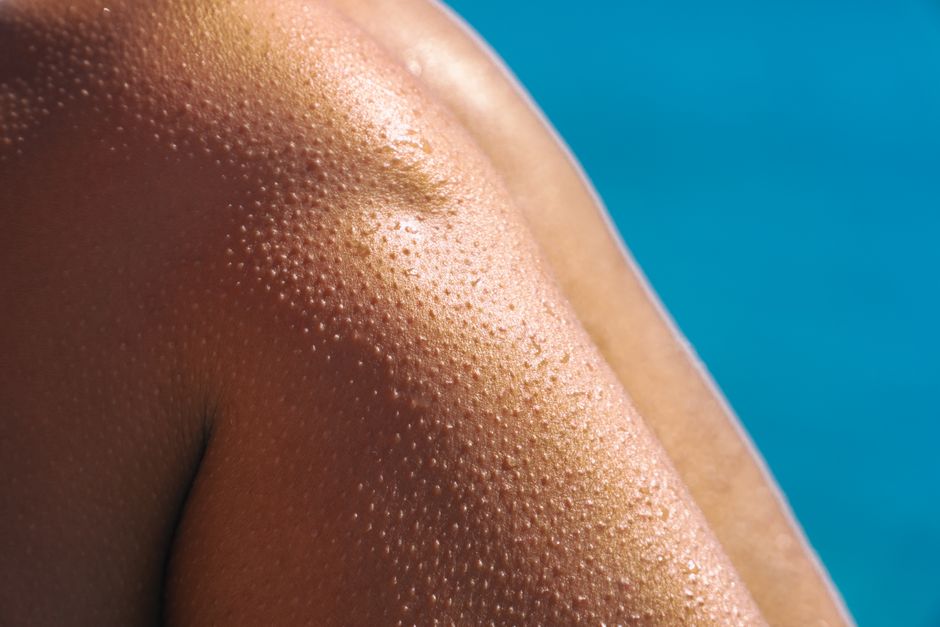
Heat rash — also called prickly heat or miliaria — happens when sweat ducts get blocked and sweat leaks into the skin, causing tiny itchy bumps or prickles. For most cases, the answer is simple: cool the skin, keep it dry, and use lightweight, fragrance-free products. Calamine lotion, colloidal oatmeal, and a cool compress help with itching. Hydrocortisone cream can calm inflammation if the rash is stubborn. Avoid heavy ointments, petroleum jelly, and scented lotions, which trap sweat and make things worse.
What Causes Heat Rash?
Sweat glands sit deep in the skin and connect to the surface through narrow ducts. When those ducts get blocked, sweat can’t escape. It backs up and leaks into nearby tissue, which triggers the small bumps and itching that define heat rash.
Blockage usually comes from a few common things. Hot, humid weather makes you sweat more than your ducts can handle. Tight clothing traps moisture against the skin. Heavy creams and ointments can physically plug the duct openings. So can prolonged bed rest, especially when a person lies on their back for long stretches.
Heat rash shows up most often in skin folds — the neck, armpits, groin, under the breasts, and inside elbow and knee creases. Babies get it frequently because their sweat ducts are still developing. Adults get it too, particularly in hot climates or during intense physical activity.
There is a less obvious cause worth knowing about. Some medications increase sweating as a side effect, and that alone can trigger heat rash in people who never had it before. If a rash appears shortly after starting a new medication, that is worth mentioning to a clinician rather than assuming it is just the weather.
What To Use For Heat Rash?
The most effective approach is removing the conditions that caused it. Get out of the heat. Loosen or remove tight clothing. Let the skin air dry. Most mild heat rash clears on its own within a few hours to a few days once sweating stops and the skin stays cool and dry.
For itching and discomfort, a few over-the-counter options are well established:
- Calamine lotion — a traditional remedy that soothes itching and helps dry the skin. Apply a thin layer as needed.
- Colloidal oatmeal baths or creams — recognized by the FDA as a skin protectant. Useful for widespread itching and irritation.
- Cool compresses — a clean cloth soaked in cool water, applied for short periods, reduces inflammation and itch without adding product to the skin.
- Hydrocortisone cream 1% — an over-the-counter corticosteroid that can reduce inflammation in more persistent cases. It should be used sparingly and for short periods, not as a daily long-term product.
- Zinc oxide-based barrier creams — helpful in skin folds where friction and moisture combine. Use a thin layer, not a thick coating.
What you should not use matters just as much. Heavy ointments, petroleum jelly, thick body butters, and anything fragranced can block sweat ducts further. That includes many “soothing” products marketed for irritated skin. If a product feels occlusive or heavy on the skin, it is the wrong choice for heat rash.
Prescription treatments exist for severe or recurring cases. A clinician may recommend a stronger topical steroid or, in some cases, topical antibiotics if a secondary bacterial infection has developed. Those decisions require an exam — heat rash and bacterial skin infections can look similar at first.
How Long Does Heat Rash Last?
Mild heat rash typically clears within a few hours to a few days once the skin is kept cool and dry. If it persists beyond three or four days despite those measures, something else may be going on.
There are different types of heat rash, and they differ in depth and duration. The mildest form — called miliaria crystallina — produces clear, superficial blisters and usually resolves within hours to a day. Miliaria rubra, the red, itchy type most people picture, involves deeper blockage and can last several days to a couple of weeks. A deeper form called miliaria profunda is less common and can take longer to resolve.
Recurring heat rash in the same spot often points to a fixable trigger — a particular fabric, a skin fold that stays moist, or a product being applied to the area. Changing those conditions usually stops the cycle.





When Should You See a Doctor?
Most heat rash is not dangerous. But certain signs mean it needs medical attention.
- The rash is spreading rapidly or getting significantly worse
- Blisters fill with pus, or the skin feels hot and swollen
- You develop a fever along with the rash
- The rash does not improve after several days of home care
- It keeps coming back in the same area without a clear cause
These signs raise the possibility of a bacterial skin infection, which needs different treatment than heat rash. A clinician can tell the difference with an exam.
One more situation deserves mention. If a person stops sweating in a hot environment and develops confusion, nausea, or a rising body temperature, that is a medical emergency — not heat rash. Heat stroke is a separate and serious condition. Call emergency services.
How Do You Prevent Heat Rash?
Prevention comes down to keeping sweat moving and skin dry. Loose, breathable clothing made from moisture-wicking or natural fibers helps. Cotton works well in dry heat. In humid conditions, synthetic moisture-wicking fabrics often perform better because they pull sweat away from the skin instead of holding it.
Shower or rinse off after sweating heavily, then pat the skin dry rather than rubbing. Pay attention to skin folds. A small amount of cornstarch-based powder can help in those areas, though talc-based powders are generally avoided near the face and in infants due to inhalation concerns.
If you exercise in the heat, change out of damp clothing promptly. Sitting in wet clothes keeps the ducts blocked and prolongs the problem.
For babies, the same principles apply. Dress them in lightweight clothing, avoid overdressing in warm weather, and keep the skin clean and dry. Their smaller sweat ducts make them more prone to blockage, so prevention matters more.
Does Diet or Hydration Affect Heat Rash?
Staying well hydrated supports normal sweating, which is the body’s main cooling mechanism. Dehydration can impair that process, though the link between hydration status and heat rash specifically has not been studied in large trials.
Spicy foods, alcohol, and caffeine can increase sweating in some people. If you notice a pattern between what you consume and when the rash flares, adjusting those triggers may help. That observation is reasonable but not backed by strong clinical evidence.
The more reliable levers remain environmental and topical — heat, clothing, moisture, and what you put on your skin.
Heat Rash vs. Other Skin Conditions
Heat rash can look like several other conditions, and the treatment differs. Getting the identification right matters.
| Condition | Key Features | Typical Location |
|---|---|---|
| Heat rash (miliaria) | Tiny red or clear bumps, prickling or itchy sensation, appears after sweating | Skin folds, neck, chest, groin |
| Contact dermatitis | Red, itchy, sometimes blistered; follows contact with an irritant or allergen | Wherever contact occurred |
| Fungal infection | Often ring-shaped or with a defined border; may have a scaly edge | Groin, feet, skin folds |
| Folliculitis | Bumps centered on hair follicles, sometimes with pus | Anywhere with hair |
A key distinguishing feature of heat rash is its timing. It appears during or shortly after heat exposure and sweating. If a rash appears without that context, or if it has a different pattern, another cause is more likely.
This is why guessing at treatment can backfire. A steroid cream helps heat rash and contact dermatitis but can make a fungal infection worse. Antifungal creams do nothing for heat rash. When the cause is unclear, a clinician’s assessment saves time and prevents the wrong treatment.
Frequently Asked Questions
What is the fastest way to get rid of heat rash?
Get out of the heat, remove tight clothing, and let the skin cool and dry. Most mild cases improve within hours once sweating stops.
Can I use hydrocortisone cream on heat rash?
Yes, 1% hydrocortisone cream can reduce inflammation in persistent cases. Use it sparingly and for short periods only, not as a long-term solution.
Is calamine lotion good for heat rash?
Calamine lotion is a well-established option for soothing itch and helping dry the skin. Apply a thin layer as needed.
What should I avoid putting on heat rash?
Avoid heavy ointments, petroleum jelly, thick body butters, and anything fragranced. These can block sweat ducts and make the rash worse.
