
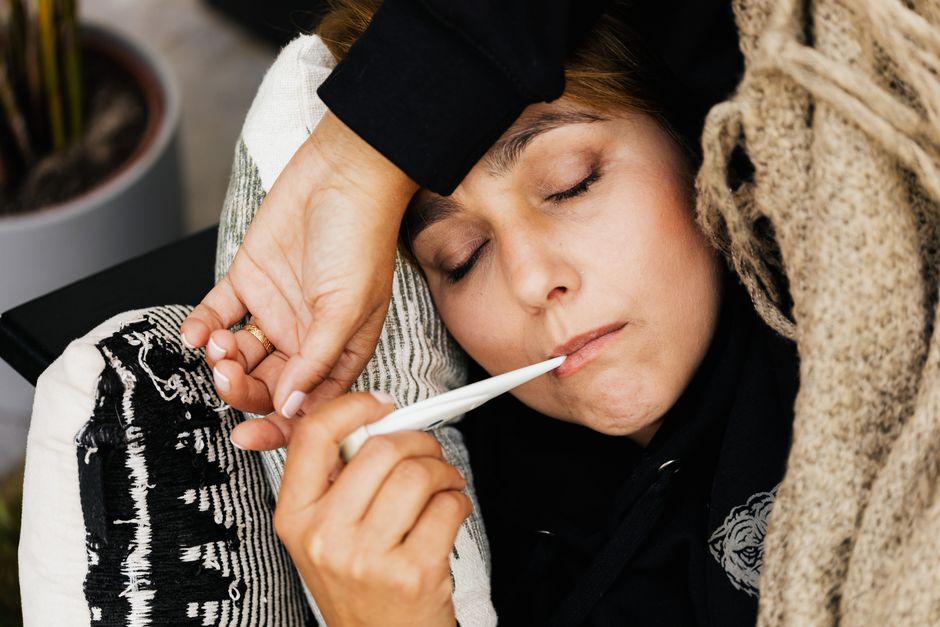
Nothing you take will cure a cold. The common cold is caused by viruses — most often rhinoviruses — and no medication or supplement currently available kills them or shortens the illness in any reliable way. What you can do is manage symptoms while your immune system clears the infection, which usually takes about a week to ten days. The most evidence-backed options are simple: rest, fluids, and over-the-counter medications targeted to your specific symptoms.
What To Take When You Feel A Cold Coming On?
At the first sign of a cold, reach for symptom relief rather than a cure. There isn’t one.
What works depends entirely on what is bothering you most. A sore throat, a runny nose, congestion, and a cough each respond to different approaches. Taking a general “cold medicine” that treats everything often means you’re taking ingredients you don’t need — and sometimes ones that carry risks you don’t want.
Here is what the evidence supports for each common symptom:
- Sore throat: Acetaminophen or ibuprofen for pain. Warm saltwater gargles. Throat lozenges containing menthol or benzocaine.
- Runny nose and sneezing: First-generation antihistamines like diphenhydramine or chlorpheniramine can dry up secretions. They cause drowsiness, which some people find helpful at night.
- Nasal congestion: Oral decongestants like pseudoephedrine reduce swelling in nasal passages. Topical decongestant sprays work faster but should not be used for more than three days in a row.
- Cough: Honey has modest evidence for soothing cough in adults and children over age one. Dextromethorphan is a common over-the-counter cough suppressant.
- Fever and body aches: Acetaminophen or ibuprofen.
None of these shorten the cold. They make the days more bearable while your body does the work.
Does Vitamin C Actually Help a Cold?
Vitamin C does not prevent colds in most people and does not cure them once they start. The research on this is extensive and fairly consistent.
A large body of studies has examined vitamin C and the common cold. For the general population, regular vitamin C supplementation does not reduce the risk of getting a cold. In people under extreme physical stress — such as marathon runners or soldiers in cold environments — it may slightly reduce cold frequency. That is a narrow group.
Taking vitamin C after symptoms begin has not been shown to speed recovery in any meaningful way. Some studies report a modest reduction in how long a cold lasts, but the effect is small and not consistently reproduced.
Vitamin C is still an essential nutrient. Most adults need it for normal immune function and collagen production. You can get enough from food — citrus fruits, bell peppers, broccoli, strawberries. If you take a supplement, it is unlikely to harm you at typical doses. It is also unlikely to help your cold.
What About Zinc and Echinacea?
Zinc has more interesting evidence than vitamin C, but the picture is complicated. Echinacea has been studied for decades with inconsistent results.
Zinc lozenges have been tested for reducing cold duration. Some trials show a shortening of symptoms when zinc is started within the first 24 hours. Other trials show no benefit. The studies vary widely in zinc formulation, dose, and how the lozenges were used. A 2021 review of the evidence concluded that zinc lozenges may reduce cold duration by roughly a day or two in some people, but the quality of evidence is low to moderate.
Zinc lozenges can cause nausea and a metallic taste. Nasal zinc sprays have been linked to loss of smell in some cases, and that side effect has prompted safety warnings in several countries.
Echinacea is a popular herbal remedy. Multiple trials have tested whether it prevents or treats colds. Results have been mixed, and many studies have flaws in design or use different echinacea preparations. No consistent evidence shows that echinacea shortens colds or reduces symptom severity.
If you choose to try zinc lozenges, the evidence is not strong enough to call it a reliable treatment. It is a reasonable option for some people, but it is not a guaranteed fix.





Should You Take Antibiotics for a Cold?
No. Antibiotics do not work against viruses. Colds are viral infections.
Taking antibiotics for a cold does nothing to help you feel better. It does expose you to side effects like diarrhea, yeast infections, and allergic reactions. It also contributes to antibiotic resistance, which is a serious public health problem.
Antibiotics are only appropriate if a bacterial infection develops as a complication — such as a sinus infection, ear infection, or strep throat. Those are different diagnoses and require a medical evaluation.
If your cold symptoms last more than ten days without improving, or if they improve and then suddenly get worse, that can signal a bacterial infection. That is when to see a doctor.
What Home Remedies Have Real Evidence?
Several simple interventions have decent evidence behind them. None cure a cold, but they can ease symptoms.
- Honey: Research suggests honey can reduce cough frequency and severity in adults and children over age one. It coats the throat and may have mild antimicrobial properties. Never give honey to infants under 12 months due to the risk of infant botulism.
- Saltwater gargle: Warm saltwater can temporarily relieve a sore throat. It reduces swelling and loosens mucus. Mix about half a teaspoon of salt in a glass of warm water.
- Steam and humidity: Breathing moist air can loosen nasal congestion. A hot shower or a cool-mist humidifier may help. The evidence is not strong, but it is low-risk.
- Chicken soup: It is not just a cliché. Some research suggests chicken soup may have mild anti-inflammatory effects. It also provides fluids and electrolytes. The effect is modest, but it is comforting and harmless.
- Rest and fluids: These are not treatments for the virus, but they support your body while it fights the infection. Dehydration can make you feel worse. Sleep supports immune function.
None of these will shorten your cold. They can make you more comfortable while it runs its course.
What Should You Avoid When You Have a Cold?
Some common cold remedies carry real risks. Knowing what to skip is as important as knowing what to take.
Do not give aspirin to children or teenagers with a cold or fever. Aspirin use in children during viral illness has been linked to Reye’s syndrome, a rare but serious condition that causes swelling in the liver and brain. This is a well-established risk.
Do not use nasal decongestant sprays for more than three days in a row. Prolonged use causes rebound congestion — your nose becomes more stuffed when the spray wears off, leading to a cycle that is hard to break.
Be careful with multi-symptom cold medicines. They often contain acetaminophen, which is also in many pain relievers. Taking both can lead to accidentally exceeding the safe daily limit, which can cause liver damage. Always check labels.
Do not give over-the-counter cold medicines to children under age four without a doctor’s guidance. The FDA advises against it because of the risk of serious side effects and lack of proven benefit in that age group.
When Should You See a Doctor?
Most colds resolve on their own within about a week to ten days. Some symptoms can linger, especially a cough, which may last two weeks or more.
See a healthcare provider if you experience:
- Symptoms that last more than ten days without improvement
- Fever above 101.3°F (38.5°C) in adults, or any fever in infants
- Shortness of breath, wheezing, or difficulty breathing
- Severe headache or sinus pain
- Symptoms that improve then return worse
- Ear pain or drainage
- Confusion or extreme fatigue
These can signal a bacterial infection, pneumonia, or another condition that needs medical attention. A cold should not make you feel severely ill.
Does Anything Actually Shorten a Cold?
No treatment currently available reliably shortens a cold. The immune system clears the virus on its own timeline.
Zinc lozenges have the most support for possibly reducing duration by a small amount, but the evidence is not consistent. Some studies show benefit; others do not. The research is limited by differences in how zinc was used and what type was tested.
Vitamin C, echinacea, and most other popular remedies have not been shown to shorten colds in well-designed trials. This is not a failure of those products. It reflects how difficult it is to treat viral infections that your body is already equipped to handle.
The honest answer is that colds run their course. What you can control is how you feel while they do.
Frequently Asked Questions
What is the fastest way to get rid of a cold?
There is no fast way to get rid of a cold. Rest, fluids, and symptom relief help you feel better while your immune system clears the virus, usually within seven to ten days.
Does zinc really shorten a cold?
Some studies suggest zinc lozenges may shorten a cold by a day or two if started within 24 hours of symptoms, but results are inconsistent and the evidence quality is low to moderate. Zinc is not a guaranteed treatment.
Should I take vitamin C when I feel a cold coming on?
Vitamin C does not prevent or cure colds in most people. Taking it after symptoms start has not been shown to speed recovery in any meaningful way.
Can I take antibiotics for a cold?
No. Antibiotics do not work against viruses, and colds are viral infections. Taking antibiotics for a cold exposes you to side effects and contributes to antibiotic resistance.
