
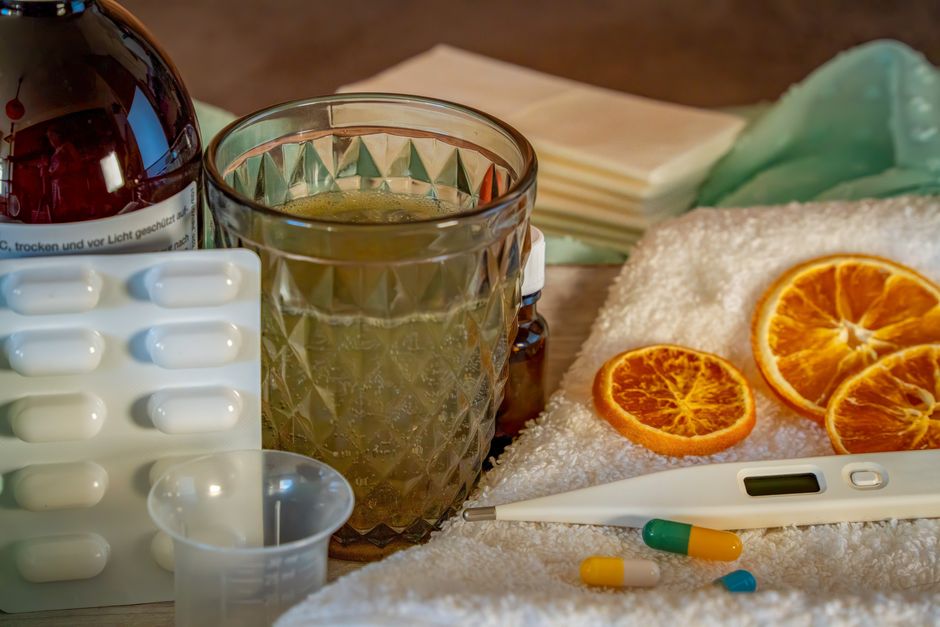
Strep throat is a bacterial infection caused by group A Streptococcus. It is not a virus, so the usual cold remedies will not cure it. The only treatment that kills the bacteria is a prescription antibiotic, usually penicillin or amoxicillin. Pain relief comes from over-the-counter medications like ibuprofen or acetaminophen, plus home care like warm saltwater gargles and plenty of fluids. If you suspect strep, see a doctor for a rapid test or throat culture before starting any treatment.
How Do I Know It Is Strep Throat and Not a Virus?
Strep throat has a specific set of symptoms that separate it from viral sore throats. The classic signs include a sudden sore throat, pain when swallowing, fever above 100.4°F (38°C), and swollen tonsils with white patches or streaks. Swollen lymph nodes in the front of the neck are also common.
Viral sore throats usually come with a cough, runny nose, hoarseness, or conjunctivitis. Those symptoms are not typical of strep. If you have a cough and a runny nose, strep is much less likely. A doctor can confirm the diagnosis with a rapid antigen test that gives results in minutes, or a throat culture that takes 24 to 48 hours.
What Is the Only Cure for Strep Throat?
Antibiotics are the only treatment that kills the Streptococcus bacteria. Penicillin and amoxicillin are the standard first-line choices for most adults and children. For people allergic to penicillin, a cephalosporin like cephalexin, or a macrolide like azithromycin or clarithromycin, are common alternatives.
Antibiotics do more than relieve symptoms. They prevent serious complications like rheumatic fever, which can damage heart valves, and post-streptococcal glomerulonephritis, a kidney condition. They also reduce the contagious period. Most people are no longer contagious after 24 hours of antibiotics and no longer have a fever.
Finish the entire course of antibiotics even if you feel better in a day or two. Stopping early can leave bacteria alive and increase the risk of complications or recurrence.
What Pain Relievers Work Best for Strep Throat?
Over-the-counter pain relievers reduce the throat pain and fever that come with strep. Ibuprofen (Advil, Motrin) and acetaminophen (Tylenol) are both effective. Ibuprofen also reduces inflammation in the throat, which can make swallowing less painful.
Follow the dosing instructions on the label based on your age and weight. Do not give aspirin to children or teenagers because of the risk of Reye syndrome, a rare but serious condition that causes swelling in the liver and brain.
These medications treat symptoms only. They do not kill the bacteria. You still need the antibiotic prescription from a doctor.





What Home Remedies Actually Help Sore Throat Pain?
Several home remedies can make you more comfortable while the antibiotic does its work. A warm saltwater gargle — half a teaspoon of salt dissolved in 8 ounces of warm water — can temporarily soothe the throat. Gargle and spit it out, do not swallow it.
Cold foods like ice cream, popsicles, or cold applesauce can numb the throat slightly and provide relief. Warm liquids like tea with honey or broth can also be soothing. Honey has some evidence for reducing nighttime cough and throat irritation in adults and children over one year old. Never give honey to infants under 12 months due to the risk of infant botulism.
Stay well hydrated. Drinking enough fluids keeps the throat moist and helps your immune system fight the infection. Hard candies or throat lozenges can stimulate saliva production, which keeps the throat lubricated.
Are Throat Sprays and Lozenges Worth Using?
Over-the-counter throat sprays containing benzocaine or phenol can provide temporary numbing relief. Lozenges with similar ingredients work the same way. These products do not treat the infection; they only mask the pain for a short time.
Use them according to the package directions. Do not exceed the recommended number of lozenges per day. Some lozenges contain significant amounts of sugar, which can be a concern for people with diabetes. Benzocaine sprays should not be used in young children due to a rare but serious condition called methemoglobinemia, which reduces oxygen in the blood.
What To Take For Strep Throat If You Are Allergic to Penicillin?
If you have a true penicillin allergy, your doctor will prescribe a different antibiotic. Azithromycin (Zithromax) is a common choice and is often given as a five-day course. Cephalexin (Keflex) is another option, but it can cross-react with penicillin in some people. Your doctor will determine the safest alternative based on your allergy history.
Tell your doctor about any past allergic reactions to antibiotics. A mild rash from a medication is different from a severe reaction like anaphylaxis. The choice of antibiotic depends on the severity of your allergy.
When Should I See a Doctor?
See a doctor if you have a sore throat with a fever, swollen glands, or white patches on your tonsils. These signs suggest strep and require a test. Do not wait to see if it improves on its own.
Seek emergency care if you have difficulty breathing, difficulty swallowing saliva, or drooling. These can be signs of a peritonsillar abscess or airway obstruction. Also seek urgent care if you cannot open your mouth fully or if your voice becomes muffled.
If your symptoms do not improve after 48 hours of antibiotics, contact your doctor. The infection may be resistant to the antibiotic, or the diagnosis may be something else.
How Contagious Is Strep Throat and When Can I Return to Work or School?
Strep throat spreads through respiratory droplets when an infected person coughs or sneezes. It can also spread by sharing food, drinks, or utensils. The incubation period is typically two to five days.
People are contagious until they have been on antibiotics for at least 24 hours and their fever has resolved without using fever-reducing medication. After that point, returning to work or school is generally considered safe. Without antibiotics, a person can remain contagious for two to three weeks.
Frequently Asked Questions
Can strep throat go away without antibiotics?
Yes, strep throat can resolve on its own in about a week, but antibiotics are still recommended. Antibiotics reduce the risk of complications like rheumatic fever and shorten the contagious period.
Is honey good for strep throat?
Honey can soothe throat pain and may reduce irritation, but it does not kill the strep bacteria. Use it in tea or by the spoonful only if you are over one year old.
Can I take ibuprofen and acetaminophen together for strep throat?
Yes, alternating or combining them is generally safe for adults when taken at recommended doses. Do not exceed the maximum daily dose for either medication, and check with a pharmacist if you have liver or kidney conditions.
How long does strep throat last with antibiotics?
Symptoms usually improve within 24 to 48 hours of starting antibiotics. The full course of antibiotics, typically 10 days, should be completed even if you feel better.
