
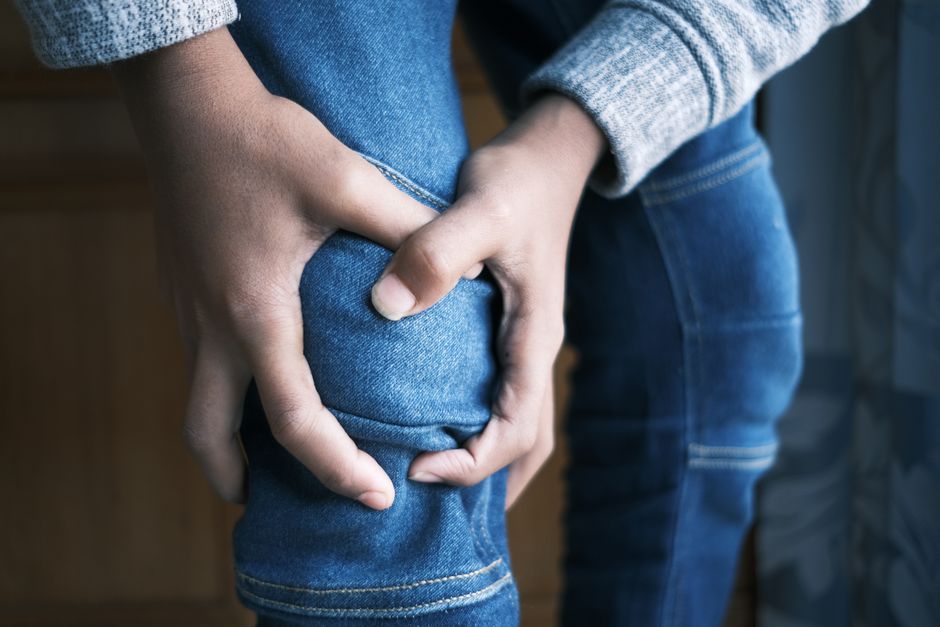
If your joints ache when you wake up or after a long day, you are not alone. The most practical answer to what to take for joint pain depends entirely on the cause — but for most people, a combination of targeted supplements, anti-inflammatory foods, and smart movement habits makes the biggest difference. No single pill fixes everything, and many popular remedies have surprisingly weak science behind them. This guide cuts through the noise so you can make decisions based on what actually works.
What Causes Joint Pain in the First Place?
Joint pain is rarely a simple problem. The most common cause in adults over 40 is osteoarthritis — the gradual breakdown of cartilage that cushions your bones. The CDC reports that about 32.5 million US adults have osteoarthritis. That is roughly 1 in 8 people.
Inflammatory arthritis like rheumatoid arthritis is different. It is an autoimmune condition where your immune system attacks your own joints. Gout is another distinct cause — uric acid crystals form in the joint space. Each of these needs a different approach. What works for osteoarthritis will not help gout.
Then there is the everyday stuff. Old injuries, overuse from repetitive work or sports, and even poor sleep can make your joints hurt more. Research published in the journal Pain found that people who sleep poorly report significantly more joint pain the next day. The connection between inflammation and sleep is real.
Knowing the cause matters because it tells you what to actually target. If you have inflammatory arthritis, your priority is reducing immune system overactivity. If you have osteoarthritis, you are focused on protecting cartilage and managing load. One size does not fit here.
What Supplements Actually Help with Joint Pain?
This is where most people get confused. Supplement shelves are packed with bottles claiming to fix your joints. The honest truth is that the evidence for most joint supplements is weak to moderate at best. A few stand out.
Glucosamine and chondroitin are the most studied. The largest trial to date was the GAIT study funded by the National Institutes of Health. It found that the combination worked no better than placebo for the overall group. However, a subgroup with moderate to severe pain did see meaningful improvement. If your pain is mild, these probably will not help much. If your pain is more significant, they might be worth a try for three months.
Curcumin — the active compound in turmeric — has better evidence. Research published in the Journal of Medicinal Food found that curcumin reduced pain in people with knee osteoarthritis about as well as ibuprofen. The catch is absorption. Most curcumin supplements pass through your body without being absorbed. Look for formulations with piperine (black pepper extract) or liposomal delivery. Without that, you are probably wasting money.
Omega-3 fatty acids from fish oil have solid evidence for inflammatory types of arthritis. Studies show they reduce morning stiffness and joint tenderness in rheumatoid arthritis. The effect is modest — not dramatic — but consistent. You need a dose of at least 2 grams per day of combined EPA and DHA to see benefit. Most cheap fish oil pills do not deliver that.
Vitamin D is worth checking. Many people with chronic joint pain have low vitamin D levels. A 2016 study in the International Journal of Rheumatic Diseases found that correcting a deficiency reduced pain scores significantly. Get your blood tested before supplementing. Too much vitamin D is possible and causes its own problems.
Collagen hydrolysate is newer and less proven. Some small studies show it may help with osteoarthritis pain, but the research is not strong enough to recommend it confidently. It is safe to try, but do not expect a cure.
Here is the bottom line on supplements: most are overhyped. If you try one, give it a full 8 to 12 weeks. If you feel no change, stop. Your wallet will thank you.
| Supplement | Evidence Strength | Best For | Typical Dose |
|---|---|---|---|
| Glucosamine/Chondroitin | Moderate (for moderate-severe pain) | Knee osteoarthritis | 1500 mg / 1200 mg daily |
| Curcumin | Moderate | Osteoarthritis pain | 500-1000 mg with piperine |
| Omega-3 (Fish Oil) | Moderate | Inflammatory arthritis | 2+ g EPA/DHA daily |
| Vitamin D | Strong (if deficient) | General joint pain with deficiency | As prescribed by blood test |
| Collagen Hydrolysate | Weak | Osteoarthritis | 10 g daily |
What Over-the-Counter Pain Relievers Work Best?
Sometimes supplements are not enough. When pain interrupts sleep or daily activities, medication is appropriate. The two main categories are acetaminophen and NSAIDs.
Acetaminophen (Tylenol) works on pain signals in the brain. It does nothing for inflammation. For osteoarthritis, it provides modest relief. The American College of Rheumatology conditionally recommends it but notes the effect is small. The big risk is liver damage if you take more than 3000 mg per day. Do not drink alcohol while taking it.
NSAIDs like ibuprofen (Advil) and naproxen (Aleve) reduce inflammation directly. They work better for inflammatory pain — think swollen, warm joints. Research consistently shows NSAIDs outperform acetaminophen for arthritis pain. But they come with real risks. Long-term use can damage your stomach lining and kidneys. The FDA recommends using the lowest effective dose for the shortest time possible.
Topical NSAIDs are a safer alternative. Diclofenac gel (Voltaren) is available over the counter now. It delivers the drug directly to the joint with minimal absorption into your bloodstream. A review in the British Medical Journal found topical NSAIDs worked as well as oral versions for knee osteoarthritis with far fewer side effects. This is a genuinely underused option.
For sudden flare-ups, a short course of an oral NSAID is reasonable. For ongoing daily use, try the topical version first. Your kidneys and stomach will be better off.
-
 What Helps with Joint Pain from Letrozole? Everything You Need to Know
 -
Where is Si Joint Pain Felt? Everything You Need to Know
-
Does Turmeric Help Joint Pain? Everything You Need to Know
-
How Long Does Si Joint Pain Last? What You Need to Know
-
Joint Vive Reviews And Complaints 2026: Consumer Reports & Ratings





What Foods and Lifestyle Changes Reduce Joint Pain?
What you eat affects how your joints feel. This is not wellness hype — it is basic physiology. Inflammation is driven partly by what you put in your mouth.
The Mediterranean diet has the strongest evidence for reducing joint pain. A 2017 study in the Annals of the Rheumatic Diseases found that people with osteoarthritis who followed this diet reported less pain and better function. The diet is rich in olive oil, fish, vegetables, and whole grains. It is low in red meat and processed sugar. The anti-inflammatory effect is real and measurable.
Sugar and processed foods are the opposite. They trigger inflammatory pathways in your body. A single high-sugar meal can raise inflammatory markers in your blood for hours. If you have chronic joint pain, cutting out soda, candy, and white bread is one of the cheapest and most effective things you can do.
Weight loss is probably the single most powerful intervention for knee and hip osteoarthritis. Every pound of body weight puts about 4 pounds of pressure on your knees. Losing even 5 percent of your body weight — that is 10 pounds for a 200-pound person — reduces pain significantly. The Arthritis Foundation states that weight loss of 10 to 15 pounds can cut knee pain in half for some people.
Movement is counterintuitive. When joints hurt, you want to rest them. But prolonged rest actually makes joints stiffer and weaker. Low-impact exercise like swimming, cycling, and walking strengthens the muscles around the joint. Stronger muscles take pressure off the joint itself. The key is consistency, not intensity. Fifteen minutes of walking daily beats a punishing hour once a week.
Heat and cold also help. Heat relaxes stiff muscles and increases blood flow. Cold reduces acute inflammation and numbs sharp pain. Use heat in the morning before activity. Use cold after exercise or when a joint is hot and swollen.
What Should You Avoid Taking for Joint Pain?
Some things are widely claimed to help but have no real evidence. Others are actively harmful.
MSM (methylsulfonylmethane) is a popular supplement. Some small studies suggest it might help a little. The overall evidence is weak and inconsistent. It is safe but likely not worth the cost.
Devil’s claw and boswellia are herbal remedies with some traditional use. A handful of small studies show modest benefit for osteoarthritis. The quality of these studies is low. They are not dangerous, but do not expect a miracle.
CBD oil is everywhere. The hype far exceeds the evidence. A 2020 review in the Journal of Pain found that CBD reduced pain in some animal studies but human trials showed mixed results. For joint pain specifically, the evidence is very limited. It is also unregulated — what is on the label may not match what is in the bottle. If you try it, buy from a company that provides third-party lab testing.
Injectable treatments like cortisone shots and hyaluronic acid (gel shots) are medical procedures, not supplements. They can provide short-term relief. But repeated cortisone shots may actually damage cartilage over time. Hyaluronic acid works for some people but the research is mixed. The American Academy of Orthopaedic Surgeons does not recommend it routinely for knee osteoarthritis.
Avoid taking high-dose NSAIDs for months on end. This is the most common mistake. People start taking ibuprofen daily and never stop. The risk of stomach bleeding, kidney damage, and high blood pressure increases with every month of continuous use. If you need daily pain relief for more than two weeks, talk to a doctor about safer long-term options.
When Should You See a Doctor for Joint Pain?
Some joint pain is normal with age and activity. But certain signs mean you need medical attention.
See a doctor if the joint is red, hot, or swollen. That suggests inflammation or infection. Gout and septic arthritis need specific treatment. Also see a doctor if the pain comes on suddenly after an injury — you may have a fracture or ligament tear.
If the pain wakes you up at night or is worse at rest, that is a red flag. Arthritis typically feels better when you are still. Pain that gets worse at rest can indicate inflammatory arthritis or even bone problems.
If over-the-counter options and lifestyle changes have not helped after three months, it is time for a professional opinion. A primary care doctor can start with basic blood work and X-rays. They can refer you to a rheumatologist if inflammatory arthritis is suspected or to an orthopedic specialist if structural damage is likely.
Physical therapy is underused and underrated. A good physical therapist can assess your movement patterns and strengthen the specific muscles that protect your painful joint. This is not just stretching — it is targeted rehabilitation. Research shows physical therapy is as effective as surgery for many cases of knee osteoarthritis.
Frequently Asked Questions
What is the fastest way to relieve joint pain?
Applying an ice pack for 15 minutes reduces acute inflammation fastest. For longer relief, a topical NSAID gel works within 30 minutes.
Can glucosamine rebuild cartilage?
No. Glucosamine may slow cartilage breakdown in some people but it does not regrow lost cartilage. Once cartilage is gone, it does not come back.
Is turmeric better than ibuprofen for joint pain?
Some studies show curcumin reduces pain about as well as ibuprofen for knee osteoarthritis. It is safer for long-term use but requires a properly absorbed formulation.
Does drinking more water help joint pain?
Mild dehydration can make joints feel stiffer. Staying hydrated helps joint lubrication but it is not a treatment for arthritis pain.
