
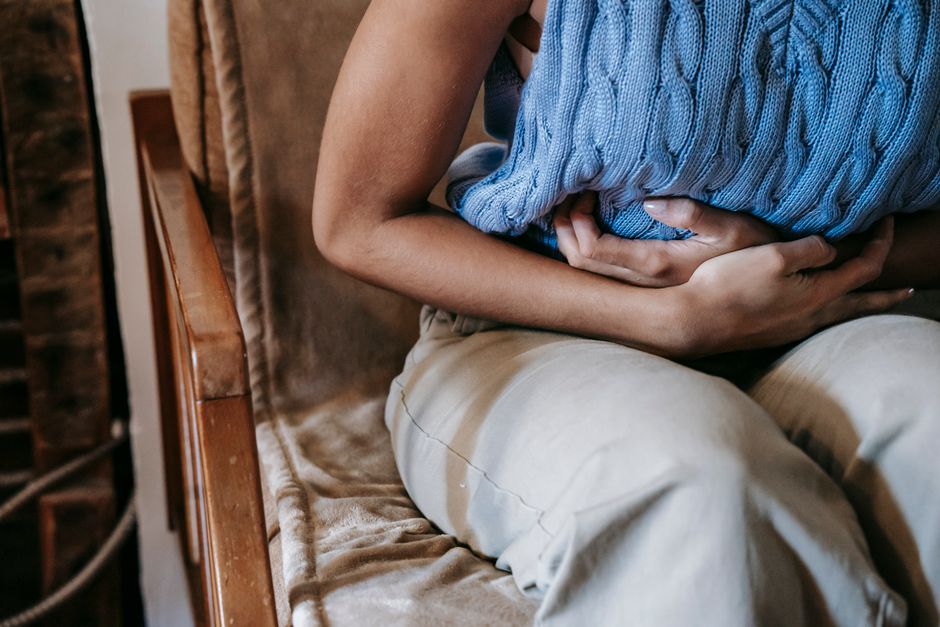
Cramps are a common reason people reach for the medicine cabinet. Whether it is a menstrual cramp, a muscle spasm after exercise, or a sudden stomach ache, the right choice depends on the cause. For period pain, nonsteroidal anti-inflammatory drugs (NSAIDs) like ibuprofen are the first-line choice. For muscle cramps, the evidence supports magnesium and gentle stretching, though the proof for supplements is mixed. For stomach cramps, the answer depends entirely on the underlying cause, but antispasmodic medications and hydration are common starting points. The key is matching the treatment to the specific type of cramp you have.
What Is the Best Medicine for Period Cramps?
Period cramps happen when the uterus contracts to shed its lining. These contractions are driven by hormone-like substances called prostaglandins. Higher prostaglandin levels mean stronger contractions and more pain.
NSAIDs work by blocking the enzymes that produce prostaglandins. That is why ibuprofen (Advil, Motrin) and naproxen (Aleve) are the most effective over-the-counter options for menstrual pain. They do not just mask the pain; they reduce the chemical signal that causes the cramping in the first place.
Timing matters. Taking an NSAID at the first sign of cramps or even the day before your period starts works better than waiting until the pain is severe. This is because the drug needs to be in your system before the prostaglandin surge peaks.
Acetaminophen (Tylenol) can help with the pain, but it does not reduce prostaglandin production. For many women, it is simply less effective for period cramps than an NSAID. If you cannot take NSAIDs due to stomach issues, asthma, or kidney problems, acetaminophen is a reasonable alternative, but manage your expectations.
What Works for Muscle Cramps and Leg Spasms?
Muscle cramps are sudden, involuntary contractions that usually hit the calf, foot, or thigh. They often strike at night or after exercise. The exact cause is not always clear, but common triggers include muscle fatigue, dehydration, and electrolyte imbalances.
For an acute muscle cramp, the most effective immediate treatment is stretching the affected muscle. For a calf cramp, pull your toes toward your shin. Hold the stretch until the spasm releases. Massage and applying heat can also help relax the muscle.
For prevention, the evidence is less clear. Some research suggests that magnesium supplements may help reduce the frequency of cramps, particularly in older adults and pregnant women. However, other studies show no significant benefit over placebo. If you try magnesium, be aware that high doses can cause diarrhea.
Quinine was once prescribed for leg cramps, but it is no longer recommended. The FDA has warned that it carries serious risks, including cardiac arrhythmias, and the benefit is not well established. Do not use tonic water for cramps; the quinine content is too low to help and the risk is not worth it.
What Should You Take for Stomach Cramps?
Stomach cramps are different from period or muscle cramps because the cause is often digestive. Gas, indigestion, constipation, or a viral infection can all cause the intestines to spasm. The right treatment depends on what is driving the spasm.
For gas-related cramps, simethicone (Gas-X) helps break up gas bubbles in the gut. It does not stop the spasm, but it relieves the pressure that causes the pain. For cramps from indigestion, antacids or acid reducers may help if heartburn is part of the picture.
Antispasmodic medications like dicyclomine (Bentyl) are prescription drugs that relax the muscles of the intestine. They are used for conditions like irritable bowel syndrome (IBS), where cramping is a central symptom. These are not over-the-counter options, so you would need to talk to a doctor.
For mild cramps, simple hydration and rest are often enough. Dehydration can cause the gut to slow down and cramp. Sipping clear fluids and avoiding heavy or greasy food can give your digestive system a chance to recover.





Are There Natural Remedies That Actually Work?
Many people want to avoid medication. For period cramps, heat therapy is one of the most well-supported natural options. A heating pad on the lower abdomen works about as well as ibuprofen for some women. It works by relaxing the uterine muscle and improving blood flow.
For muscle cramps, staying hydrated is the most practical preventive measure. There is no strong evidence that sports drinks are better than water for this purpose, but if you sweat heavily, replacing electrolytes may help.
Ginger has some evidence for reducing menstrual pain intensity. Research published in the Journal of Alternative and Complementary Medicine found that ginger powder was comparable to ibuprofen for pain relief in women with period cramps. The effect is modest, but it is a safe option for those who prefer a natural approach.
For stomach cramps, peppermint oil has the strongest evidence. It is an antispasmodic and can reduce cramping in people with IBS. Enteric-coated capsules are preferred because they deliver the oil to the intestine rather than the stomach. Some studies show it reduces abdominal pain significantly compared to placebo.
Be cautious with herbal remedies you see online. Many are not tested in rigorous trials. If a supplement claims to cure cramps but has no clinical backing, it is marketing, not medicine.
When Should You See a Doctor for Cramps?
Most cramps are temporary and respond to home treatment. But some situations warrant medical attention. If period cramps are severe enough to keep you from normal activities and do not respond to NSAIDs, this could be a sign of endometriosis or fibroids. This is not normal and deserves evaluation.
Muscle cramps that happen frequently, especially with weakness or muscle wasting, may indicate a neurological or metabolic issue. Cramps accompanied by swelling, redness, or warmth in the leg could be a blood clot, which is a medical emergency.
Stomach cramps that are severe, persistent, or accompanied by fever, vomiting, or blood in the stool require immediate medical attention. Cramps that last more than a few days without improvement also warrant a visit. Sudden, sharp abdominal pain that comes in waves could be a kidney stone or gallbladder issue.
If you are pregnant, talk to your doctor before taking any medication for cramps. Some NSAIDs are not recommended during pregnancy, especially in the third trimester. Magnesium is sometimes used for pregnancy-related leg cramps, but you should confirm the dose with your obstetrician.
What To Take For Cramps Period Muscle And Stomach: A Quick Guide
Here is a simple breakdown of the most common options. This table is a general guide, not a prescription. Always read the label and check with a pharmacist if you have other medical conditions or take other medications.
| Type of Cramp | Best First-Line Option | Notes |
|---|---|---|
| Period cramps | Ibuprofen or naproxen | Take at first sign of pain. Reduces prostaglandins. |
| Muscle cramps | Stretching, heat, hydration | Magnesium may help prevent, but evidence is mixed. |
| Stomach cramps (gas) | Simethicone | Breaks up gas bubbles. Does not stop spasms directly. |
| Stomach cramps (IBS) | Peppermint oil capsules | Antispasmodic effect. Use enteric-coated capsules. |
| Stomach cramps (indigestion) | Antacids | Only if heartburn or acid reflux is present. |
The most important step is identifying the type of cramp you have. Taking a muscle relaxant for gas pain will not help. Taking an antacid for a muscle spasm will not help either. Match the treatment to the mechanism.
Frequently Asked Questions
Is ibuprofen or acetaminophen better for period cramps?
Ibuprofen is generally more effective because it reduces prostaglandins, the chemicals that cause uterine contractions. Acetaminophen only blocks pain signals and does not address the source.
Can magnesium stop leg cramps at night?
Some studies suggest magnesium may reduce the frequency of nighttime leg cramps, especially in older adults. The evidence is not consistent, and it does not work for everyone.
What is the fastest way to stop a stomach cramp?
For gas-related cramps, simethicone works quickly to break up gas bubbles. For other types, resting, sipping water, and applying gentle heat to the abdomen can help relax the intestinal muscles.
Are over-the-counter painkillers safe for stomach cramps?
NSAIDs like ibuprofen can actually worsen stomach cramps and cause stomach irritation. They are not recommended for digestive-related abdominal pain unless a doctor has specifically advised them.
