

Sinus infections are common, and most people who get one are looking for something that actually helps — not a trip to the emergency room. For typical viral sinusitis, the mainstays are over-the-counter pain relievers like ibuprofen or acetaminophen, saline nasal irrigation or sprays, and decongestants used for short periods. Home measures like fluids, rest, and warm compresses can ease symptoms. Antibiotics do not help viral sinus infections, and most cases improve on their own within about 10 days.
What To Take For A Sinus Infection Otc And Home Remedies?
There is no single product that treats a sinus infection. What works depends on whether the cause is viral, bacterial, or something else — and most cases in adults are viral.
Over-the-counter options fall into a few categories:
- Pain and fever reducers: Ibuprofen or acetaminophen ease facial pressure, headache, and fever. Ibuprofen also reduces inflammation.
- Saline nasal rinses or sprays: These thin mucus and flush irritants. They are widely recommended and carry little risk when used correctly.
- Decongestant sprays: Oxymetazoline or phenylephrine sprays shrink swollen nasal tissue. They should not be used for more than 3 days in a row because of rebound congestion.
- Oral decongestants: Pseudoephedrine reduces swelling inside the nose. It can raise blood pressure and cause jitteriness, so people with hypertension or heart conditions should talk to a pharmacist or doctor first.
- Antihistamines: These mainly help if allergies are part of the problem. They are not a treatment for infection itself.
Home remedies that may help include drinking fluids, using a humidifier, applying warm compresses over the sinuses, and sleeping with your head elevated. Steam inhalation is commonly used, though the evidence that it shortens or cures infection is limited.
How Do You Know If It’s Viral Or Bacterial?
You usually cannot tell for certain without a medical evaluation. The pattern of symptoms offers clues, not proof.
Viral sinusitis typically follows a cold. Symptoms build over a few days and start improving within about 10 days. Bacterial sinusitis is more likely when symptoms last more than 10 days without improving, get worse after initially improving, or come with a high fever and severe facial pain for several days.
This distinction matters because antibiotics only help bacterial infections. Taking antibiotics for a viral infection does nothing for you and contributes to antibiotic resistance. It can also cause side effects like diarrhea, rash, and yeast infections.
Some clinicians use a “watchful waiting” approach for mild to moderate cases, prescribing antibiotics only if symptoms do not improve. This is common practice, though it is not appropriate for everyone — people with severe symptoms, weakened immune systems, or certain underlying conditions may need treatment sooner.
Do Nasal Rinses And Sprays Really Work?
Saline irrigation is one of the better-supported home measures for sinus symptoms. It physically clears mucus and irritants, which can reduce congestion and pressure.
A few practical points:
- Use distilled, sterile, or previously boiled and cooled water. Tap water can contain organisms that are harmful when rinsed into the nose.
- Clean the rinse device after each use and let it air dry.
- Isotonic saline (roughly the saltiness of body fluids) is standard. Hypertonic saline, which is saltier, may help some people but can sting.
Steroid nasal sprays like fluticasone are sometimes used for sinus symptoms, particularly when allergies or nasal polyps are involved. They take days to work and are not a quick fix. Their role in acute viral sinusitis is less clear than in chronic or allergic conditions.




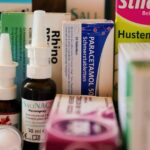
What About Decongestants And Their Risks?
Decongestants work by narrowing blood vessels in the nasal lining, which reduces swelling. They can help you breathe more easily, but they come with real caveats.
Topical sprays like oxymetazoline work fast but cause rebound congestion if used more than 3 days in a row. This creates a cycle where you need the spray to breathe, which is worse than the original problem.
Oral decongestants like pseudoephedrine raise blood pressure and heart rate in some people. They can also cause insomnia, anxiety, and urinary retention. People with high blood pressure, heart disease, diabetes, thyroid problems, or prostate enlargement should check with a pharmacist before using them.
Phenylephrine, another oral decongestant, has been questioned for effectiveness when taken by mouth. Some research suggests it works no better than placebo at standard doses. This is an area where regulatory review has been ongoing.
When Should You See A Doctor?
Most sinus infections do not need medical care. But some situations do.
See a doctor if you have:
- Symptoms lasting more than 10 days without improvement
- Severe symptoms like intense facial pain or a fever above 102°F
- Symptoms that improve and then get worse again
- Vision changes, swelling around the eyes, or severe headache
- Confusion or stiff neck
- Repeated sinus infections
These signs can suggest a bacterial infection, a complication, or a different diagnosis. They warrant prompt evaluation.
What Doesn’t Help — And What Might Be Harmful?
Some popular remedies lack evidence or carry risks.
- Antibiotics for viral infections: No benefit and real downsides, including resistance and side effects.
- Overuse of decongestant sprays: Leads to rebound congestion.
- Untested herbal remedies: Some, like certain essential oils, can irritate nasal tissue. Evidence for most is weak or absent.
- Tap water in nasal rinses: Rare but serious infections have been reported from using untreated tap water.
Steam, rest, and fluids are low-risk and may make you feel better, even if they do not shorten the infection. That distinction — symptom relief versus cure — matters when you decide what to try.
Frequently Asked Questions
What is the best over-the-counter medicine for a sinus infection?
There is no single best option. Ibuprofen or acetaminophen for pain, saline rinses for congestion, and short-term decongestants are common choices. What works depends on your symptoms and health history.
How long does a sinus infection last without antibiotics?
Most viral sinus infections improve within about 10 days. Bacterial infections may last longer without treatment. If symptoms persist beyond 10 days or get worse, see a doctor.
Can I use nasal decongestant spray every day?
No. Oxymetazoline and similar sprays should not be used more than 3 days in a row. Longer use causes rebound congestion that can be harder to treat than the original problem.
Do antibiotics help a sinus infection?
Only if the cause is bacterial. Most sinus infections are viral, and antibiotics do nothing for those. A doctor can help determine whether antibiotics are appropriate.
