
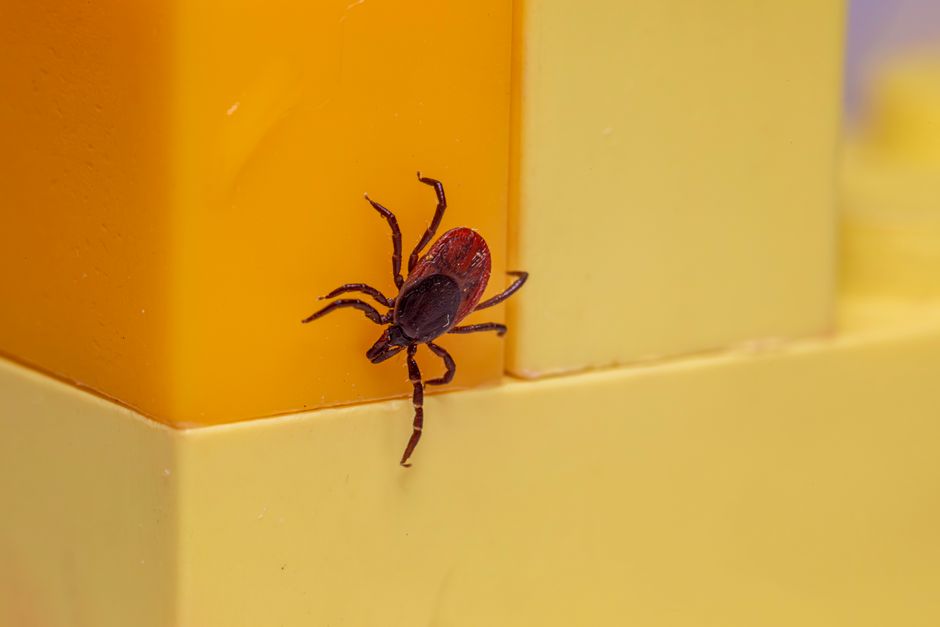
A tick bite needs plain soap and water first. Wash the area gently, then apply a thin layer of petroleum jelly or a fragrance-free moisturizer if the skin feels dry or itchy. Skip the folk remedies — no nail polish, no petroleum jelly to smother the tick, no essential oils. Most tick bites heal on their own without any product at all.
What you put on the bite matters far less than what you do next: watch for a rash, note the date, and know when to call a doctor. The bite itself is usually minor. The diseases a tick can carry are the real concern.
What should you put on a tick bite right after removing the tick?
Clean the bite with soap and water. That is the main step. A mild antiseptic or an over-the-counter antibiotic ointment is sometimes used, though there is no strong evidence that either prevents infection from a tick bite. Washing removes bacteria and debris from the skin surface, which is a reasonable first move.
If the skin is irritated, a fragrance-free moisturizer or a small amount of hydrocortisone cream can calm itching. An oral antihistamine may help if the itch is bothersome. These treat the skin reaction, not any infection the tick might have passed on.
Do not apply petroleum jelly, nail polish, rubbing alcohol, or a lit match to a tick that is still attached. These methods are widely repeated online and do not work. They can cause the tick to release more saliva into the bite, which is the opposite of what you want. The correct method is fine-tipped tweezers, grasping the tick close to the skin, and pulling straight up with steady pressure.
What should you NOT put on a tick bite?
Skip anything that claims to “draw out” a tick or neutralize venom. Ticks do not inject venom. They transmit bacteria and, in some cases, other organisms through their saliva. No topical product removes those organisms once they have entered the skin.
- Nail polish, petroleum jelly, or oil — these do not make a tick let go
- Essential oils or herbal pastes — no clinical evidence they help
- Alcohol or hydrogen peroxide on broken skin — can delay healing
- Heat from a match or hot object — risks burns and does not help
The one product worth having on hand is not a cream. It is a pair of fine-tipped tweezers. Removing the tick quickly and correctly is the single step most likely to reduce your risk of disease.
Does the type of product matter if the tick was attached for a while?
No topical product changes your risk once a tick has been attached for an extended period. The concern shifts from skin care to watching for symptoms. The longer a tick feeds, the greater the chance it passes on bacteria if it is carrying any.
If you find an attached tick, remove it and note the date. If you can identify the tick species, save it in a sealed bag or take a clear photo. This information helps a clinician decide whether preventive treatment is appropriate.
In some cases, a single dose of an antibiotic may be prescribed after a known high-risk bite, but this is a clinical decision made by a doctor. It is not something you apply to the skin, and it is not appropriate for every bite. Whether it is offered depends on the tick species, how long it was attached, and where you live.





When does a tick bite need medical attention?
Call a doctor if a rash appears, especially one that expands over days. A spreading rash can be a sign of tick-borne illness. Other reasons to seek care include fever, chills, muscle aches, headache, or feeling generally unwell in the days to weeks after a bite.
The timeline matters. Symptoms of tick-borne disease often appear within days to a few weeks after the bite. Not everyone notices the bite itself, and not everyone gets a rash. If you feel sick after possible tick exposure and cannot explain why, tell your doctor about the exposure.
Some people develop a small red bump or mild swelling right at the bite site within the first day or two. This is a normal reaction to the bite and usually fades. A rash that grows larger over several days, or one that forms a ring pattern, is different and worth having checked.
What does a normal tick bite look like versus a concerning one?
A normal reaction is a small red bump, sometimes with mild itching or tenderness, that appears shortly after the bite and settles within a few days. A concerning reaction spreads, changes shape, or comes with systemic symptoms like fever or aches.
| Feature | Typical bite reaction | Worth medical review |
|---|---|---|
| Size | Small, localized bump | Expanding area over days |
| Timing | Appears within hours to 1-2 days | Appears or grows days later |
| Shape | Round, even redness | Ring or target pattern |
| Other symptoms | Mild itch or tenderness | Fever, chills, aches, headache |
This table is a guide, not a diagnosis. Rashes vary, and not all tick-borne illness produces the same appearance. A doctor can assess the full picture, including where you were and what the tick looked like.
How do you prevent a tick bite in the first place?
Prevention is more effective than any after-the-fact product. Ticks live in grassy, brushy, and wooded areas. Walking in the center of trails, avoiding tall grass, and checking your body after being outdoors all reduce risk.
Wearing light-colored clothing makes ticks easier to spot. Tucking pants into socks and using an EPA-registered insect repellent on skin and clothing can help. Products containing permethrin are used on clothing, not directly on skin, and should be applied according to label directions.
After time outdoors, check your whole body, including under the arms, in and around the ears, inside the belly button, behind the knees, in the hair, and around the waist. Showering soon after coming inside can help wash off unattached ticks. Putting clothes in a dryer on high heat can kill ticks that remain on fabric.
Removing a tick within a short window reduces the chance of disease transmission for many tick-borne illnesses, though the exact timing varies by the organism involved. Quick, correct removal remains the most reliable step you control.
Does the bite itself need treatment if you feel fine?
No. If the tick is removed, the skin looks normal, and you feel well, no treatment is needed beyond keeping the area clean. Watch the bite site and your overall health for a few weeks.
There is no product that reliably prevents tick-borne disease once a bite has occurred. Antibiotics, when used, are prescribed by a clinician based on specific risk factors. They are not applied to the skin and are not appropriate for routine use after every bite.
The most useful things you can do are simple: remove the tick properly, clean the bite, note the date, and pay attention to how you feel. If something changes, contact a doctor and mention the tick exposure. That information helps guide the next step far more than any cream on the shelf.
Frequently Asked Questions
What is the best thing to put on a tick bite?
Plain soap and water is the main step, followed by a fragrance-free moisturizer or hydrocortisone cream if the skin is itchy. No topical product prevents tick-borne disease.
Should I put antibiotic ointment on a tick bite?
An over-the-counter antibiotic ointment is sometimes used on the skin, but there is no strong evidence it prevents infection from a tick bite. Cleaning the area with soap and water matters more.
How long after a tick bite should I worry?
Watch for a rash, fever, chills, or aches in the days to a few weeks after a bite. If any of these appear, contact a doctor and mention the tick exposure.
Can I put hydrocortisone on a tick bite?
A small amount of hydrocortisone cream can calm itching and mild skin irritation at the bite site. It treats the skin reaction only and does nothing to address any infection.
