
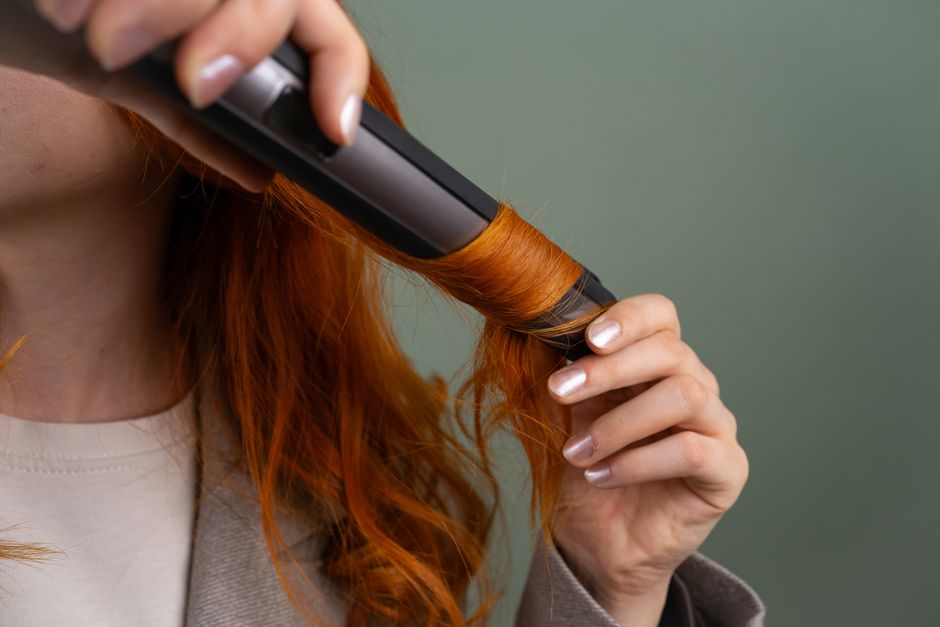
A curling iron burn is a thermal burn, and the right first move is cool running water — not ice, butter, or a specialty ointment. Hold the burned skin under cool (not cold) running water for about 20 minutes, then cover it loosely with a clean, non-stick dressing. For a small surface burn like this, that simple step does more than almost anything you can buy.
Curling iron burns are common and usually minor, but they hurt more than their size suggests because they often land on thin skin like the face, neck, ears, or hands. Knowing what to put on the burn — and what to keep off it — matters for how quickly it heals and whether it scars.
What should you put on a curling iron burn first?
Cool running water is the first and most important thing to put on a curling iron burn. Run cool water over the area for about 20 minutes as soon as you can. This is the single most evidence-supported first-aid step for a small thermal burn.
The cooling does two things. It stops the heat from continuing to damage deeper tissue, and it eases pain. Use cool water, not ice. Ice and ice packs can reduce blood flow to the burned skin and cause further injury, so they are not recommended for burns.
After cooling, gently pat the area dry with a clean cloth. Do not rub. Then cover it loosely with a clean, non-stick dressing or a piece of sterile gauze. A loose covering protects the raw skin from dirt and friction while it begins to heal.
If you have no access to running water right away, a cool damp clean cloth can be used, but running water is preferred because it keeps the temperature steady and doesn’t press on the burn.
What should you never put on a burn?
Skip butter, oil, toothpaste, egg whites, and ice. None of these help a burn heal, and several can make it worse. Butter and oil trap heat against the skin and can hold in bacteria. Toothpaste and other home remedies irritate raw tissue and make it harder for a clinician to assess the wound later.
Also avoid:
- Ice or ice packs, which can damage already-injured skin
- Cotton balls or fluffy material that can stick to the wound
- Adhesive bandages applied tightly over a fresh burn
- Alcohol, hydrogen peroxide, or harsh antiseptics on the burn surface
One point that surprises people: you do not need to pop a blister if one forms. A blister is your skin’s own sterile dressing. Leaving it intact lowers the risk of infection. If a blister breaks on its own, keep the area clean and covered.
What can you put on a curling iron burn after cooling?
After cooling and covering, most small curling iron burns need little else. A plain non-stick dressing is often enough. Some clinicians suggest a thin layer of petroleum jelly on a clean superficial burn to keep it from drying out, but this is common practice rather than a strongly proven step, so treat it as optional.
Over-the-counter burn gels and creams are widely sold. The evidence that any specific ointment speeds healing of a minor burn is limited. What matters more is keeping the area clean, covered, and protected from friction. If you use a product, choose a simple, fragrance-free option and stop if it stings or irritates.
For pain, an over-the-counter pain reliever such as acetaminophen or ibuprofen can help. Follow the label directions. Do not apply pain creams directly to broken skin unless a pharmacist or clinician confirms it is appropriate.




How do you tell if a curling iron burn is serious?
Most curling iron burns are superficial and heal on their own. Knowing the signs of a deeper burn helps you decide whether to seek care. The table below describes the general categories clinicians use.
| Burn depth | What it looks like | Typical healing |
|---|---|---|
| Superficial (first degree) | Red, dry, painful, no blister | Heals in a few days to about a week |
| Partial thickness (second degree) | Blistering, wet, very painful | Can take one to three weeks; may scar |
| Full thickness (third degree) | White, leathery, or charred; may be numb | Needs medical care; does not heal well on its own |
Seek medical care if the burn is larger than about the size of the person’s palm, is on the face, hands, feet, or over a joint, looks white or charred, or if the person cannot feel pain in the area. Also get care if signs of infection appear — increasing pain, spreading redness, swelling, pus, or fever.
Curling iron burns on the eye area, or any burn that affects breathing or a large area of skin, need urgent attention. When in doubt, it is reasonable to have a clinician look at it.
How long does a curling iron burn take to heal?
A minor superficial curling iron burn usually heals within a few days to about a week. A burn that blisters takes longer — often one to three weeks — because the skin has been damaged more deeply. Healing time depends on the depth of the burn and where it is on the body.
During healing, keep the area clean and covered, and avoid picking at scabs or blisters. Protect healing skin from the sun, since new skin burns and darkens more easily. If the burn is not improving after a week or is getting worse, have it checked.
How can you prevent curling iron burns?
Most curling iron burns are avoidable with a few habits. Let the iron heat up and cool down away from skin, and never rest a hot iron on a bed, towel, or counter edge where it can tip. Keep the cord out of reach so it cannot be pulled down.
When styling, keep the hot barrel away from the ears, neck, and forehead — the places burns most often happen. Hold the iron so the hot surface faces away from your skin. If you are rushed or distracted, that is when burns tend to occur.
Store the iron unplugged and let it cool fully before putting it away. A burn that happens once is often preventable the next time with a little care about where the hot barrel is pointed.
Frequently Asked Questions
Should I put ice on a curling iron burn?
No. Ice and ice packs can further damage burned skin and are not recommended for burns. Use cool running water for about 20 minutes instead.
Can I put toothpaste on a burn?
No. Toothpaste irritates raw skin and does not help healing. Cool water and a clean non-stick dressing are the right approach.
Should I pop the blister from a curling iron burn?
No, leave it intact if you can. An unbroken blister protects the wound and lowers infection risk; if it breaks on its own, keep the area clean and covered.
When should I see a doctor for a curling iron burn?
Get care if the burn is large, on the face, hands, feet, or a joint, looks white or charred, or shows signs of infection like spreading redness, pus, or fever. When unsure, have a clinician check it.
