
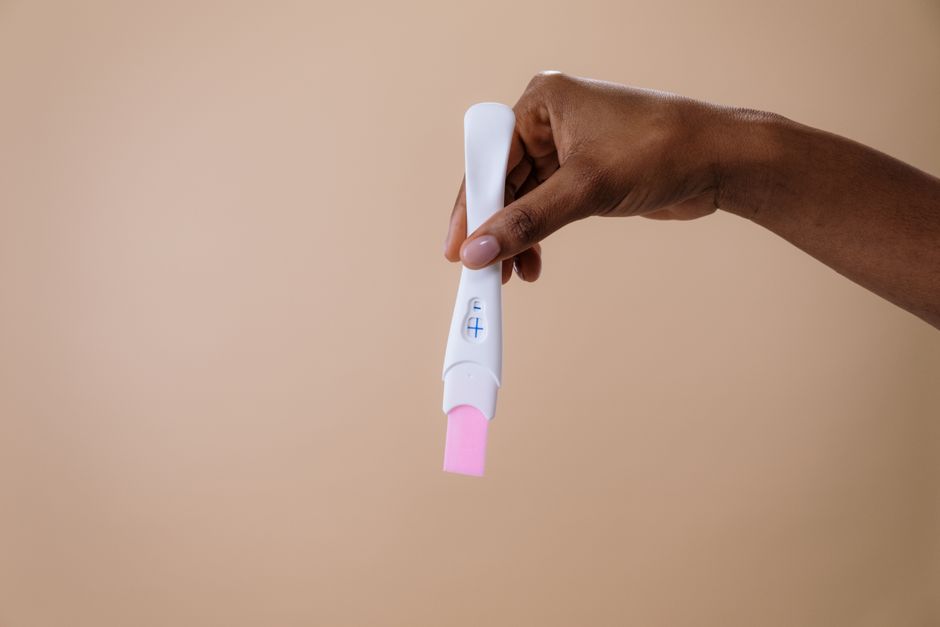
Pregnancy changes almost everything about how a body works, from the first days after conception through the months of recovery after birth. Early signs like a missed period, breast tenderness, and fatigue are common but not reliable on their own, and nutrition needs shift in specific, well-documented ways. What follows is an honest look at what the evidence shows about pregnancy signs, what to eat, what to avoid, and where the science is genuinely uncertain.
What To Know About Pregnancy Signs Nutrition More?
The earliest reliable sign of pregnancy is a missed period, followed by a positive pregnancy test. Most home urine tests can detect the hormone hCG around the time of a missed period, though timing and test sensitivity vary.
Other early signs include breast tenderness, fatigue, nausea, and frequent urination. These symptoms overlap heavily with premenstrual changes and with other common conditions, so symptoms alone cannot confirm pregnancy. A test is the only way to know.
Nutrition matters from before conception onward. Folic acid, iron, iodine, and adequate calories all play established roles in fetal development. The sections below cover what is well established, what is still debated, and what is marketing noise.
What Are the Earliest Signs of Pregnancy?
Implantation typically happens about 6 to 12 days after ovulation, and hCG production begins around then. Symptoms usually follow, though many people have none at all in early pregnancy.
Common early signs include:
- A missed period
- Breast tenderness or swelling
- Fatigue that feels unusual for you
- Nausea, sometimes with vomiting
- Frequent urination
- Food aversions or a heightened sense of smell
None of these is specific to pregnancy. Breast tenderness and fatigue happen before many periods. Nausea has dozens of causes. This is why symptom tracking is unreliable and why a test is the standard.
One clarification worth knowing: implantation bleeding is often described online as a light spot of blood that confirms pregnancy. It can happen, but it is not common and it is easily confused with a normal early period. If you are unsure, test rather than interpret.
When Should You Take a Pregnancy Test?
Home urine tests are most accurate when taken after a missed period. Testing earlier raises the chance of a false negative because hCG levels may still be too low to detect.
First-morning urine is often recommended because it is more concentrated, though modern tests are sensitive enough that timing matters less than testing too early. If a test is negative and your period still does not come, waiting a few days and testing again is reasonable.
Blood tests at a clinician’s office can detect hCG earlier and measure the level. They are used when timing is unclear or when early monitoring is needed.
What Nutrients Matter Most During Pregnancy?
Several nutrients have strong evidence behind them during pregnancy. Others are widely marketed with far less support. Here is the honest breakdown.
| Nutrient | Why It Matters | Evidence Strength |
|---|---|---|
| Folic acid | Reduces risk of neural tube defects | Strong, well established |
| Iron | Supports increased blood volume; prevents anemia | Strong, well established |
| Iodine | Supports fetal brain and thyroid development | Strong, well established |
| Calcium and vitamin D | Supports fetal bone development | Established; supplementation evidence mixed |
| DHA (omega-3) | Supports fetal brain and eye development | Established need; benefit of supplements less clear |
| Choline | Supports brain and spinal cord development | Established need; supplement evidence still developing |
Folic acid is the clearest case. Health authorities recommend 400 micrograms daily starting before conception and continuing through early pregnancy. Neural tube defects develop in the first weeks, often before a person knows they are pregnant. This is why the recommendation starts before conception.
Iron needs rise substantially during pregnancy because blood volume increases. Many prenatal vitamins include iron. Some clinicians screen for anemia with blood tests and recommend supplements based on results.
Iodine is less discussed but well supported. The developing fetus depends on maternal iodine for thyroid hormone production, which affects brain development. Prenatal vitamins vary widely in whether they include iodine, so checking the label matters.
Do You Need to Eat More Calories During Pregnancy?
Calorie needs do rise during pregnancy, but less than many people assume, and mostly in the later months. General guidance from health authorities suggests no extra calories are needed in the first trimester, a modest increase in the second, and a larger increase in the third.
The exact numbers vary by source and by the individual’s starting weight and activity level. What matters practically is that pregnancy is not a time for restrictive dieting, and it is also not a time to eat for two in the literal sense.
Weight gain recommendations differ based on pre-pregnancy body mass index. These are well established and your clinician can apply them to your situation. Gaining within the recommended range is associated with better outcomes for both parent and baby than gaining too little or too much.
What Foods Should You Avoid During Pregnancy?
Food safety guidance during pregnancy is grounded in reducing risk from listeria, toxoplasma, and mercury. These are established risks, not theoretical ones.
Foods commonly advised to avoid include:
- Raw or undercooked meat, poultry, and fish
- Unpasteurized dairy products and soft cheeses made from them
- Raw eggs or foods containing them
- High-mercury fish such as shark, swordfish, king mackerel, and tilefish
- Raw sprouts
- Deli meats and hot dogs unless heated until steaming
Listeria is the reason behind several of these. It is uncommon but can cross the placenta and cause serious illness in a fetus. Heating food until steaming kills it, which is why the deli meat guidance is about temperature, not the meat itself.
Low-mercury fish is encouraged, not avoided. Fish provides DHA and protein, both important in pregnancy. Salmon, sardines, shrimp, and canned light tuna are commonly recommended choices.
Caffeine is generally advised to stay under a moderate limit during pregnancy. Health authorities commonly cite 200 milligrams per day as the upper bound, roughly one 12-ounce cup of coffee, though amounts vary by brew strength.
Is Nausea a Sign of a Healthy Pregnancy?
Nausea and vomiting in early pregnancy are common and often associated with favorable outcomes, but the relationship is not strong enough to reassure anyone whose nausea is mild or absent. Many healthy pregnancies have no nausea at all.
The more useful question is whether nausea is manageable. Mild nausea is uncomfortable but generally not dangerous. Severe vomiting that prevents keeping food or fluids down can lead to dehydration and weight loss, and warrants medical attention.
Practical approaches that clinicians commonly suggest include eating small amounts more often, avoiding strong smells, and trying ginger. Some evidence supports ginger for mild nausea. Vitamin B6 is also commonly used. For persistent or severe symptoms, prescription options exist and are best discussed with a clinician rather than self-managed.
What About Supplements and Herbal Products?
Prenatal vitamins are widely recommended and generally well supported for covering nutrient gaps, particularly folic acid, iron, and iodine. Beyond that, the evidence gets thinner.
Herbal supplements are a genuine area of concern. Many have not been studied in pregnancy, and some that are marketed as natural or safe have documented risks. The supplement industry is not required to prove effectiveness before selling a product in the US, and pregnancy safety data are often absent.
If you are considering any supplement beyond a standard prenatal vitamin, the honest position is that evidence is limited for most of them. A clinician or pharmacist can help assess whether a specific product has adequate safety data.
What Happens to Nutrition After Birth?
Nutrition needs stay elevated during breastfeeding. Calorie needs rise compared with pregnancy in many cases, and hydration matters. Iron needs drop after birth because blood volume returns toward baseline, but iodine and choline remain important for milk production and infant development.
Postpartum recovery also involves healing, sleep disruption, and in many cases anemia from blood loss during delivery. Iron status is worth checking if fatigue is severe or persistent.
Mental health is part of the picture too. Postpartum depression is common and treatable. Nutrition supports general health but is not a treatment for depression. Anyone experiencing persistent low mood, anxiety, or intrusive thoughts after birth should talk to a clinician.
Frequently Asked Questions
How early can you take a pregnancy test?
Most home tests are most accurate after a missed period. Testing a few days before can work with sensitive tests but raises the chance of a false negative because hCG levels may still be low.
Do you really need to avoid deli meat during pregnancy?
Health authorities advise avoiding deli meat unless it is heated until steaming, because of listeria risk. Heating kills the bacteria, so the concern is about temperature rather than the meat itself.
Is it safe to drink coffee during pregnancy?
Health authorities commonly advise keeping caffeine under about 200 milligrams per day, roughly one 12-ounce cup of coffee. Amounts vary by brew strength, so checking labels on other caffeinated drinks matters too.
Can you tell you are pregnant without a test?
No. Early symptoms like fatigue, breast tenderness, and nausea overlap with many other conditions, including premenstrual changes. Only a pregnancy test can confirm pregnancy.
