
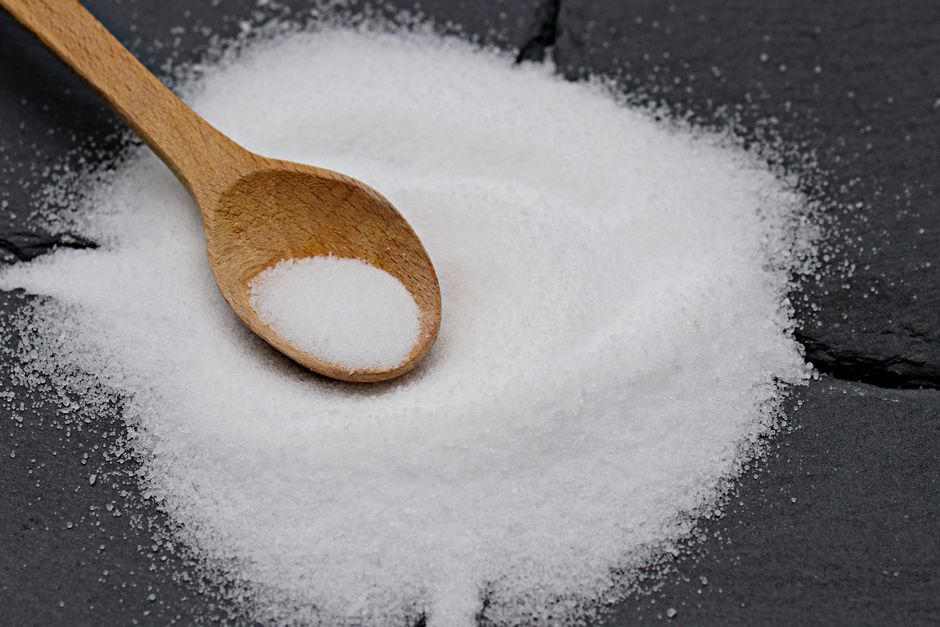
Eating too much sodium happens to almost everyone at some point. A salty restaurant meal, a bag of chips, or takeout can push your intake far past the recommended limit in a single sitting. Your body responds quickly. You may feel thirsty, bloated, or notice your fingers and ankles look puffier than usual. The good news is that a single high-sodium day is not a medical emergency for most healthy people. Your kidneys are designed to filter out excess sodium over the next 24 to 48 hours. The most effective response is simple: drink water, eat potassium-rich foods, and let your body do its job. Here is what actually helps and what does not.
What Happens In Your Body After A High-Sodium Meal?
Sodium is an essential mineral. Your body needs it to maintain fluid balance, transmit nerve signals, and contract muscles. The problem is not sodium itself — it is the amount. The average American consumes about 3,400 mg per day, well above the recommended limit of 2,300 mg.
When you eat a very salty meal, sodium enters your bloodstream quickly. Your kidneys normally filter out excess sodium, but they can only process so much at once. To dilute the sodium concentration in your blood, your body pulls water out of your cells and holds onto it. This is why you feel bloated. Your blood volume increases, which raises blood pressure temporarily. If you have healthy kidneys and normal blood pressure, this effect is usually mild and fades within a day or two.
Thirst is your body’s signal that it needs more water to help the kidneys flush out the excess sodium. This is a normal, healthy response — not a sign that something is wrong.
How Much Water Should You Drink After Eating Too Much Salt?
Drinking water is the most direct way to help your kidneys eliminate excess sodium. There is no official guideline for exactly how much water to drink after a high-sodium meal, but general hydration principles apply. For most adults, drinking about 8 to 12 cups of fluid over the course of the day is a reasonable target. If you just ate a very salty meal, you may need more. Let thirst guide you. Your body is usually a reliable indicator of how much water it needs.
Avoid chugging large amounts of water all at once. This can cause your blood sodium levels to drop too quickly, which carries its own risks. Sip water steadily throughout the day instead. Sports drinks are not necessary unless you have been sweating heavily. They contain sodium themselves, which works against what you are trying to accomplish.
Plain water is the best choice. Herbal tea and other unsweetened beverages also count toward your fluid intake.
Foods That Help Flush Out Sodium
Potassium is the mineral that works directly against sodium. Your kidneys use potassium to help excrete sodium through urine. Eating potassium-rich foods after a salty meal can help restore balance faster than water alone.
Good sources of potassium include:
- Bananas
- Oranges and orange juice
- Potatoes and sweet potatoes
- Spinach and other leafy greens
- Avocados
- Beans and lentils
- Yogurt
- Tomatoes
Most adults need about 2,600 to 3,400 mg of potassium per day, though this varies by individual health status. A single banana provides roughly 400 mg. If you have kidney disease or take medications that affect potassium levels, talk to your doctor before increasing your potassium intake significantly.
Eating these foods is more effective than taking potassium supplements. Whole foods provide potassium in balanced amounts alongside other beneficial nutrients. Supplements can push potassium too high, which is dangerous for the heart.



Does Exercise Help Remove Sodium?
Sweat does contain sodium. When you exercise and sweat, you lose some sodium through your skin. But the amount lost through sweat is small compared to the amount you just consumed. A heavy workout might cause you to lose a few hundred milligrams of sodium through sweat. That is a fraction of the 2,300 mg or more you may have eaten.
Exercise is still helpful, but not because it flushes sodium directly. Physical activity improves circulation and supports kidney function. It also helps regulate blood pressure over time. A walk after a heavy meal can make you feel better and support your body’s natural recovery process.
Do not overdo it. Intense exercise in the hours after a very salty meal can be risky if your blood pressure spiked. Listen to your body. Light to moderate activity is fine. Save the intense workout for the next day.
How Long Does Sodium Stay In Your Body?
Most healthy people clear excess sodium within 24 to 48 hours. The exact timeline depends on several factors: how much sodium you consumed, your hydration status, your kidney function, and your overall health.
Your kidneys filter about 180 liters of blood per day and can excrete sodium in urine at a rate of roughly 3,000 to 5,000 mg per day when needed. This is why a single high-sodium day usually does not cause lasting problems. Your body returns to baseline within a couple of days.
If you have chronic kidney disease, heart failure, or high blood pressure, your body may clear sodium more slowly. For these individuals, a single high-sodium meal can have more noticeable effects that last longer. If you have one of these conditions and ate something very salty, check your blood pressure if you have a monitor at home. Contact your doctor if you notice significant swelling, shortness of breath, or a large blood pressure spike.
What Not To Do After Eating Too Much Sodium
There are a few common mistakes people make when trying to correct a high-sodium day. Avoid these:
- Do not take diuretics (water pills) unless a doctor prescribed them for you. Over-the-counter diuretics can cause dangerous electrolyte imbalances.
- Do not restrict water thinking it will prevent bloating. The opposite is true — your body needs water to flush the sodium out.
- Do not eat more salt to “balance” things out. This makes the problem worse.
- Do not fast or skip meals to compensate. Eat normally, but choose lower-sodium foods for the next day or two.
- Do not take potassium supplements without medical supervision. Getting potassium from food is safe; supplements can be dangerous in excess.
These approaches do not speed up sodium clearance and some of them create new problems. The safest response is the simplest one: hydrate, eat potassium-rich whole foods, and give your kidneys time to work.
When To Seek Medical Attention
For most healthy adults, a high-sodium meal is uncomfortable but not dangerous. However, certain symptoms warrant medical attention. Seek care if you experience any of the following after eating a very salty meal:
- Severe headache that does not go away
- Confusion or difficulty thinking clearly
- Shortness of breath
- Swelling in your face, lips, or throat
- Rapid or irregular heartbeat
- Nausea or vomiting that prevents you from keeping fluids down
These symptoms could indicate hypernatremia — a condition where blood sodium levels become dangerously high. This is rare from a single meal alone, but it can happen in people with certain medical conditions or in older adults who cannot drink enough water to compensate.
People with heart failure, kidney disease, or liver disease should be especially careful. Their bodies cannot handle large sodium loads as effectively. If you have one of these conditions and ate a very salty meal, monitor your symptoms closely. Contact your healthcare provider if you notice increased swelling, weight gain of more than 2 to 3 pounds in a day, or worsening shortness of breath.
How To Prevent This From Happening Again
Prevention is more effective than correction. The majority of sodium in the American diet comes from processed and restaurant foods — not the salt shaker on your table. About 70% of dietary sodium comes from packaged foods and meals eaten away from home.
Reading nutrition labels is the single most effective habit you can build. A food is considered low in sodium if it has 140 mg or less per serving. Foods with 400 mg or more per serving are high in sodium. Check the serving size on the label — many packages contain multiple servings, and the sodium numbers add up quickly.
When eating out, ask for sauces and dressings on the side. Request that your meal be prepared without added salt. Choose grilled, baked, or steamed options instead of fried foods. These small choices can reduce your sodium intake by hundreds of milligrams per meal.
At home, cook with herbs, spices, citrus, and vinegar instead of salt. Your taste buds adapt within a few weeks. Foods you used to find bland will start to taste salty once you reduce your baseline sodium intake.
Long-Term Health Effects Of Chronic High Sodium Intake
A single high-sodium day is not the problem. The real concern is a pattern of consistently eating too much salt. Chronic high sodium intake is linked to high blood pressure, which is a major risk factor for heart disease, stroke, and kidney disease.
Research consistently shows that reducing sodium intake lowers blood pressure in most people. The effect is larger in certain groups, including older adults, Black individuals, and people who already have high blood pressure. For these groups, the blood pressure reduction from cutting sodium can be comparable to the effect of a single blood pressure medication.
Some people are more salt-sensitive than others. Salt sensitivity means your blood pressure responds noticeably to changes in sodium intake. Salt sensitivity becomes more common with age and is more prevalent in people with diabetes, obesity, or chronic kidney disease. If you are salt-sensitive, even moderate sodium intake can raise your blood pressure.
The evidence linking high sodium intake to stomach cancer and osteoporosis is less definitive but suggestive. Some studies indicate a possible association, but the research is not conclusive enough to make firm claims. What is well established is the blood pressure connection, and that alone is a strong reason to keep sodium intake within recommended limits.
Frequently Asked Questions
How long does it take to recover from eating too much salt?
Most healthy people recover within 24 to 48 hours as the kidneys filter out the excess sodium. Drinking water and eating potassium-rich foods can help speed up the process.
Can drinking water flush out sodium?
Yes, water helps the kidneys excrete sodium through urine. Sip water steadily throughout the day rather than chugging large amounts at once.
Does sweating remove sodium from your body?
Sweat does contain sodium, but the amount lost through exercise is small compared to what you consumed. Light exercise can help you feel better, but hydration and time are the main recovery tools.
Is one high-sodium meal dangerous?
For most healthy adults, a single high-sodium meal causes temporary bloating and thirst but is not dangerous. It becomes a concern only if you have kidney disease, heart failure, or high blood pressure and experience severe symptoms.
