
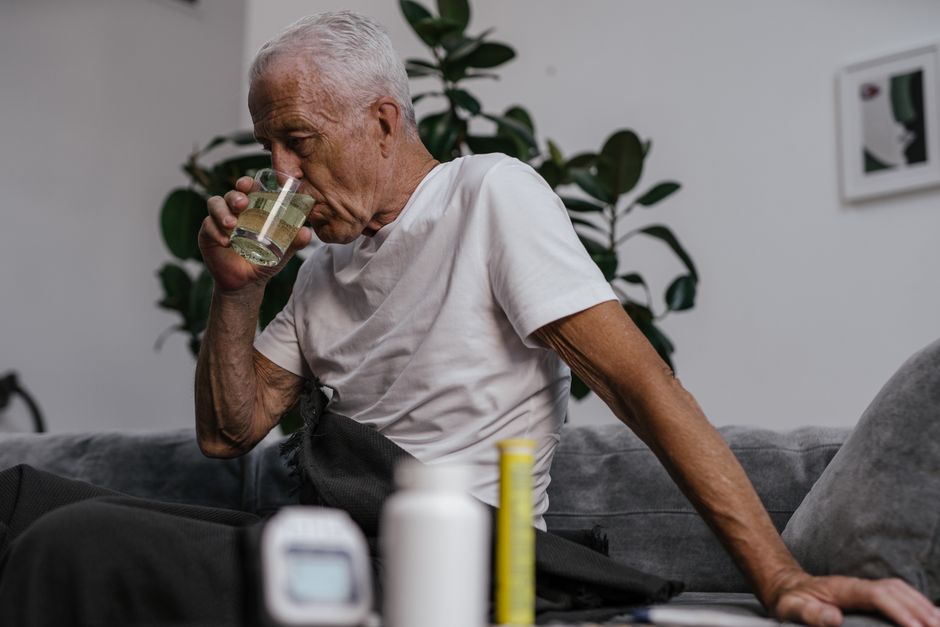
Diarrhea in an older adult needs quick attention because it can lead to dehydration and dangerous electrolyte loss faster than in younger people. The safest first steps are to offer clear fluids like water, broth, and oral rehydration solutions, while avoiding dairy, greasy foods, and high-fiber items until symptoms settle. For food, start with the BRAT diet approach — bananas, white rice, applesauce, and plain toast or crackers — then add bland, easily digested proteins like baked chicken or fish as the stomach tolerates them.
Why Is Diarrhea More Dangerous for Older Adults?
Older bodies do not hold onto water as efficiently as younger ones. The kidneys become less effective at concentrating urine, and the sense of thirst often weakens with age. That combination means an older person can become dehydrated before they even feel thirsty.
Diarrhea speeds up fluid loss dramatically. When stool passes through the intestines too quickly, the body does not have time to absorb water and electrolytes like sodium and potassium. These minerals keep the heart beating and nerves working properly. Losing too many of them can cause confusion, weakness, and irregular heart rhythms.
Medications also play a role. Many older adults take blood pressure drugs, diuretics, or laxatives that already affect fluid balance. Diarrhea on top of these medications can tip the body into trouble quickly.
What Fluids Should an Elderly Person Drink First?
Fluid replacement comes before food. The priority is replacing what has been lost, and plain water alone is not enough because it lacks the electrolytes the body needs.
Oral rehydration solutions are the gold standard. These are available at most pharmacies under brand names like Pedialyte or generic store versions. They contain the right balance of water, sugar, and salt for the intestines to absorb. For older adults, look for versions without added flavorings that contain artificial sweeteners, which can sometimes worsen diarrhea.
Good options in order of preference:
- Oral rehydration solutions (pharmacy brands)
- Clear broths — chicken, beef, or vegetable
- Water with a pinch of salt and a teaspoon of sugar (if no oral rehydration solution is available)
- Sports drinks, though these have more sugar and fewer electrolytes than oral rehydration solutions
Avoid fruit juices, sodas, and sweetened teas. The sugar in these drinks draws water into the intestines, which can make diarrhea worse. Avoid caffeine and alcohol entirely — both are dehydrating.
What To Give Elderly For Diarrhea Foods And Remedies: The BRAT Diet
The BRAT diet has been used for decades to manage diarrhea in all age groups. It stands for bananas, rice, applesauce, and toast. These foods are bland, low in fiber, and easy to digest.
Bananas are especially valuable because they replace potassium lost through diarrhea. Rice and toast provide simple carbohydrates that give energy without irritating the gut. Applesauce contains pectin, a type of soluble fiber that can help firm up stool.
Plain white toast or saltine crackers work better than whole-grain bread. Whole grains contain insoluble fiber, which can irritate an already inflamed digestive tract. The white versions are gentler.
After the BRAT foods are tolerated for 24 hours, add in other bland options. Baked or boiled chicken without skin, plain fish, boiled potatoes without butter, and cooked carrots are all reasonable next steps. Keep portions small — half a cup at a time is plenty for the first day.



What Foods Should Be Avoided During Diarrhea?
Some foods are known to make diarrhea worse. The digestive tract is already inflamed, and certain foods add more irritation.
Dairy products top the list. Even people who are not lactose intolerant can have trouble digesting lactose during a diarrhea episode. The intestinal lining produces less lactase, the enzyme that breaks down milk sugar, when it is inflamed. Milk, cheese, ice cream, and creamy sauces should be avoided until symptoms fully resolve.
Greasy and fried foods are also problematic. Fat is hard to digest under normal circumstances, and much harder when the gut is irritated. Fast food, fatty cuts of meat, and anything cooked in oil should wait.
High-fiber foods like raw vegetables, bran cereals, beans, and nuts can make diarrhea worse. Fiber adds bulk, and when the gut is already moving too fast, that bulk just pushes through more quickly. The same applies to spicy foods, which can stimulate the intestines further.
Artificial sweeteners deserve special mention. Sorbitol, mannitol, and xylitol are common in sugar-free gums, candies, and some medications. These sugar alcohols draw water into the colon and are known to cause diarrhea even in healthy people. Check labels carefully during a diarrhea episode.
When Should an Older Adult See a Doctor for Diarrhea?
Not every case of diarrhea needs a doctor visit. But older adults have a lower threshold for seeking medical care because their bodies do not bounce back as quickly.
Call a doctor if any of these apply:
- Diarrhea lasts more than 48 hours
- There is blood or black, tarry stool
- The person has a fever above 101°F
- Signs of dehydration appear — dry mouth, dark urine, dizziness when standing, or urinating less often than usual
- The person becomes confused or unusually sleepy
- They have not been able to keep fluids down for several hours
Antidiarrheal medications like loperamide (Imodium) are not always safe for older adults. If the diarrhea is caused by a bacterial infection, stopping the diarrhea can trap the bacteria in the body and make the infection worse. Ask a pharmacist or doctor before giving any over-the-counter antidiarrheal to an older person.
How To Prevent Diarrhea in Older Adults
Prevention is easier than treatment. Most cases of diarrhea in older adults come from foodborne illness or infections that could have been avoided.
Food safety matters more with age. Refrigerate leftovers within two hours, reheat food to steaming hot, and avoid raw or undercooked eggs, meat, and seafood. Wash hands thoroughly before preparing food and after using the bathroom.
Probiotics have some evidence for preventing diarrhea, particularly when it is caused by antibiotics. Yogurt with live cultures, kefir, or probiotic supplements may help maintain healthy gut bacteria. The evidence for treating active diarrhea with probiotics is weaker, so do not rely on them as a treatment.
Medication reviews are also useful. Some medications cause diarrhea as a side effect, including certain antibiotics, antacids containing magnesium, and some diabetes drugs. If an older adult has frequent diarrhea episodes, a doctor should review their full medication list.
Frequently Asked Questions
Can I give my elderly parent Imodium for diarrhea?
Ask a doctor or pharmacist first. Loperamide can be unsafe if the diarrhea is caused by a bacterial infection, and older adults may be more sensitive to its effects on the heart.
How long is it safe for an elderly person to have diarrhea?
Seek medical advice if diarrhea lasts more than 48 hours. Older adults can become dehydrated much faster than younger people, so do not wait longer than two days before calling a doctor.
Is Gatorade okay for elderly dehydration from diarrhea?
Gatorade is better than nothing but not ideal. It has too much sugar and not enough electrolytes compared to an oral rehydration solution from a pharmacy.
Should I stop giving my elderly parent their regular medications during diarrhea?
Never stop prescription medications without asking a doctor. Diarrhea can affect how medications are absorbed, so the doctor may adjust dosing, but you should not make that decision on your own.
Diarrhea in an older adult is not a minor inconvenience — it is a medical event that deserves prompt attention. Start with fluids, move to bland foods as tolerated, and do not hesitate to involve a healthcare provider when symptoms persist or warning signs appear.
