
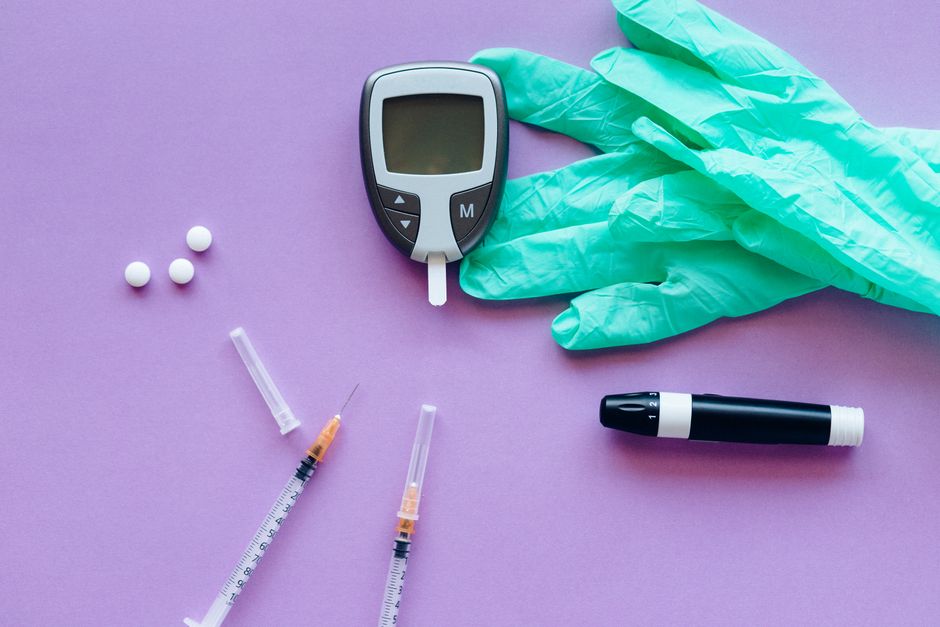
Low blood sugar is a medical emergency that can worsen in minutes, and the right response is fast, simple, and specific. For a conscious person with low blood sugar, give about 15 grams of fast-acting carbohydrate — such as 4 ounces of juice or regular soda, 4 glucose tablets, or 1 tablespoon of sugar or honey. Wait 15 minutes, then recheck blood sugar. If it is still below 70 mg/dL, repeat. If the person is unconscious, having a seizure, or cannot swallow safely, do not give anything by mouth — call 911 and use a prescribed glucagon product if one is available.
What counts as low blood sugar?
For most people with diabetes, low blood sugar (hypoglycemia) is defined as a blood glucose level below 70 mg/dL. This threshold is widely used in clinical guidance and is the level at which treatment is generally recommended.
Symptoms tend to appear in stages. Early signs include shakiness, sweating, hunger, a fast heartbeat, and anxiety. As levels fall further, confusion, slurred speech, blurred vision, and unusual behavior can set in. Severe hypoglycemia is defined by impaired consciousness or the need for another person’s help to treat it — and it can happen without the earlier warning signs, especially in people who have had diabetes for many years.
That last point matters more than many people realize. Repeated low blood sugar episodes can blunt the body’s normal warning response, a phenomenon called hypoglycemia unawareness. Someone can drop well below 70 mg/dL without feeling shaky or sweaty at all. It is one reason checking blood sugar matters more than relying on how you feel.
What to give a diabetic when blood sugar is low?
The goal is fast-absorbing carbohydrate in a measured amount — the 15-15 rule. Give 15 grams of carbohydrate, wait 15 minutes, and recheck. Repeat if blood sugar is still below 70 mg/dL.
Good options for about 15 grams of fast carbohydrate include:
- 4 ounces (half a cup) of juice or regular soda
- 4 glucose tablets (check the label — amounts vary by brand)
- 1 tablespoon of sugar, honey, or corn syrup
- 1 tablespoon of cake frosting or several hard candies
- Glucose gel, if available
Glucose tablets and gels are the most predictable choice because they deliver a fixed, measured dose. They also work quickly and are easy to carry. Regular food works too, but portions are harder to judge when someone is confused or shaky.
Once blood sugar is back above 70 mg/dL, the person should eat a small snack or meal containing carbohydrate and protein if their next meal is more than an hour away. This helps prevent a second drop.
What should you not give during a low?
Do not reach for foods high in fat first. Chocolate, ice cream, and peanut butter contain carbohydrate, but the fat slows absorption and delays the rise in blood sugar. They are fine as a follow-up snack, not as the rescue treatment.
Do not give anything by mouth to someone who is unconscious, having a seizure, or too confused to swallow safely. Food or liquid in the airway can cause choking or aspiration. In that situation, call 911 and use glucagon if it has been prescribed.
A common mistake is giving too much. Overcorrecting sends blood sugar too high and can trigger a rebound. Stick to the measured 15 grams and recheck rather than piling on food.
Another mistake is waiting too long to treat. Symptoms can escalate quickly, and early treatment is easier and safer than waiting to see if things improve on their own.


What about glucagon for severe low blood sugar?
Glucagon is a hormone that raises blood sugar by prompting the liver to release stored glucose. It is the standard emergency treatment for severe hypoglycemia when a person cannot safely swallow.
Glucagon is available as an injection and as a nasal spray. Both require a prescription, and both need to be used correctly — which means anyone close to the person with diabetes should know where it is kept and how to use it. This is worth reviewing with a clinician in advance, not during an emergency.
Glucagon does not replace calling 911. After it is given, the person should be monitored, and emergency help should still be summoned for anyone who is unconscious or having a seizure. Blood sugar usually rises within minutes of glucagon, but the person may need carbohydrate once they are awake and able to swallow.
How do you prevent low blood sugar in the first place?
Prevention comes down to matching insulin or medication, food, and activity. The most common triggers are taking too much insulin, skipping or delaying a meal, and exercising more than usual without adjusting intake or medication.
Practical steps that clinicians commonly recommend include:
- Checking blood sugar before driving, exercising, or sleeping
- Carrying fast carbohydrate at all times
- Keeping a record of when lows happen and what preceded them
- Reviewing medication timing and doses with a clinician if lows are frequent
Alcohol deserves a mention. Drinking can lower blood sugar hours later and can also mask the symptoms of a low, which makes it harder to recognize. People who drink should be aware of this and check blood sugar accordingly.
If lows are happening often, that is information worth bringing to a clinician. Frequent hypoglycemia can signal that a medication regimen needs adjustment, and it also raises the risk of hypoglycemia unawareness.
When should you call 911?
Call 911 if the person is unconscious, having a seizure, cannot be roused, or cannot swallow safely. Do not try to give food or drink by mouth in any of these situations.
Also seek emergency help if blood sugar stays below 70 mg/dL after two or three rounds of the 15-15 rule, or if the person’s condition is worsening despite treatment. Severe hypoglycemia can be life-threatening if it goes untreated.
For milder episodes that resolve with treatment, it is still worth noting the event. A pattern of lows is something to discuss with a clinician, and it may point to a needed change in treatment.
Comparison of common rescue options
Different rescue options deliver carbohydrate at different speeds. The table below summarizes how they generally compare for treating a low.
| Option | Typical amount for ~15 g carb | Speed | Notes |
|---|---|---|---|
| Glucose tablets | About 4 tablets (varies by brand) | Fast | Measured dose, easy to carry |
| Juice or regular soda | 4 ounces | Fast | Use regular, not diet |
| Sugar or honey | 1 tablespoon | Fast | Simple, widely available |
| Glucose gel | Per label | Fast | Useful when chewing is difficult |
| Chocolate or ice cream | Varies | Slower | Fat slows absorption |
Amounts can vary by product, so checking labels is worthwhile. The table is a general guide, not a substitute for a clinician’s advice tailored to an individual.
Frequently Asked Questions
How much sugar do you give a diabetic with low blood sugar?
Give about 15 grams of fast-acting carbohydrate, such as 4 ounces of juice or 4 glucose tablets, then recheck after 15 minutes. Repeat if blood sugar is still below 70 mg/dL.
Can you give orange juice to a diabetic with low blood sugar?
Yes, 4 ounces of orange juice is a standard fast-carbohydrate option for treating a low. It works quickly, though glucose tablets offer a more measured dose.
What if the person is unconscious or having a seizure?
Do not give anything by mouth. Call 911 and use prescribed glucagon if it is available and you know how to use it.
What should you give after blood sugar comes back up?
Give a small snack or meal with carbohydrate and some protein if the next meal is more than an hour away. This helps prevent another drop.
