
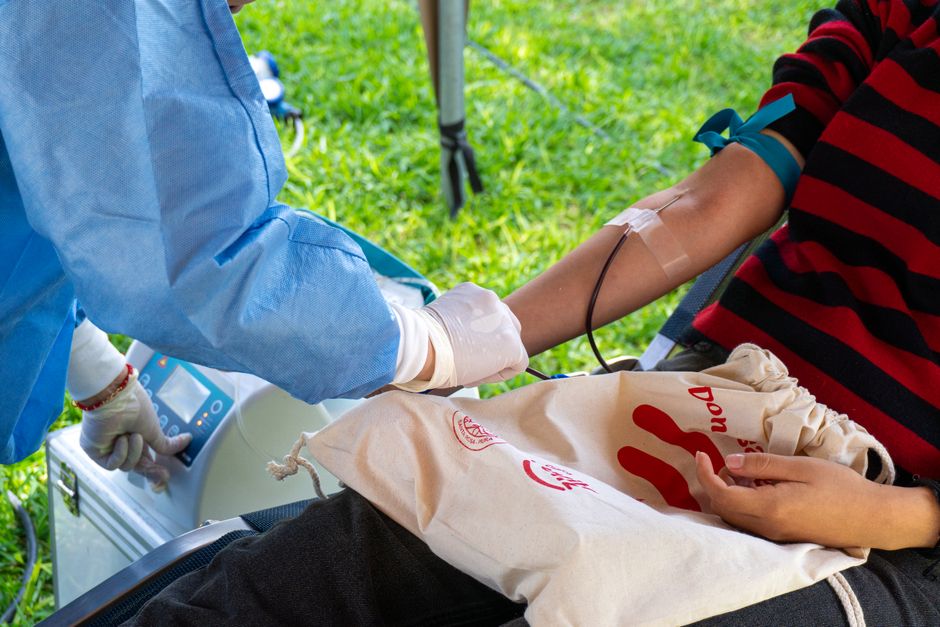
Donating blood takes about an hour from the moment you walk in to the moment you leave, though the actual draw is only 8 to 10 minutes. The process follows a set sequence: registration, a health screening and mini-physical, the donation itself, a short rest period with snacks, and recovery. Most healthy adults between 16 and 17 (depending on state rules) and older can donate whole blood every 56 days.
What To Expect When Donating Blood Full Process?
The whole visit breaks into five stages, and knowing them in advance removes most of the uncertainty. Here is the sequence from door to exit.
Registration. You provide a photo ID and confirm your name, address, and date of birth. First-time donors fill out a more detailed health history questionnaire. You can often complete this online before you arrive, which saves time.
Screening and mini-physical. A staff member checks your temperature, pulse, blood pressure, and hemoglobin level. Hemoglobin is measured with a small finger prick. Donation centers set minimum hemoglobin requirements; the common threshold is 12.5 g/dL for women and 13.0 g/dL for men, though individual centers may vary slightly. You also answer questions about medications, travel, recent illnesses, and risk factors for bloodborne infections. This step protects both you and the people who will receive your blood.
The donation. You sit or recline in a chair. The phlebotomist cleans the inside of your elbow and inserts a sterile needle into a vein. A whole blood donation is about one pint, or roughly 450 to 500 milliliters. It usually takes 8 to 10 minutes. You stay seated, squeeze a small ball periodically, and can talk or read.
Rest and refreshments. After the needle comes out, you press on the site for a few minutes and sit in a recovery area for about 10 to 15 minutes. Staff watch for dizziness. Juice, water, and snacks are offered because replacing fluid and raising blood sugar helps you feel steady.
Departure. Most people drive themselves home. You will be given a card or app record noting your donation date and your next eligible date.
How Long Does the Whole Appointment Take?
Plan on about an hour for whole blood, though first visits often run longer. The draw itself is short. The time adds up in registration, screening, waiting, and the recovery period.
Other donation types take longer. A platelet donation, which uses a machine to separate platelets and return the rest of your blood, typically takes closer to two hours or more. Plasma donations also run longer than whole blood. If you are donating for the first time, ask the center what to expect for your specific donation type.
How Should You Prepare Before Donating?
Preparation matters more than most people realize, and it directly affects how you feel during and after the draw. The main steps are well established.
- Eat a normal meal within a few hours before donating. Avoid fatty foods right before, since they can affect some blood testing.
- Drink extra water in the hours beforehand. Good hydration helps keep your blood pressure stable and makes the vein easier to access.
- Get adequate sleep the night before.
- Avoid alcohol in the 24 hours before donating.
- Bring a photo ID and a list of any medications you take.
- Wear a shirt with sleeves that roll up above the elbow.
If you take medications, do not stop them on your own before donating. Tell the screening staff what you take. Some medications affect eligibility, and the staff can advise you. This is a question for the donation center or your own clinician, not something to decide independently.



What Does the Donation Itself Feel Like?
The needle stick is brief — a quick pinch, similar to a routine blood test. After that, most donors feel nothing more than the pressure of the cuff and the mild effort of squeezing the ball. Some people notice a cool sensation as the blood flows.
Feeling faint is the most common side effect, and it usually happens during or shortly after the draw. It is more likely in first-time donors, younger donors, and people who are dehydrated or have not eaten. Lying back, keeping your legs elevated, and drinking fluids helps. Tell staff immediately if you feel lightheaded, sweaty, or nauseated. They handle this routinely.
Bruising at the needle site is common and fades on its own. Serious complications are rare. The screening process exists partly to lower risk, and the equipment is sterile and used once.
What Happens to Your Blood After You Leave?
Your donation is tested and processed before it reaches anyone. Each unit is screened for infectious diseases such as HIV, hepatitis B and C, and syphilis, along with blood type. Testing is standard and required.
Whole blood is often separated into components — red cells, plasma, and sometimes platelets — so one donation can help more than one patient. Red cells are typically used for surgery, trauma, and anemia. Plasma supports patients with clotting problems and serious burns. Platelets are critical for people receiving cancer treatment.
Red blood cells can be stored for a limited time, which is why donations are needed continuously rather than all at once. The shelf life varies by component and storage method; red cells are commonly usable for several weeks.
How Should You Recover After Donating?
Recovery is usually quick, but your body does need to replace what it lost. The fluid volume is restored within about 24 hours if you drink adequately. Red blood cells take longer — the body replaces them over several weeks, which is why there is a waiting period between whole blood donations.
For the rest of the day, keep the bandage on for a few hours, drink more fluids than usual, and avoid heavy lifting or strenuous exercise. Do not smoke right after donating. If you feel lightheaded, sit or lie down rather than pushing through it.
Most people return to normal activity the same day. Some feel more tired than usual for a day or two. That is normal. Contact the donation center or a clinician if you have ongoing dizziness, a growing bruise, or signs of infection at the needle site such as spreading redness or fever.
Who Can Donate and How Often?
Eligibility rules exist to protect donors and recipients, and they are set by organizations like the American Red Cross and regulated by the FDA. General requirements for whole blood include being at least 16 or 17 depending on state law (younger donors often need parental consent), weighing at least 110 pounds, and being in generally good health.
The standard waiting period between whole blood donations is 56 days. Platelet donations can often be made more frequently, and plasma donation intervals differ. These rules vary by center and donation type, so confirm with the location where you plan to donate.
Some people are deferred temporarily — for example, after certain travel, recent illness, or a new tattoo or piercing in some jurisdictions. Others are deferred permanently for specific health or risk reasons. A deferral is not a judgment about your health; it reflects rules designed to keep the blood supply safe.
Does Donating Blood Have Any Health Benefits for the Donor?
You may see claims that donating blood lowers iron, improves heart health, or “detoxifies” the body. Be cautious with these. The evidence for long-term health benefits to the donor is limited and mixed. Some research has explored iron reduction and cardiovascular outcomes, but results vary and no large trials confirm a clear benefit.
What is well established is the benefit to recipients. Donated blood is essential for trauma care, surgery, cancer treatment, and chronic conditions. That is the honest reason to donate — it helps someone else, and the process is generally safe for healthy adults.
Frequently Asked Questions
How long does a blood donation take from start to finish?
Plan for about an hour for whole blood, including registration, screening, the 8 to 10 minute draw, and a short recovery period. Platelet and plasma donations take longer, often closer to two hours.
How much blood is taken during a donation?
A standard whole blood donation is about one pint, roughly 450 to 500 milliliters. Your body replaces the fluid within about a day, while red blood cells are replaced over several weeks.
Can I drive myself home after donating blood?
Most people can drive themselves home after the recovery period if they feel steady. If you feel lightheaded or dizzy, stay seated and tell staff before leaving.
How often can you donate blood?
Whole blood donations are generally spaced at least 56 days apart. Platelet and plasma donation intervals differ, so confirm the schedule with your donation center.
