
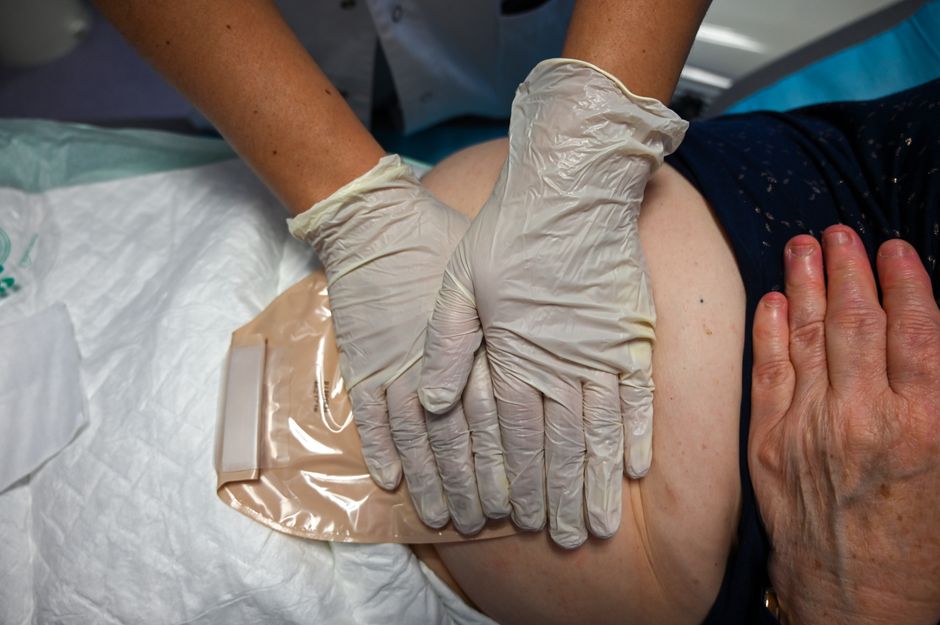
A stoma closure puts your digestive tract back together after months of living with an opening on your abdomen. The surgery reconnects the two ends of bowel that were separated. Most people stay in the hospital for several days afterward and can expect to pass stool normally again within a week or so. Recovery takes weeks, not days, and the first few days after surgery need close attention.
This guide walks through what the operation involves, how the hospital stay usually goes, what recovery looks like at home, and which symptoms mean you should call your surgeon right away.
What To Expect During A Stoma Closure Procedure?
You will be given general anesthesia, so you will be asleep for the entire operation. The surgeon makes an incision — often around the stoma site itself — frees the end of the bowel, and joins it back to the remaining bowel with stitches or surgical staples. The opening in your abdominal wall is then repaired and the skin closed.
The procedure usually takes one to three hours, though this varies with the type of stoma and how much scar tissue has formed. Many closures can be done through the stoma site without a large new incision. Others need a longer cut, especially if there is scarring from earlier surgery.
You will wake up in a recovery area with a dressing over the wound, an intravenous line for fluids and pain medicine, and often a urinary catheter. Some people have a thin tube through the nose into the stomach for a day or two to keep the stomach empty while the bowel wakes up. Not everyone needs one.
Types of stoma and how closure differs
An ileostomy brings the small intestine through the abdominal wall. A colostomy brings the colon through. Closing an ileostomy generally involves joining small bowel to small bowel or small bowel to colon. Closing a colostomy joins colon to colon or colon to rectum.
The type matters for recovery. Ileostomy closures tend to cause more frequent, looser stools in the early weeks because the colon has been out of the circuit and needs time to reabsorb water again. Colostomy closures often produce a slower return of bowel function and firmer stools.
Some stomas are temporary by design and are reversed once the original problem heals — for example, after surgery for diverticulitis or a bowel obstruction. Others become permanent, and closure is not an option. Your surgeon’s plan depends on why the stoma was created.
How do you prepare for stoma closure surgery?
Preparation starts with your surgeon’s instructions, which you should follow exactly. Most centers ask you to stop eating solid food for a set period before surgery and to drink only clear liquids, then nothing at all for several hours beforehand. The specific timing comes from your surgical team, not from general advice.
You may be asked to do a bowel prep — drinking a solution that clears the bowel — though practice varies widely between surgeons and hospitals. Some surgeons skip it for closure surgery. Ask what your team wants.
Tell your surgeon about every medication you take, including blood thinners, aspirin, and supplements. Some need to be paused before surgery. Do not stop any prescribed medicine on your own without confirming the plan with the prescribing clinician.
Arrange help at home for the first week or two. You will not be able to lift anything heavy, drive while on pain medication, or manage stairs and groceries easily at first. Stock easy-to-prepare food and make sure someone can check on you.
What happens during the hospital stay?
The first day or two are mostly about rest and letting the bowel wake up after anesthesia and handling. You will likely have pain medication through an IV at first, then pills. Getting up and walking, even briefly, is usually encouraged early because it helps prevent blood clots and speeds bowel recovery.
Bowel function returns gradually. Surgeons listen for bowel sounds and watch for passing gas, which is the first sign the intestines are working again. Until then you may be limited to ice chips or sips of clear liquid. Once gas passes, you typically advance to soft foods and then regular food.
Hospital stays for stoma closure commonly run from about three to seven days. The range is wide because it depends on the type of stoma, your overall health, and whether any complications occur. Some people go home sooner; others stay longer.
Before discharge, a nurse will show you how to care for the wound and check that you can eat, drink, and pass stool or gas. You will get instructions on pain medicine, activity limits, and when to call.
What does recovery at home look like?
Expect to feel tired for several weeks. The wound and the internal join need time to heal, and your body is recovering from major surgery. Most people return to light normal activity within two to four weeks and to more strenuous activity over the following weeks. Full recovery often takes six to eight weeks, though this varies a great deal from person to person.
Bowel habits will not settle immediately. Stools may be loose, frequent, or unpredictable at first. For ileostomy closures in particular, the first weeks can bring urgency and loose stools while the colon adapts. Most people see gradual improvement over weeks to a few months.
Some practical points for the early weeks:
- Follow your surgeon’s lifting restrictions — often nothing heavier than about 10 pounds at first, but confirm the exact limit with your team.
- Keep the wound clean and dry as instructed, and watch for redness, swelling, or drainage.
- Eat small meals and chew well. Some people find certain foods cause gas or looseness early on.
- Drink enough fluids, especially after an ileostomy closure, because loose stools lose water.
- Do not drive while taking opioid pain medicine or while you feel drowsy.
Scar tissue at the stoma site can feel firm or lumpy for a while. That is common and usually settles. A wound care nurse can advise on scar care if it bothers you.
What complications should you watch for?
Every surgery carries risk, and stoma closure is no exception. The most common problems are wound infection, a leak where the bowel was joined, bowel obstruction, and prolonged ileus — a temporary slowdown of the bowel that delays its return to normal function.
A leak at the join is uncommon but serious. It can cause fever, severe abdominal pain, a hard or swollen belly, and feeling generally unwell. This needs urgent medical attention. Call your surgeon’s office or seek emergency care if these signs appear, especially in the first week or two after surgery.
Signs that warrant a call to your care team include:
- Fever or chills
- Increasing pain, redness, or pus at the wound
- No gas or stool for several days with bloating and vomiting
- Severe or worsening abdominal pain
- Persistent vomiting or inability to keep fluids down
- Shortness of breath or chest pain
Blood clots in the legs or lungs are a known risk after any abdominal surgery. Tell your team about leg swelling or pain, or sudden breathlessness. Many hospitals use compression stockings or blood-thinning medicine to lower this risk.
When will bowel function return to normal?
Most people pass gas within a few days and have a first bowel movement within about two to five days after surgery. That first movement may be small and loose. Full regularity takes longer — often several weeks, sometimes a few months.
Ileostomy closures tend to bring the most change. Without the colon in the circuit for a while, the body loses more water and salt in stool. The colon adapts over time, but the early weeks can mean frequent, watery stools. Staying hydrated matters. Some people need extra salt in their diet during this period; ask your team whether that applies to you.
Colostomy closures often settle into a more predictable pattern sooner because the colon was the segment being bypassed. Even so, expect some fluctuation in the first month or two.
If bowel habits stay very loose, very constipated, or painful for more than a few weeks, that is worth raising with your surgeon. Persistent changes can point to a narrowing at the join or another issue that needs checking.
Does diet need to change after closure?
You do not need a special diet forever. In the early weeks, many surgeons suggest soft, low-fiber foods and small meals while the bowel heals, then a gradual return to your normal diet. The exact timeline comes from your team.
Some people notice that certain foods — beans, cabbage, carbonated drinks, or very fatty meals — cause more gas or looseness at first. That is individual. Keep track and reintroduce foods slowly rather than cutting whole food groups.
After an ileostomy closure, the body loses more fluid and electrolytes in stool than before. Drinking enough fluid and eating regularly helps. If your team advises it, you may need to watch salt intake in the other direction — getting enough, not too little.
Frequently Asked Questions
How long does stoma closure surgery take?
The operation usually lasts one to three hours, depending on the type of stoma and how much scar tissue is present. Your surgeon can give a more specific estimate for your case.
How painful is stoma closure recovery?
Most people have meaningful pain for the first several days and manage it with prescription medicine, then over-the-counter pain relievers as it eases. Pain typically improves steadily over the first two weeks, though soreness at the wound can linger.
Can you live normally after stoma closure?
Most people return to their usual activities, including work and exercise, once healing is complete. Bowel habits usually settle within weeks to a few months, though some people notice lasting changes in frequency or consistency.
What is the most common complication after stoma closure?
Wound infection and a temporary slowdown of the bowel are among the most frequently reported problems. A leak at the surgical join is less common but more serious and needs urgent care.
