
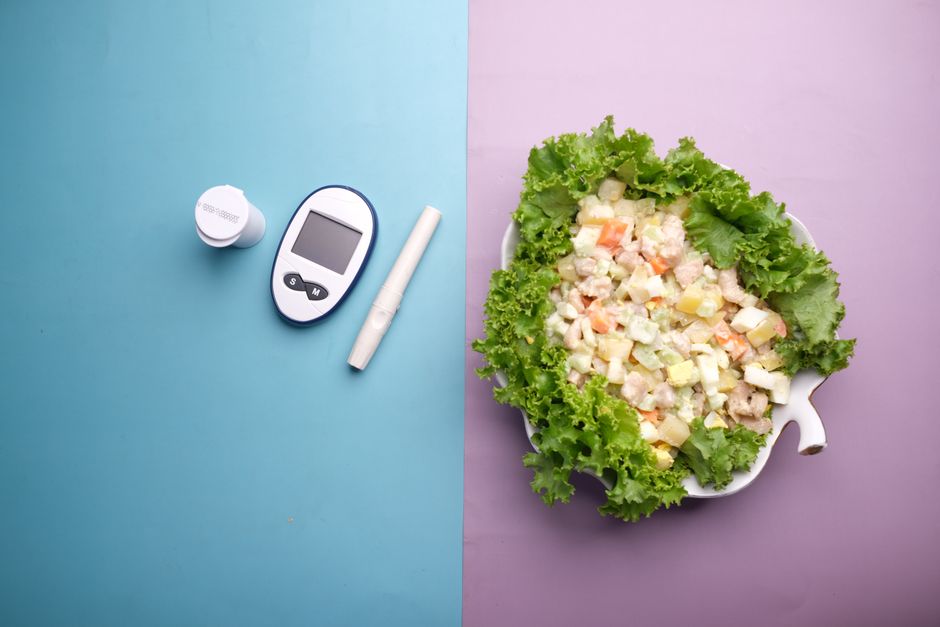
Low blood pressure — doctors call it hypotension — is generally defined as a reading below 90/60 mmHg. If you feel dizzy or lightheaded, what you eat and drink can make a real difference. The most effective dietary steps are drinking more water, getting enough salt if your doctor agrees, and eating smaller meals more often. Certain foods and nutrients also support blood pressure, including foods rich in vitamin B12, folate, and iron.
Most people with low blood pressure do not need treatment. It only matters when it causes symptoms like dizziness, fainting, blurry vision, or fatigue. For those people, food and fluid choices are a sensible first place to look.
What to eat with low blood pressure foods that help?
There is no single food that raises blood pressure reliably. The strongest dietary levers are fluid and sodium, not any specific ingredient. Food choices mostly help by preventing the dehydration and nutrient gaps that can pull blood pressure down.
Here is what the evidence supports:
- Water and fluids. Dehydration is one of the most common and reversible causes of low blood pressure. Drinking enough fluid helps maintain blood volume, and blood volume supports pressure.
- Sodium, if your doctor approves. Salt holds water in the body, which can raise blood pressure. This helps some people with certain types of hypotension, but it is not right for everyone. Never increase salt on your own if you have heart, kidney, or liver disease.
- Smaller, more frequent meals. Large meals can cause a drop in blood pressure after eating, especially in older adults. Eating less at once and more often can reduce this.
- Foods rich in vitamin B12 and folate. Low levels of these nutrients can cause a type of anemia that lowers blood pressure. Foods like eggs, fish, meat, leafy greens, and fortified grains help prevent that.
- Foods rich in iron. Iron supports healthy red blood cells. Iron-deficiency anemia can contribute to low blood pressure and fatigue.
- Caffeine. A cup of coffee or tea can cause a short, temporary rise in blood pressure. It is not a treatment, but some people notice a brief effect.
Notice that most of these are about correcting a deficit — fluid, salt, or a nutrient — rather than eating a “magic” food. That distinction matters. If your blood pressure is low but you feel fine, there is usually nothing to fix with food.
Why does dehydration lower blood pressure?
Blood pressure depends partly on how much blood is in your vessels. Less fluid means less volume, and less volume means lower pressure. This is basic physiology and it is well established.
When you are dehydrated, your body tries to compensate. Your heart beats faster and your blood vessels tighten to keep pressure up. That is why dehydration can leave you feeling dizzy, tired, or lightheaded, especially when you stand up quickly.
Water is the simplest fix. Plain water works well. So do fluids that contain some electrolytes, which are minerals like sodium and potassium that help your body hold onto water. During hot weather, exercise, or illness with vomiting or diarrhea, you lose both water and electrolytes, so replacing both matters more.
One clarification worth knowing: drinking a lot of water all at once does not instantly raise blood pressure in a lasting way. Consistent hydration throughout the day is what supports blood volume.
Does salt really help low blood pressure?
Yes, for some people — but this is one of the most misunderstood areas of blood pressure advice. Sodium causes the body to retain water, which increases blood volume and can raise pressure. That is well established.
For that reason, some clinicians recommend a higher salt intake for people with certain types of low blood pressure, particularly those who faint or feel dizzy from low blood volume. This is common clinical practice, though it is not supported by large trials the way salt restriction is for high blood pressure.
Here is the caution. Higher salt is not safe for everyone. It can worsen heart failure, kidney disease, and liver disease, and it can raise blood pressure too far in people who are sensitive to it. Do not add extra salt to your diet unless a doctor has told you it is appropriate for your situation.
If your doctor does recommend more sodium, food sources are usually better than salt tablets. Broths, soups, and salted foods can help. Salt tablets can cause stomach upset and should only be used under medical guidance.
Which nutrients support healthy blood pressure?
Certain nutrient deficiencies can cause anemia, and anemia can lower blood pressure. Correcting those deficiencies through food is a reasonable step. The three nutrients that matter most here are vitamin B12, folate, and iron.
| Nutrient | Role | Food sources |
|---|---|---|
| Vitamin B12 | Needed for healthy red blood cells | Meat, fish, eggs, dairy, fortified cereals |
| Folate | Needed for red blood cell production | Leafy greens, beans, lentils, fortified grains |
| Iron | Carries oxygen in red blood cells | Red meat, poultry, beans, lentils, spinach, fortified cereals |
Vitamin B12 deserves a note. It occurs naturally almost only in animal foods. People who eat a vegan diet, and some older adults who absorb it poorly, are at higher risk of deficiency. Fortified foods and supplements are often needed for these groups. This is well established.
Vitamin B6 and vitamin C are sometimes mentioned in low blood pressure discussions. The direct evidence that they raise blood pressure is limited. It is more accurate to say a balanced diet supports overall blood vessel and blood health than to claim these vitamins treat hypotension.
What drinks help with low blood pressure?
Fluids are the main lever, and how you drink them matters. Sipping water steadily through the day supports blood volume better than large amounts at once.
Electrolyte drinks can help when you have lost fluid through sweat, heat, or illness. They contain sodium and potassium, which help your body hold water. Plain water is still fine for everyday hydration.
Caffeine causes a brief rise in blood pressure. Some people with occasional dizziness notice a short-lived benefit from coffee or tea. It is not a reliable treatment, and regular caffeine use tends to blunt this effect over time.
Alcohol is the opposite. It can lower blood pressure and cause dehydration, so limiting it is sensible if you have symptoms. Very hot drinks and very cold drinks can occasionally trigger a drop in some people, but this varies.
What eating habits make low blood pressure worse?
Large, heavy meals are a common trigger. After a big meal, blood rushes to the digestive system, and blood pressure can dip. This is called postprandial hypotension, and it is more common in older adults.
Eating smaller meals more often can reduce this effect. So can limiting very refined, high-carbohydrate meals, which some people find worsen the dip. The evidence here is mixed, and responses vary from person to person.
Skipping meals is another issue. Going long stretches without eating can leave you low on energy and fluid, and can worsen dizziness. Regular meals and snacks help keep things steady.
Standing up quickly after eating can also trigger a drop. If you notice dizziness after meals, resting briefly before standing may help.
When should you see a doctor about low blood pressure?
See a doctor if low blood pressure causes symptoms. Dizziness, fainting, blurry vision, confusion, fatigue, or nausea are all reasons to get checked. Fainting in particular should never be ignored.
Some causes of low blood pressure are serious and need medical attention. These include heart problems, hormone conditions, severe infection, significant blood loss, and reactions to medications. Many common medicines, including some for high blood pressure, can lower pressure too much.
Food and fluids help with some causes and do nothing for others. If your symptoms are frequent or severe, a proper evaluation matters more than any dietary tweak. Do not treat persistent dizziness or fainting with food alone.
For most people with mild, symptom-free low blood pressure, no treatment is needed. The numbers alone are not a problem. How you feel is what counts.
Frequently Asked Questions
What foods raise blood pressure quickly?
No food raises blood pressure quickly and reliably. Fluids and salty foods can have a modest effect over time, but there is no fast food fix for low blood pressure.
Is it safe to eat more salt for low blood pressure?
Only if a doctor has approved it for your situation. Extra salt can be harmful for people with heart, kidney, or liver disease, so it should not be increased on your own.
Can dehydration cause low blood pressure?
Yes, dehydration is one of the most common and reversible causes. Losing fluid reduces blood volume, which lowers blood pressure and can cause dizziness or fatigue.
Does coffee help low blood pressure?
Coffee can cause a brief, temporary rise in blood pressure. It is not a treatment for ongoing low blood pressure, and regular use tends to reduce this effect.
