
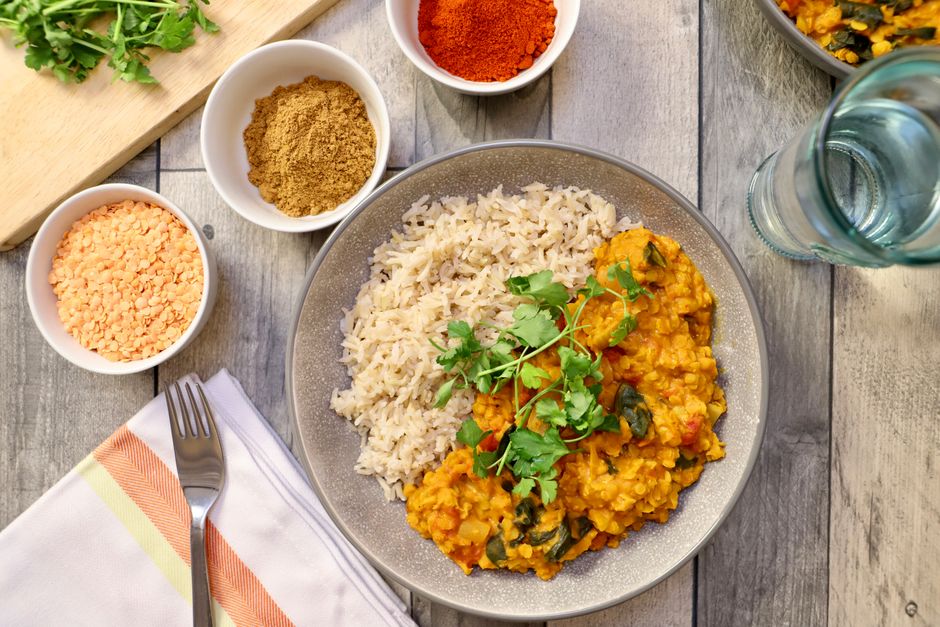
Lentils are a nutritional powerhouse, but they can also be bland if you eat them plain. The best foods to eat with lentils for flavor and nutrition are acidic ingredients like lemon juice or vinegar, aromatic vegetables like onion and garlic, healthy fats like olive oil, and whole grains like rice or barley. These pairings not only make lentils taste better but also help your body absorb their nutrients more effectively.
Why Do Lentils Need Help With Flavor?
Lentils have a mild, earthy taste. On their own, they lack the punch that makes a meal memorable. This is not a flaw. It is an opportunity.
Their neutral base takes on other flavors well. Think of lentils like a blank canvas. You can go in almost any direction — Mediterranean, Indian, Mexican, or simple comfort food.
The texture matters too. Lentils cook down to a soft, sometimes mushy consistency. Adding ingredients with crunch, freshness, or acidity balances that softness. A spoonful of plain lentils is fine. A spoonful with fresh herbs, a squeeze of lemon, and a drizzle of olive oil is a completely different experience.
What To Eat With Lentils For Flavor And Nutrition
The short answer is acid, fat, aromatics, and whole grains. Each one does a specific job.
Acid — lemon juice, lime juice, vinegar — brightens the earthy flavor. It cuts through the heaviness. A splash of red wine vinegar or a squeeze of lemon after cooking transforms the dish.
Fat — olive oil, avocado, or a spoonful of yogurt — carries flavor and helps your body absorb fat-soluble vitamins. Lentils contain small amounts of these vitamins, and eating them with fat improves absorption.
Aromatics — onion, garlic, ginger, cumin, coriander — build depth. These are the backbone of most lentil dishes worldwide. They are not optional extras. They are essential.
Whole grains — rice, barley, farro, or quinoa — make it a complete meal. Lentils are rich in protein and fiber, but they lack certain amino acids. Grains provide those missing pieces. Together, they form a complete protein profile.
This combination is not just about taste. It is about turning a bowl of lentils into a meal that keeps you full and fuels your body properly.
How To Build A Balanced Lentil Bowl
A lentil bowl is a simple way to get all these elements in one place. Start with cooked lentils as the base. Add a grain. Then layer in vegetables, a source of fat, and a sauce or dressing.
Here is a structure that works:
- Base: cooked lentils (brown, green, or black)
- Grain: brown rice, quinoa, or barley
- Vegetables: roasted carrots, sautéed greens, shredded cabbage, or raw tomatoes
- Fat: olive oil, tahini, avocado, or feta cheese
- Acid: lemon juice, lime juice, or a vinegar-based dressing
- Fresh element: parsley, cilantro, mint, or green onion
This template is endlessly flexible. Use what you have. The key is including something from each category. That is what makes the bowl satisfying and nutritionally complete.
One practical note: cook lentils with aromatics, not just in water. Simmer them with a halved onion, a garlic clove, and a bay leaf. This infuses flavor from the inside out. Season with salt after cooking, not during, because salt in the cooking water can make lentils tough.





Which Lentil Types Pair With Which Flavors?
Not all lentils are the same. The type you choose changes how you should season it.
Brown lentils are the most common. They hold their shape when cooked and have a mild, earthy flavor. They work with almost anything. They are the default choice for soups, stews, and simple side dishes.
Green lentils (including French green lentils or Puy lentils) are firmer and peppery. They stand up well to bold dressings and are excellent in salads. Their texture holds up to vinaigrettes without turning mushy.
Red lentils break down quickly when cooked. They become soft and almost creamy. This makes them ideal for dal, curries, and soups where you want a thick texture. They pair well with coconut milk, turmeric, and ginger.
Black lentils (sometimes called beluga lentils) are small, firm, and hold their shape beautifully. They have a rich, earthy flavor. They work well in warm salads and pair nicely with roasted vegetables and bold herbs.
If you are unsure where to start, brown lentils are the most forgiving. They take on whatever flavors you add without fighting them.
Classic Lentil Combinations From Around The World
Different cuisines have solved the lentil flavor problem in different ways. These are time-tested combinations worth borrowing.
Indian dal uses red lentils cooked with turmeric, cumin seeds, garlic, and ginger. It is finished with a tempering of hot oil, mustard seeds, and dried chilies poured over the top. This technique — called tadka — adds a burst of flavor and aroma that plain lentils never have.
Mediterranean lentil salad combines green lentils with lemon juice, olive oil, garlic, and fresh herbs. Often it includes tomatoes, cucumbers, and feta. The acid from the lemon is the key. It makes the lentils taste fresh rather than heavy.
Middle Eastern mujadara pairs lentils with rice and topped with caramelized onions. The onions are cooked slowly until they are sweet and deeply browned. They are the flavor centerpiece. This dish is a great example of how one well-executed component can elevate an entire meal.
Ethiopian misir wat is a red lentil stew seasoned with berbere, a spice blend containing chilies, garlic, ginger, and several warm spices. It is rich, spicy, and deeply flavorful. It is typically eaten with injera, a fermented flatbread, but it also works over rice.
These dishes share a common pattern. They all use aromatics, spices, and some form of acid or fat to build flavor. You do not need to follow a recipe exactly. Understanding the pattern lets you create your own versions.
Nutritional Pairings That Improve Absorption
Some food pairings do more than taste good. They help your body use the nutrients in lentils more effectively.
Lentils are high in iron, but the type of iron they contain — non-heme iron — is not absorbed as easily as the iron in meat. Vitamin C improves non-heme iron absorption. Adding lemon juice, tomatoes, or bell peppers to your lentils helps your body take in more iron. This is one of the most well-supported food pairing benefits.
Lentils are also high in fiber and protein. Both help with satiety, meaning they keep you full longer. Pairing lentils with a whole grain adds more fiber and creates a more complete amino acid profile. This matters most for people who eat a plant-based diet and want to ensure they get adequate protein from their meals.
Lentils contain compounds called phytates that can reduce mineral absorption. Soaking or cooking lentils thoroughly reduces phytate levels. This is not a reason to avoid lentils. It is simply a reason to cook them properly rather than eating them raw or undercooked.
One clarification worth making: the idea that you must combine grains and legumes at every meal to get “complete” protein is outdated. Your body pools amino acids from foods eaten over the course of a day. You do not need to pair them perfectly at every meal. But doing so is still a convenient and tasty way to build a balanced plate.
Simple Flavor Boosters You Already Have
You do not need a complicated spice collection to make lentils taste good. A few pantry staples go a long way.
Salt is the most important. Undersalted lentils taste flat. Season them properly and they improve dramatically. Add salt after cooking for best texture.
Garlic and onion are the foundation of most savory cooking. Sauté them in oil before adding lentils and liquid. This simple step adds more flavor than any spice blend.
Smoked paprika adds depth and a subtle smoky note. A teaspoon transforms plain lentils into something rich and savory.
Cumin is a natural partner for lentils. It has a warm, slightly nutty flavor that complements their earthiness. Toast whole cumin seeds in oil before adding other ingredients for maximum effect.
Fresh herbs — parsley, cilantro, mint — add brightness at the end. Add them after cooking, not during. Heat destroys their delicate flavor.
Hot sauce or chili flakes add heat and acidity. A few shakes can revive a bland bowl of lentils.
The goal is not to mask the taste of lentils. It is to give them a flavor profile that makes you want to eat them regularly. That is what makes a healthy food sustainable in your diet.
Frequently Asked Questions
What spices go best with lentils?
Cumin, coriander, smoked paprika, and turmeric are the most reliable choices. Warm spices like these complement the earthy flavor of lentils without overpowering them.
Can I eat lentils with rice?
Yes, lentils and rice are a classic pairing in many cuisines. Together they provide a more complete protein profile and a satisfying, filling meal.
Do lentils need to be soaked before cooking?
No, lentils do not require soaking like dried beans do. Rinse them and cook them in fresh water or broth. Red lentils cook in about 15-20 minutes, while brown and green lentils take 25-30 minutes.
What is the best way to add flavor to lentils without salt?
Use acid and aromatics instead. Lemon juice, vinegar, garlic, onion, and fresh herbs all add significant flavor without relying on salt.
