
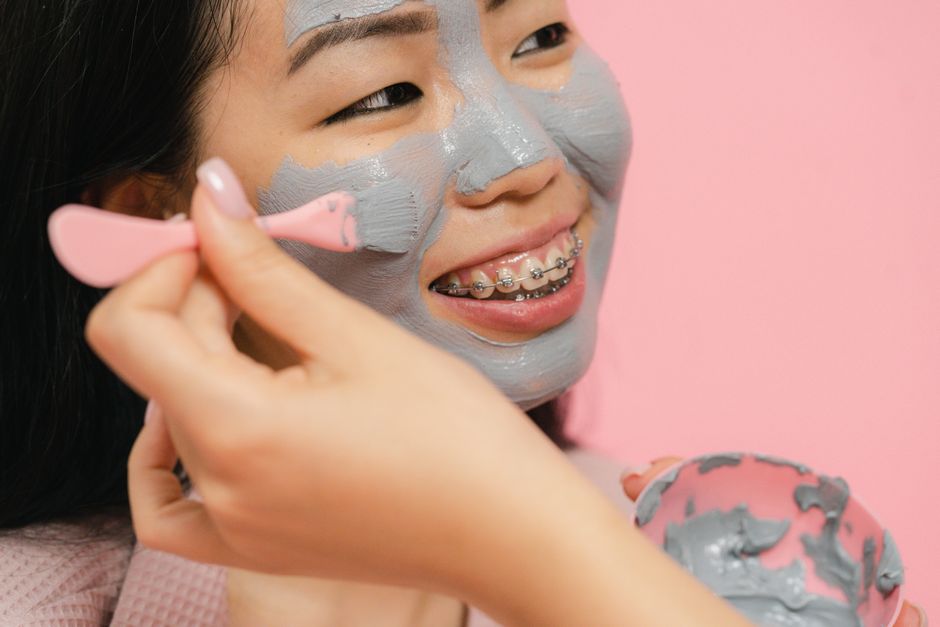
The first week with braces requires a soft food diet. Stick to foods that need little chewing: yogurt, mashed potatoes, smoothies, scrambled eggs, soup, oatmeal, applesauce, and well-cooked pasta. Avoid anything hard, crunchy, sticky, or chewy. This protects your braces from damage and keeps your sore mouth comfortable.
What soft foods can you eat the first week with braces?
Dairy foods are excellent choices. Yogurt, cottage cheese, pudding, and soft cheese need no chewing. Milk shakes and smoothies are easy to swallow and can add protein and calories. Eggs are another safe option — scrambled, poached, or as an omelet with soft fillings. Cook them thoroughly to avoid rubbery textures.
Grains should be very soft. Oatmeal, cream of wheat, and soft bread without crusts work. Pancakes soak up syrup and become tender. Pasta cooked until tender — not al dente — is fine. Avoid long strands that might tangle on brackets; short shapes like macaroni or orzo are easier.
Fruits and vegetables need preparation. Peel and cook apples, pears, or carrots until soft. Applesauce, mashed bananas, and avocado are ready to eat. Canned fruits like peaches or pears in juice are naturally soft. steamed vegetables like zucchini, cauliflower, or spinach blend well into soups.
Protein sources besides eggs include well-cooked fish, ground meat in sauces, and tofu. Slow-cook chicken until it shreds easily. Beans and lentils mashed or pureed work. Nut butters on soft bread provide protein without crunch — just avoid nut pieces.
Which foods and textures should you avoid the first week?
Hard foods can break brackets and bend wires. Nuts, seeds, popcorn, hard candy, ice chips, and raw vegetables like carrots or celery are off limits. Crusty bread, hard rolls, and crackers also risk damage. Even potato chips and tortilla chips are too crunchy.
Sticky foods pull at brackets and get stuck. Caramel, taffy, chewing gum, licorice, and sticky chocolate bars can loosen brackets. Dried fruits like raisins or dates are also sticky. Chewy breads like bagels and thick pizza crusts require pulling that can harm braces.
Sugary and acidic foods increase cavity risk because food gets trapped around brackets. Soda, sports drinks, sweetened juices, and candy feed bacteria. Limiting sugary soft foods like jello or ice cream is wise even though they are safe for braces. Rinse your mouth with water after eating if you cannot brush right away.
Corn on the cob, whole apples, and raw carrots must be cut off the cob or sliced thinly. Never bite directly into hard or dense foods — always cut them into small, manageable pieces even after the first week.
How should you prepare meals to protect your braces?
Cooking methods matter. Steam, boil, bake, or slow-cook foods until tender. Roast vegetables with olive oil so they become soft. Avoid frying, which creates hard crusts. Cut all fruits and vegetables into small pieces — pea-sized or smaller is ideal. Use a food processor or blender for purees.
Meat should be cooked until it shreds easily with a fork. Slow-cooked pulled pork or chicken works. Ground meat in sauces, meatballs made with breadcrumbs, and meatloaf are soft enough. Fish like salmon or cod flakes apart with light pressure.
For grains, cook them longer than usual. Overnight oats become very soft. Rice cooked with extra water turns creamy. Pasta boiled 2–3 minutes past al dente is safer. Bread can be toasted lightly only — avoid hard crusts. Remove crusts from sandwiches or choose soft wraps.
Blending and mashing are your best friends. Smoothies with banana, spinach, yogurt, and milk provide nutrition. Blend cooked vegetables into soups. Mash potatoes, cauliflower, or sweet potatoes with butter or broth. Pureed lentil or bean soups are filling and protein-rich.

What about pain and soreness after getting braces?
It is normal to have sore teeth and gums for three to five days after braces are placed. Chewing pressure increases discomfort, so soft foods reduce pain. Cold foods and drinks like ice water, smoothies, or cold yogurt can numb sore areas. Some orthodontists recommend eating cold foods like ice cream for the first day to help with pain.
Over-the-counter pain relievers can help if needed. Ibuprofen or acetaminophen taken as directed reduces inflammation and discomfort. Always follow the dosage instructions on the bottle. Avoid chewing on the sore side if only certain teeth are tender.
Your mouth may also develop small sores from brackets rubbing against cheeks and lips. Orthodontic wax applied to sharp brackets helps. Rinsing with warm salt water (half teaspoon salt in a cup of warm water) can soothe irritated tissues.
Can you eat normal foods after the first week?
Most people return to a near-normal diet after the first week once soreness fades. However, you must permanently avoid hard and sticky foods that can damage braces. Biting directly into an apple, chewing ice, or eating popcorn remains risky for the entire time you wear braces — typically 12 to 24 months.
After the first week, you can add slightly firmer foods as long as you cut them into small pieces. Cooked vegetables, tender meat, and softer breads are fine. Crunchy foods like raw carrots or crackers require caution — cut them small and chew with your back teeth. Always follow your orthodontist’s specific instructions.
If a bracket loosens or a wire breaks, call your orthodontist. Do not try to fix it yourself. Until it is repaired, stick to soft foods to avoid further damage.
Frequently Asked Questions
Can I eat pizza with braces the first week?
No. Pizza crust is too hard and chewy for the first week. The chewing motion can loosen brackets and cause pain. After the first week, you can eat pizza if you cut it into small pieces and avoid the hard outer crust.
What are the best breakfast foods for braces the first week?
Soft breakfast options include oatmeal, scrambled eggs, yogurt, pancakes without syrup, and smoothies. Avoid crunchy cereals, granola, bagels, and toast with hard crusts.
Can I eat chips or french fries with braces?
French fries are safe if they are soft and not crispy. Potato chips and tortilla chips are too crunchy and can break brackets. Avoid them entirely while wearing braces.
How long do I need to eat only soft foods after getting braces?
Most people need a soft-food diet for about three to seven days, until soreness subsides. After that, you can gradually add firmer foods but must continue to avoid hard and sticky items for the entire time braces are on.
