
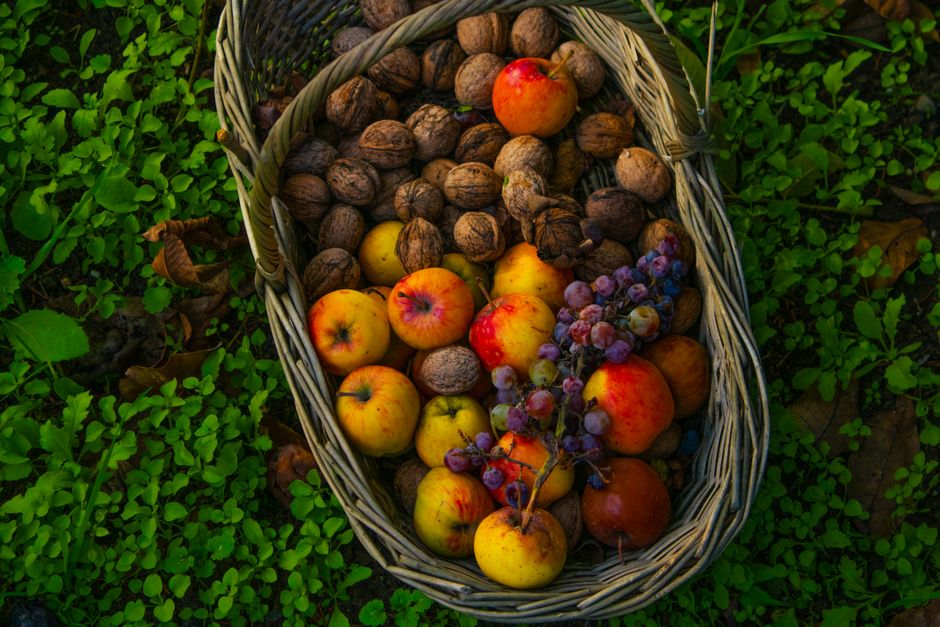
Apples pair well with cheese, yogurt, nuts, seeds, hummus, oatmeal, and dark chocolate. These combinations add protein, fat, or fiber that plain fruit alone does not provide, and most take less than a minute to put together.
Peanut butter gets all the attention because it is easy, cheap, and filling. But it is not the only option, and for people with a peanut allergy, a tree nut allergy, or a school lunchbox rule to work around, it is not an option at all.
The real question is not just what tastes good with an apple. It is what keeps you full longer, what adds nutrients the apple lacks, and what fits the way you actually eat during a normal day.
Why Pair Apples With Anything at All?
An apple on its own is mostly water and carbohydrate. A medium apple with the skin on provides about 4 grams of fiber and roughly 95 calories, according to USDA data. That is a decent snack, but it moves through your stomach fairly quickly.
Adding protein, fat, or extra fiber slows digestion and helps flatten the blood sugar rise that comes from eating carbohydrate alone. That is the basic reason a plain apple can leave you hungry an hour later while an apple with cheese or nuts often does not.
There is a second reason that gets less attention. Apples contain useful nutrients, but they are not a complete food. Pairing them with a protein or fat source fills in what the fruit is missing, which matters more if the snack is standing in for a meal.
One clarification worth making: the type of apple matters less than most people think for nutrition purposes. A Honeycrisp and a Granny Smith differ in sweetness and texture, but their calorie and fiber counts are close. Pick the one you will actually eat.
What To Eat With Apples Besides Peanut Butter?
Cheese is the classic answer for good reason. Cheddar, Swiss, gouda, and brie all work, and the combination shows up in cultures from the American Midwest to northern Europe. A slice of cheddar adds protein and fat that the apple does not have on its own.
Greek yogurt is another strong option. Plain Greek yogurt is higher in protein than regular yogurt, and it works as a dip with a little cinnamon stirred in. If you want something closer to a dessert, a spoon of honey or maple syrup changes the flavor without much effort.
Nuts and seeds cover a wide range. Almonds, walnuts, pecans, pistachios, pumpkin seeds, and sunflower seeds all pair well. For anyone avoiding peanut butter because of a peanut allergy, almond butter and sunflower seed butter are common substitutes. People with tree nut allergies should check labels carefully, since cross-contact is a real concern in some facilities.
Hummus sounds unusual with apple but works surprisingly well. The chickpeas bring protein and fiber, and the savory flavor balances the fruit’s sweetness. It is a common snack in households that already keep hummus in the fridge.
Oatmeal turns an apple into something closer to a meal. Chopped apple stirred into cooked oats adds texture and fiber. A spoon of almond butter or a handful of walnuts on top rounds it out.
Dark chocolate is the dessert-leaning option. Chocolate with a higher cocoa percentage tends to have less sugar than milk chocolate, though it still contains fat and calories. A few squares alongside apple slices is a reasonable portion.
Other options worth trying:
- Cottage cheese, which is high in protein and mild in flavor
- Ricotta with a drizzle of honey
- Tahini, either plain or thinned with lemon juice
- Trail mix with dried fruit and seeds
- Sliced turkey or ham for a savory, higher-protein snack
- A small handful of granola over sliced apple
How Do These Pairings Compare Nutritionally?
The table below shows approximate values for common pairings. These are general figures based on USDA data for standard serving sizes, and they vary by brand and portion.
| Pairing | Main Nutrient Added | Approx. Protein | Best For |
|---|---|---|---|
| Apple + 1 oz cheddar | Protein, fat, calcium | 7 g | Sustained fullness |
| Apple + 1 tbsp almond butter | Protein, fat, vitamin E | 3 g | Peanut-free households |
| Apple + 1/2 cup plain Greek yogurt | Protein, calcium, probiotics | 10 g | Higher-protein snack |
| Apple + 1/4 cup hummus | Protein, fiber, iron | 5 g | Plant-based snacking |
| Apple + 1 oz walnuts | Fat, omega-3 ALA | 4 g | Heart-healthy fats |
| Apple + 1/2 cup oatmeal | Fiber, complex carbs | 3 g | Breakfast or pre-workout |
These numbers are estimates, not exact values. Portion size changes everything. Two tablespoons of almond butter instead of one roughly doubles the fat and calories.





Which Pairings Keep You Full the Longest?
Combinations that include both protein and fat tend to hold hunger off longer than carbohydrate alone. That is well established in nutrition research, even though the exact effect varies from person to person.
Greek yogurt, cottage cheese, cheese, and nuts are the strongest options on that front. Hummus and oatmeal sit in the middle. Dark chocolate and honey-drizzled ricotta are better thought of as treats than as hunger management.
Timing matters too. An apple with protein before a workout or a long stretch without food does more for you than the same snack eaten right before a meal. If you are eating it ten minutes before dinner, the pairing matters less.
Individual response varies more than most people expect. Two people can eat the same snack and feel full for very different lengths of time. Blood sugar response, activity level, and what you ate earlier in the day all play a role.
What About Apples for People With Diabetes?
Apples are a reasonable fruit choice for most people with diabetes. They have a relatively low glycemic index compared with many other fruits, and the fiber in the skin slows glucose absorption.
Pairing an apple with protein or fat tends to blunt the blood sugar rise further. Cheese, nuts, Greek yogurt, and nut butters are common choices for this reason. The American Diabetes Association generally supports fruit as part of a balanced eating pattern, though individual carbohydrate targets vary.
Anyone managing blood sugar with medication, especially insulin, should treat snack composition as a conversation to have with their care team. General guidance does not replace individual medical advice, and portion size still matters.
Are There Pairings To Avoid?
Few apple pairings are genuinely problematic. The bigger issue is portion size and what else is in the snack.
Caramel apples and candy-coated apples are closer to dessert than snack. A large caramel apple can carry more sugar than a candy bar. That does not make it off-limits, but it is not the same thing as an apple with almonds.
Fruit juice alongside an apple adds sugar without the fiber. Sweetened yogurt does the same. If you are choosing yogurt as a pairing, plain is usually the better base because you control what goes in.
For people with specific conditions, some pairings need attention. Anyone with lactose intolerance may want to skip cheese and yogurt in favor of nuts, seeds, or hummus. People on potassium-restricted diets should talk to their clinician about fruit intake generally, since apples do contain potassium.
None of this is meant to make snacking complicated. The main point is that an apple with something is usually a better snack than an apple alone, and the something does not have to be peanut butter.
Frequently Asked Questions
What can I eat with apples if I have a peanut allergy?
Cheese, Greek yogurt, hummus, sunflower seed butter, and almond butter are all common alternatives. People with tree nut allergies as well as peanut allergies should check labels for cross-contact warnings.
Is apple with cheese a healthy snack?
Yes, for most people. The cheese adds protein and fat, which helps the snack keep you full longer than an apple alone.
What goes well with apples for breakfast?
Oatmeal, Greek yogurt, and cottage cheese are the most common breakfast pairings. Chopped apple stirred into oats with a spoon of nut butter makes a filling start to the day.
Are apples good for people with diabetes?
Apples are generally a suitable fruit choice for people with diabetes because of their fiber content and relatively low glycemic index. Individual carbohydrate targets vary, so anyone using insulin should confirm portions with their care team.
