

Nausea makes food feel like the enemy. But eating the right things — and avoiding the wrong ones — can actually calm your stomach and help you feel better faster.
The best choices are bland, low-fat, and easy to digest: plain crackers, dry toast, bananas, white rice, applesauce, and clear broths. Small amounts matter more than big meals. Cold foods often go down easier than hot ones because their smell is weaker, and smell is a major nausea trigger. Ginger and cold water or ice chips can help settle the stomach too. Skip anything greasy, spicy, or heavy until you feel steady again.
Why Does Eating Help When You Feel Like You Cannot Eat?
An empty stomach often makes nausea worse, not better. That surprises many people, but the physiology is well understood.
When your stomach is empty, gastric acid still gets produced. With nothing to buffer it, that acid can irritate the stomach lining and trigger the nausea reflex. Low blood sugar can add to the problem. It can cause weakness, shakiness, and a wave of queasiness that makes eating feel impossible.
The fix is not a full meal. It is small, frequent amounts of plain food. A few crackers every hour or two can be enough to settle the stomach without overwhelming it. The goal is to keep something neutral in your stomach without triggering the nausea center in your brain.
One non-obvious point: nausea and vomiting are controlled by a region in the brainstem called the area postrema. It sits outside the blood-brain barrier, which means it samples your blood directly for toxins, hormones, and metabolic signals. That is why nausea can come from so many causes — motion, infection, medication, pregnancy, migraine — and why the same food strategies tend to help across all of them.
What Foods Are Easiest on a Nauseous Stomach?
Bland, low-fat, low-odor foods are the safest starting point. These are the foods most clinicians suggest first, and they are backed by long-standing clinical practice.
- Plain crackers or saltines — dry, neutral, and easy to nibble slowly
- Dry toast — plain white bread works better than whole grain at first
- Bananas — soft, mild, and easy to keep down
- White rice — plain, no butter or sauce
- Applesauce — smooth texture, mild flavor
- Plain pasta or noodles — no oil-heavy sauces
- Clear broth — warm or cool, helps replace fluids and sodium
- Plain oatmeal — soft and low in fat
- Boiled or baked potato — no butter, no skin if you are sensitive
- Plain yogurt — some people tolerate it well, others do not
The BRAT diet — bananas, rice, applesauce, toast — is a well-known starting framework. It is not a complete nutrition plan and should not be followed long-term, but for a day or two of nausea it is a reasonable, gentle option.
Temperature matters more than most people realize. Cold or room-temperature foods give off fewer volatile compounds, so they smell less. Since smell is one of the strongest nausea triggers, a cold turkey sandwich often goes down easier than a hot one.
Which Foods and Drinks Should You Avoid?
Fat, spice, and strong smells are the main offenders. They slow stomach emptying and stimulate acid production, both of which can make nausea worse.
Foods and drinks worth avoiding until you feel better:
- Fried or greasy foods — they sit in the stomach longer
- Spicy dishes — capsaicin can irritate an already sensitive stomach
- Heavy cream sauces and rich desserts
- Strong-smelling foods like fish, onions, or garlic
- Citrus and tomato products — acidic and often irritating
- Coffee and strong tea — caffeine can worsen nausea
- Alcohol — irritates the stomach lining directly
- Very sweet foods — high sugar can slow digestion
Cold drinks are usually better tolerated than hot ones, again because of smell. But avoid drinking large volumes quickly. Chugging fluids can distend the stomach and trigger a wave of nausea. Sip slowly instead.


Can Ginger, Peppermint, or Other Remedies Actually Help?
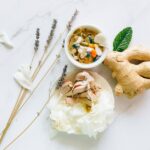
Ginger has the strongest evidence of any food-based remedy for nausea. Several studies and reviews have found it helpful for motion sickness and for nausea during pregnancy. The evidence for other types of nausea is more mixed.
Ginger can be taken as tea, chews, or capsules. If you are pregnant, talk to your doctor before using ginger supplements — the amount in food and tea is generally considered fine, but concentrated doses should be discussed with a clinician.
Peppermint tea or peppermint lozenges help some people. The evidence is weaker than for ginger. Peppermint may relax the stomach muscle, which could help with cramping. But it can also worsen acid reflux in some people, so it is not a universal fix.
Other options people try include:
- Cold water or ice chips — simple and often effective
- Small sips of clear soda — flat, not fizzy, works better for most
- Salty foods — pretzels or broth can help if you are low on sodium
- Vitamin B6 — some evidence for pregnancy-related nausea, under medical guidance
What does not have good evidence: most over-the-counter “stomach soothers” marketed for nausea. Many contain sugar and flavoring with no active ingredient shown to help. If nausea is persistent, that is a sign to see a doctor rather than try more remedies.
How Should You Eat When You Feel Nauseous?
How you eat matters almost as much as what you eat. The wrong approach — even with the right food — can trigger nausea.
Start with small amounts. A few bites, then wait. If those stay down, eat a little more. Do not force a full meal. Your goal is to test the waters, not to finish a plate.
Eat slowly and chew well. Rushing sends larger particles into the stomach and can make nausea worse.
Try eating every two to three hours rather than three large meals. Small, frequent eating keeps the stomach from becoming either empty or overly full — both of which can trigger nausea.
Sit upright for at least 30 minutes after eating. Lying down right after a meal can let stomach contents move back up and worsen nausea.
Separate drinking from eating. Too much liquid with a meal can make you feel overly full. Sip fluids between meals instead.
If you can, let someone else cook. The smell of food cooking is often worse than the food itself. Cold meals avoid this problem entirely.
When Is Nausea a Sign You Should See a Doctor?
Most short-term nausea from a virus, motion sickness, or a passing stomach upset resolves on its own. But some signs mean you should get medical care.
Seek medical attention if you have:
- Nausea with severe abdominal pain
- Vomiting blood or material that looks like coffee grounds
- Signs of dehydration — dry mouth, dark urine, dizziness on standing
- Nausea lasting more than a few days without a clear cause
- Nausea with a severe headache, confusion, or stiff neck
- Nausea after a head injury
- Nausea with chest pain or shortness of breath
- Unexplained weight loss along with nausea
Persistent nausea can also be a side effect of medication. Do not stop any prescription on your own — call your doctor or pharmacist first.
For pregnant women, nausea is common in early pregnancy and usually manageable with food strategies. But severe nausea with vomiting — called hyperemesis gravidarum — needs medical care. If you cannot keep fluids down, call your doctor.
In children, the threshold for concern is lower. A child who is lethargic, not urinating, or vomiting repeatedly should be seen promptly. No clinical guidelines support treating persistent nausea in young children with adult remedies or adult doses — check with a pediatrician first.
What About Hydration When You Cannot Keep Food Down?
Fluids matter as much as food. Dehydration can make nausea worse and cause dizziness, weakness, and confusion.
Take small sips often. A large glass of water can trigger vomiting. Aim for a few tablespoons every 15 to 20 minutes instead.
Oral rehydration solutions — the kind sold in pharmacies for diarrhea and vomiting — are better than plain water when you have been losing fluids. They contain the right balance of sodium, potassium, and glucose. Sports drinks are a reasonable substitute in a pinch, though they contain more sugar than needed.
Watch for dark urine, dry mouth, or dizziness when standing. These are signs of dehydration and a reason to get medical help.
Frequently Asked Questions
What is the best thing to eat when you feel nauseous?
Plain crackers, dry toast, bananas, white rice, and applesauce are the safest starting foods. They are bland, low in fat, and easy to digest.
Does ginger really help with nausea?
Ginger has the strongest evidence of any food-based remedy, particularly for motion sickness and pregnancy-related nausea. Evidence for other causes is more mixed.
Should you eat when you feel like throwing up?
Yes, small amounts of bland food often help because an empty stomach can make nausea worse. Start with a few bites and wait to see how your stomach responds.
What drinks help settle a nauseous stomach?
Cold water sipped slowly, clear broth, ginger tea, and oral rehydration solutions are the most reliable options. Avoid coffee, alcohol, and large amounts of any drink at once.
