
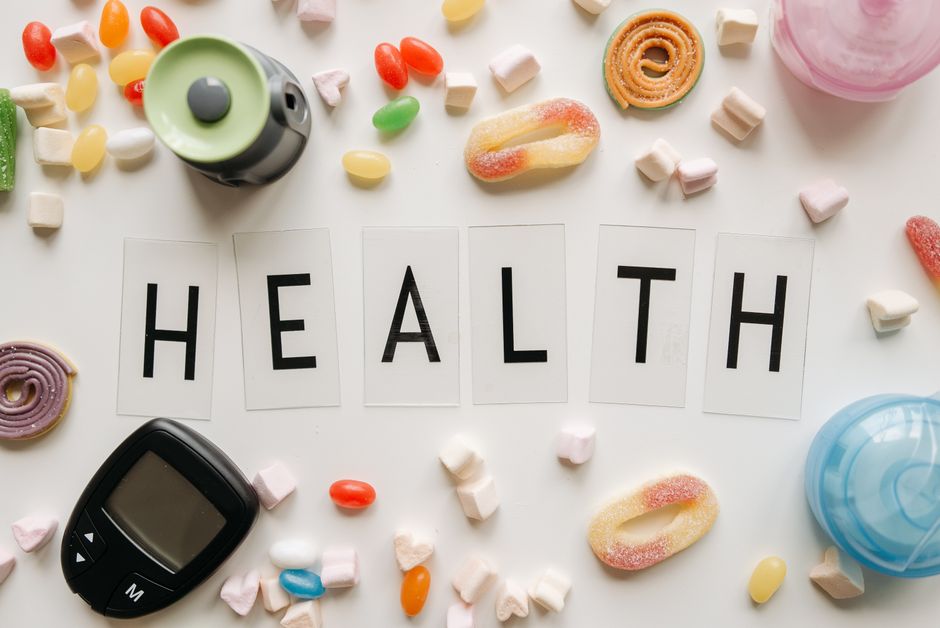
When your blood sugar drops too low, the fastest fix is glucose — about 15 grams of it. That means 4 ounces of juice or regular soda, 1 tablespoon of sugar or honey, or 3 to 4 glucose tablets. These simple sugars raise blood glucose within minutes because they need almost no digestion. The key is to treat the low first, then eat a snack or meal to keep it from coming back down.
What counts as low blood sugar?
For most people with diabetes, a blood glucose reading below 70 mg/dL is considered low. This threshold comes from standard diabetes care guidance and is widely used by clinicians.
Symptoms can include shakiness, sweating, a fast heartbeat, hunger, dizziness, and confusion. Some people feel symptoms before they reach 70 mg/dL. Others, especially those who have had diabetes for many years, may not feel symptoms until glucose is much lower. This is called hypoglycemia unawareness, and it is a real safety concern.
Low blood sugar is mainly a concern for people who take insulin or certain diabetes medications, such as sulfonylureas. People without diabetes can occasionally have a low reading after prolonged fasting or intense exercise, but true clinical hypoglycemia in people without diabetes is uncommon and usually has an underlying cause that deserves medical attention.
What To Eat When Your Blood Sugar Is Low Quick Fixes
The rule of 15 is the standard approach. Eat or drink 15 grams of fast-acting carbohydrate, wait 15 minutes, then check your blood sugar again. If it is still below 70 mg/dL, repeat the treatment.
Fast-acting carbohydrate means simple sugar with little or no fat, fiber, or protein. Fat and fiber slow digestion, which slows how quickly glucose reaches your bloodstream. That is helpful in a normal meal but not when you need a rapid rise.
Good fast options for 15 grams of carbohydrate
- 4 ounces (half a cup) of fruit juice or regular soda
- 1 tablespoon of sugar, honey, or corn syrup
- 3 to 4 glucose tablets (check the label — amounts vary by brand)
- 1 tube of glucose gel
- 2 tablespoons of raisins
- 1 tablespoon of jam or jelly (not sugar-free)
- Hard candy — check the label, since the number needed varies by brand
Glucose tablets and gels are made specifically for this purpose. They are pre-measured, portable, and absorbed quickly. Many clinicians recommend them because you do not have to estimate portions in a stressful moment.
What should you avoid during a low?
Chocolate and candy bars are poor choices for treating a low. Their fat content slows sugar absorption, so the rise is slower than with pure glucose. This surprises people, because chocolate feels like a fast sugar fix. It is not.
Other foods to avoid during a low include:
- Foods labeled sugar-free or diet — they often contain sweeteners that do not raise blood glucose
- High-fiber foods like whole grains and legumes, which digest slowly
- Foods with a lot of fat, like cheese, nuts, or fried foods
- Alcohol, which can lower blood sugar further and impair your ability to respond
One point that gets overlooked: if you take acarbose or miglitol, a class of diabetes drugs that block carbohydrate breakdown, plain table sugar may not work well. These medications slow the digestion of sucrose. For people on these drugs, glucose tablets or glucose gel are the better choice, because glucose is absorbed directly. This is a situation where you should follow your own clinician’s instructions.
Why do you need to follow up with a snack or meal?
The quick fix treats the low. It does not prevent the next one. Fast-acting carbohydrate raises glucose quickly, but it also clears quickly. Without a follow-up, glucose can drop again within an hour or so.
Once glucose is back above 70 mg/dL and you are stable, eat a snack or meal that combines carbohydrate with protein or fat. Examples include crackers with cheese, half a sandwich, or a small serving of yogurt with fruit. If your next scheduled meal is more than an hour or two away, a snack is especially important.
If you take insulin, talk with your care team about how to adjust doses around lows. Repeated lows often point to a need to review your medication regimen. They are not something to simply treat and ignore.
What if the person cannot swallow or is unconscious?
Never give food or drink to someone who is unconscious or unable to swallow. It is a choking risk. In this situation, the standard emergency treatment is glucagon, which is available by prescription as an injection or a nasal spray. If someone is unresponsive, call emergency services.
People who take insulin or are at high risk of severe lows are often prescribed glucagon and trained to use it. Family members and coworkers can be taught as well. If you or someone you care for is at risk, ask a clinician whether a glucagon prescription makes sense.
How can you prevent low blood sugar in the first place?
Prevention comes down to matching food, activity, and medication. Skipping meals, drinking alcohol without eating, and unusual exercise can all push glucose down, especially when insulin or certain medications are involved.
Checking your blood sugar regularly helps you spot patterns. If lows happen at the same time of day or after the same activity, that is useful information for your care team. Some people keep fast-acting carbohydrate within reach at all times — in a bag, a car, a desk drawer, and by the bed. That is practical, not paranoid.
If you have had a severe low — one that required help from another person — tell your clinician. Severe lows are a signal to review your treatment plan, and guidance on this is well established in diabetes care.
Is low blood sugar a concern for people without diabetes?
True hypoglycemia in people without diabetes is uncommon. When it does happen, it usually has a cause, such as certain medications, heavy alcohol use, prolonged fasting, or a hormonal or metabolic condition. It is not something to self-diagnose or self-treat with repeated sugar fixes.
If you have recurring symptoms that feel like low blood sugar — shakiness, sweating, confusion that improves after eating — see a clinician. A proper evaluation looks at blood work and timing of symptoms rather than relying on how you feel. The evidence here is that symptoms alone are not a reliable way to diagnose hypoglycemia in people without diabetes.
Frequently Asked Questions
How many grams of sugar do you need to raise low blood sugar?
The standard amount is 15 grams of fast-acting carbohydrate, followed by a recheck in 15 minutes. If glucose is still below 70 mg/dL, repeat the 15 grams.
Can I use chocolate to treat low blood sugar?
Chocolate is a poor choice because its fat slows sugar absorption. Use juice, glucose tablets, or plain sugar instead.
What should I eat after my blood sugar comes back up?
Eat a snack or meal that pairs carbohydrate with protein or fat, such as crackers with cheese. This helps keep glucose from dropping again.
Can I give juice to someone who is unconscious from low blood sugar?
No. Never give food or drink to someone who cannot swallow. Call emergency services and use prescribed glucagon if available and you are trained to do so.
