
Bloating is that tight, swollen feeling in your belly that makes your pants feel uncomfortable by mid-afternoon. It happens when gas builds up in your digestive tract, and what you eat directly influences how much gas your gut produces. The right foods can ease the pressure and help your digestive system move things along, while the wrong ones can make the problem worse. Here is what you need to know about eating when you feel bloated.
What Causes Bloating in the First Place?
Bloating happens when gas gets trapped in your stomach or intestines. Everyone produces gas as a normal byproduct of digestion. The issue is when that gas cannot pass easily, or when your body produces more of it than usual.
Certain foods are more likely to cause gas than others. Foods high in fiber, complex carbohydrates, and specific types of sugars ferment in your large intestine. That fermentation process releases gas. Some people also swallow air when they eat too fast, drink through a straw, or chew gum, which adds to the problem.
Underlying conditions like irritable bowel syndrome (IBS), food intolerances, or small intestinal bacterial overgrowth (SIBO) can make bloating more frequent and more severe. If bloating is persistent and painful, it is worth discussing with a doctor rather than assuming it is just diet-related.
What to Eat When You Feel Bloated
When you are already bloated, the goal is to choose foods that are easy to digest and low in fermentable carbohydrates. These foods are less likely to create additional gas in your gut.
Ginger is one of the most well-studied options. Research has shown that ginger helps speed up gastric emptying, which means food moves out of your stomach and into your intestines faster. That reduces the feeling of fullness and pressure. You can sip ginger tea or add fresh ginger to warm water.
Bananas are another solid choice. They provide potassium, which helps regulate fluid balance in your body. They are also gentle on the stomach and less likely to cause gas compared to many other fruits.
Fennel seeds have a long history of use for digestive complaints. Some studies suggest fennel can help relax the muscles in the intestinal wall, which may allow trapped gas to pass more easily. Chewing a small amount of fennel seeds after a meal is a traditional approach that many people find helpful.
Other low-gas options include:
- Cooked zucchini or summer squash
- White rice or quinoa
- Plain chicken or fish, grilled or baked without heavy sauces
- Cucumber slices
- Papaya, which contains an enzyme called papain that may aid protein digestion
- Plain yogurt with live cultures, if you tolerate dairy well
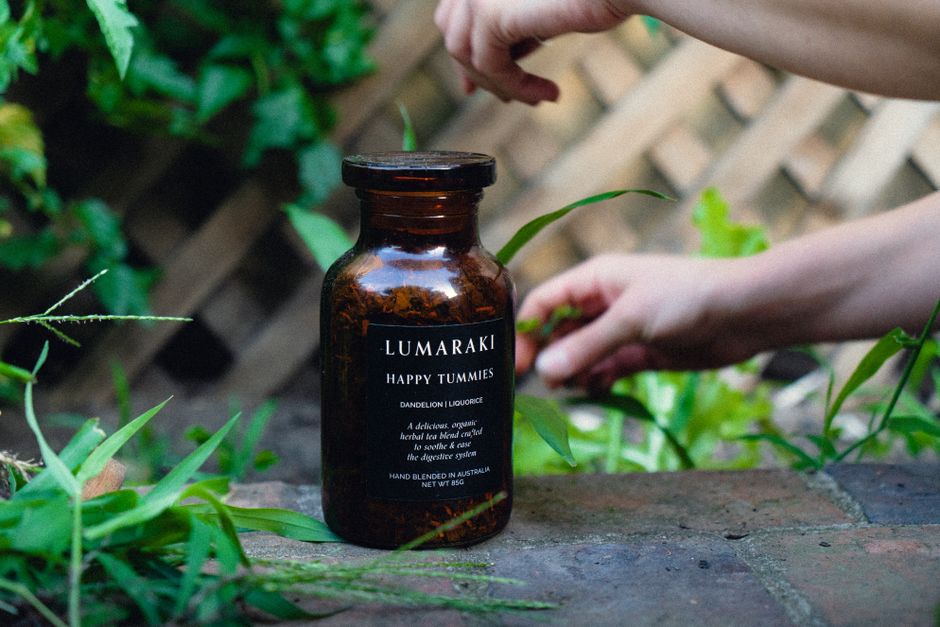
Warm liquids like broth-based soups or herbal teas can also help. Warmth encourages blood flow to the digestive tract and may help stimulate normal gut contractions.
Foods to Avoid When You Are Bloated
Some foods are known gas producers. Avoiding them for a day or two while your digestive system settles can make a noticeable difference.
Beans and lentils contain oligosaccharides, complex sugars that your body cannot fully break down. When these reach your large intestine, bacteria ferment them and produce gas. This is why beans are famous for causing bloating.
Cruciferous vegetables like broccoli, cauliflower, cabbage, and Brussels sprouts also contain these fermentable carbohydrates. Cooking them thoroughly can reduce their gas-producing potential, but they can still be problematic for sensitive people.
Carbonated drinks introduce carbon dioxide directly into your stomach. That gas has to escape somehow, and it often contributes to bloating. This includes soda, sparkling water, and beer.
Artificial sweeteners like sorbitol, mannitol, and xylitol are poorly absorbed by the small intestine. They draw water into the gut and ferment in the colon, which can cause bloating and diarrhea. Check ingredient labels on sugar-free gum, candy, and protein bars.
High-fat fried foods slow down digestion. When food sits in your stomach longer, you feel fuller and more uncomfortable. Fat is not inherently gas-producing, but it delays gastric emptying, which can worsen bloating.
Dairy products are a common trigger for people with lactose intolerance. If you notice bloating after milk, cheese, or ice cream, lactose may be the culprit. Lactose-free versions are widely available.




How to Eat to Prevent Bloating
How you eat matters just as much as what you eat. Simple changes to your eating habits can reduce the amount of air you swallow and give your digestive system an easier job.
Eat slowly. When you rush through a meal, you swallow more air. That air has nowhere to go except through your digestive tract. Putting your fork down between bites and chewing thoroughly can cut down on swallowed air significantly.
Chew your food well. Digestion starts in your mouth. Saliva contains enzymes that begin breaking down carbohydrates. Larger food particles that reach your stomach and intestines are harder to digest and can ferment more in the colon.
Avoid talking while chewing. This is another way air enters your digestive system. It sounds simple, but it makes a difference for people prone to bloating.
Be consistent with meals. Eating at roughly the same times each day helps your digestive system work on a predictable schedule. Large, irregular meals can overwhelm the digestive process.
Regular physical activity also helps. Even a short walk after a meal can stimulate intestinal contractions and help gas move through your system. Gentle movement is often more effective than lying down after eating.
When Bloating Signals a Bigger Problem
Most bloating is temporary and harmless. But sometimes it points to a condition that needs medical attention.
See a doctor if bloating is accompanied by any of these signs:
- Severe abdominal pain that does not go away
- Unexplained weight loss
- Blood in your stool
- Persistent diarrhea or constipation
- Bloating that lasts more than two weeks despite dietary changes
Bloating can be a symptom of conditions like celiac disease, inflammatory bowel disease, or ovarian cancer in some cases. These are not common explanations for occasional bloating, but they are serious enough that persistent symptoms deserve proper evaluation.
If you suspect a food intolerance, keep a food diary for a few weeks. Write down what you eat and when you feel bloated. Patterns often emerge that help you identify specific triggers. An elimination diet under the guidance of a healthcare professional can then confirm which foods are problematic.
Do Probiotics Help With Bloating?
Probiotics are live bacteria that may help balance your gut microbiome. The evidence for their effect on bloating is mixed. Some studies show certain strains reduce bloating in people with IBS, while other studies find no meaningful benefit.
If you want to try probiotics, look for products that specify the strain and the dose. Different strains have different effects. Bifidobacterium lactis and Lactobacillus acidophilus are among the most studied for digestive symptoms. Give any probiotic at least four weeks before judging whether it helps, and stop if it makes bloating worse.
Fermented foods like yogurt, kefir, sauerkraut, and kimchi are natural sources of probiotics. They can be part of a healthy diet, but they are not a guaranteed cure for bloating. Some people actually find fermented foods worsen their symptoms, especially if they have histamine sensitivity.
What About Over-the-Counter Remedies?
Simethicone is the active ingredient in products like Gas-X. It works by breaking up gas bubbles in your stomach so they can pass more easily. It is not absorbed by your body and is generally considered safe. It works best for gas that is higher up in the digestive tract.
Digestive enzyme supplements are another option. Lactase supplements can help people with lactose intolerance digest dairy. Alpha-galactosidase, found in products like Beano, helps break down the oligosaccharides in beans and cruciferous vegetables. These enzymes must be taken with the first bite of the triggering food to be effective.
Peppermint oil capsules are sometimes recommended for bloating related to IBS. Some clinical trials have found them helpful for reducing abdominal pain and bloating. They work by relaxing the smooth muscle of the intestines. Enteric-coated capsules are important because they allow the oil to reach the intestines rather than dissolving in the stomach.
Frequently Asked Questions
How long does bloating usually last?
Most bloating from food resolves within a few hours as gas passes through your system. If bloating lasts more than two days despite dietary changes, it is worth checking with a doctor.
Is drinking water good for bloating?
Yes, plain water helps keep things moving through your digestive tract and can reduce water retention. Sip water steadily throughout the day rather than gulping large amounts at once.
Can stress cause bloating?
Yes, stress affects gut motility and can slow or speed up digestion, which may contribute to bloating. The gut and brain are directly connected through the nervous system.
Are bananas actually good for bloating?
Yes, bananas are low in fermentable carbohydrates and provide potassium, which helps balance fluids in the body. They are one of the safer fruits to eat when you feel bloated.
