
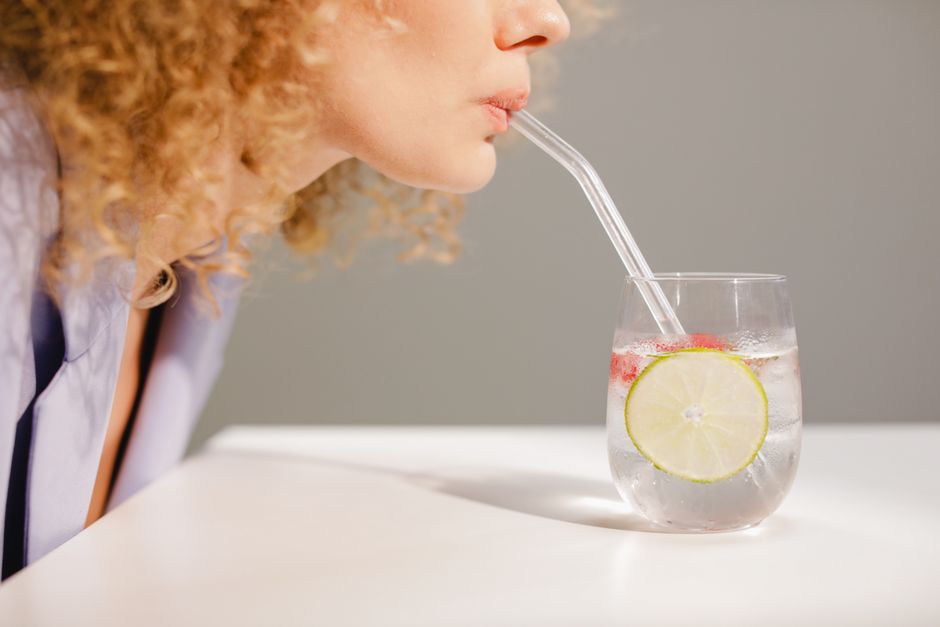
Drinking alcohol affects how your body absorbs nutrients and how it handles food. What you eat before, during, and after drinking can change how you feel, how quickly alcohol hits you, and how rough your morning after is. The short answer: eat a balanced meal with protein, complex carbs, and healthy fats before you start. Eat light, protein-rich snacks while you drink. And after drinking, focus on hydration, electrolytes, and easily digestible foods.
Why Does Food Matter When You Drink?
Alcohol is absorbed directly into your bloodstream through your stomach and small intestine. When your stomach is empty, alcohol passes into your intestine quickly, which means it enters your blood fast and reaches a higher peak level.
Food slows this process down. A full stomach keeps alcohol in the stomach longer, giving your body more time to metabolize it. The result is a slower rise in blood alcohol concentration, which usually means you feel less intoxicated and have a milder hangover the next day.
Food also helps maintain blood sugar. Alcohol can cause blood sugar to drop, especially if you have not eaten. That drop contributes to the weakness, shakiness, and headache people often feel after drinking.
What To Eat Before Drinking
The best pre-drinking meal is one you would eat for a normal, balanced dinner. Aim for a combination of protein, complex carbohydrates, and fat.
Protein slows gastric emptying, which keeps food in your stomach longer. Complex carbohydrates like whole grains, beans, and vegetables digest slowly and provide a steady release of glucose into your bloodstream. Fat also slows digestion and helps you feel full.
Good options include:
- Grilled chicken or fish with rice and vegetables
- A bean and cheese burrito on a whole wheat tortilla
- Eggs with whole grain toast and avocado
- Greek yogurt with oats and fruit
- Pasta with lean meat sauce and a side salad
Eat this meal one to two hours before you start drinking. Eating too close to drinking can cause stomach discomfort, especially with carbonated or acidic drinks.
One important note: eating a large, heavy meal right before drinking does not prevent intoxication. It only delays it. You will still absorb the alcohol; it just takes longer. Do not use food as a strategy to drink more.
What To Eat While Drinking
Snacking during drinking serves two purposes. It keeps food in your stomach as alcohol continues to enter it, and it helps maintain blood sugar levels.
Choose snacks that are easy to eat and contain protein or complex carbs. Nuts, cheese, hummus with vegetables, or whole grain crackers with peanut butter all work well.
Salty snacks are common at bars, but use them in moderation. Salt makes you thirsty, which can lead you to drink more than you planned. If you do eat salty snacks, drink water alongside your alcoholic beverages.
Avoid very fatty, fried foods while drinking. They do slow alcohol absorption, but they can also cause nausea and stomach upset, especially later in the evening. The discomfort of a heavy fried meal combined with alcohol often outweighs any benefit from slower absorption.
The most important thing to consume while drinking is water. Alcohol is a diuretic. It makes you urinate more, which leads to dehydration. For every alcoholic drink, try to have a glass of water. This is not a food tip, but it is the single most effective thing you can do to reduce hangover severity.



What To Eat After Drinking
After drinking, your body needs fluids, electrolytes, and nutrients to recover. Your blood sugar may be low, and you are likely dehydrated.
Start with water or an electrolyte drink. Sports drinks, coconut water, or oral rehydration solutions can help replace sodium and potassium lost through increased urination.
When you feel ready to eat, choose foods that are gentle on the stomach and easy to digest. Bland carbohydrates like toast, crackers, or plain rice are good starting points. They help raise blood sugar without irritating the stomach.
Bananas are a particularly good choice. They provide potassium, which alcohol depletes, and they are easy on the stomach. Eggs are another strong option. They contain cysteine, an amino acid that helps break down acetaldehyde, a toxic byproduct of alcohol metabolism. Some research suggests this may help reduce hangover symptoms, though the evidence is not definitive.
Broth-based soups like chicken noodle soup provide fluid, salt, and protein. They are easy to eat and can help you feel more human.
Avoid greasy, heavy foods the morning after. The idea that a greasy breakfast cures a hangover is a myth. It does not speed up alcohol metabolism, and it can worsen nausea. Your liver processes alcohol at a fixed rate regardless of what you eat.
Foods To Avoid When Drinking
Some foods pair poorly with alcohol and can make you feel worse.
Very spicy foods can irritate the stomach lining, which alcohol already irritates. Combining the two increases the risk of stomach pain and nausea.
Highly acidic foods like citrus fruits or tomato-based dishes can also aggravate the stomach. This is individual, so pay attention to how your body responds.
Foods that are extremely high in sugar can cause a rapid spike and then crash in blood sugar. Alcohol already affects blood sugar regulation, so adding large amounts of sugar can amplify the drop later.
Caffeine is not a food, but it deserves mention. Coffee or energy drinks do not sober you up. They mask the sedative effects of alcohol, which can lead you to drink more than you realize. The combination of caffeine and alcohol increases the risk of overconsumption.
What About Electrolytes and Supplements?
Electrolyte drinks can help with rehydration after drinking. Alcohol increases urine output, which flushes out sodium, potassium, and magnesium. Replacing these helps your body restore normal fluid balance.
Some people take B vitamins or magnesium supplements before or after drinking. Alcohol depletes B vitamins, particularly thiamine and folate. However, no strong clinical evidence shows that supplementing with these vitamins prevents or cures hangovers. If you eat a balanced diet, your vitamin stores are likely adequate. If you take a daily multivitamin, that is reasonable, but do not expect it to undo the effects of alcohol.
Activated charcoal has become popular as a hangover remedy. There is no evidence it works. Charcoal binds to some substances in the stomach, but alcohol is absorbed before it reaches the part of the intestine where charcoal acts. Do not rely on it.
Does the Type of Alcohol Matter?
The type of alcohol affects how you feel, but not because of the food you eat. Darker spirits like whiskey, brandy, and red wine contain compounds called congeners. These are byproducts of fermentation and aging. Research suggests drinks with more congeners produce worse hangovers than drinks with fewer, like vodka or gin.
Carbonated drinks like beer and sparkling wine are absorbed slightly faster because the carbon dioxide increases stomach pressure and speeds gastric emptying. This means the food you ate may not slow absorption as effectively with carbonated drinks.
Mixing alcohol with sugary mixers like soda or juice can cause more dramatic blood sugar swings. If you are prone to energy crashes, choose mixers that are sugar-free or lower in sugar, and always eat something before drinking.
How Much Food Is Enough?
There is no official guideline for exactly how much to eat before or during drinking. The general principle is to have a normal, satisfying meal before drinking and light snacks during. A meal that leaves you comfortably full, not stuffed, is the right amount.
If you have a medical condition like diabetes, talk to your doctor about how alcohol affects your blood sugar. Alcohol can cause delayed hypoglycemia, meaning your blood sugar can drop hours after you stop drinking. For people with diabetes, this is a real risk, and food choices matter more.
For pregnant women, the guidance is different. No amount of alcohol is considered safe during pregnancy. If you are pregnant or trying to become pregnant, the recommendation is to avoid alcohol entirely. Food choices do not change this.
Frequently Asked Questions
What is the best food to eat before drinking?
A balanced meal with protein, complex carbohydrates, and healthy fats, eaten one to two hours before drinking, is best. Examples include grilled chicken with rice, eggs with toast, or a bean burrito.
Should I eat while drinking alcohol?
Light snacking on protein-rich foods like nuts, cheese, or hummus can help maintain blood sugar and slow alcohol absorption. Avoid heavy fried foods that may cause nausea or stomach upset.
What should I eat the morning after drinking?
Start with water or an electrolyte drink, then eat bland, easy-to-digest foods like toast, crackers, bananas, or broth-based soup. Avoid greasy breakfast foods, which can worsen nausea and do not speed up alcohol metabolism.
Does eating before drinking prevent a hangover?
Eating before drinking can reduce hangover severity by slowing alcohol absorption and maintaining blood sugar, but it does not prevent a hangover entirely. The only reliable way to prevent a hangover is to drink less or not at all.
