
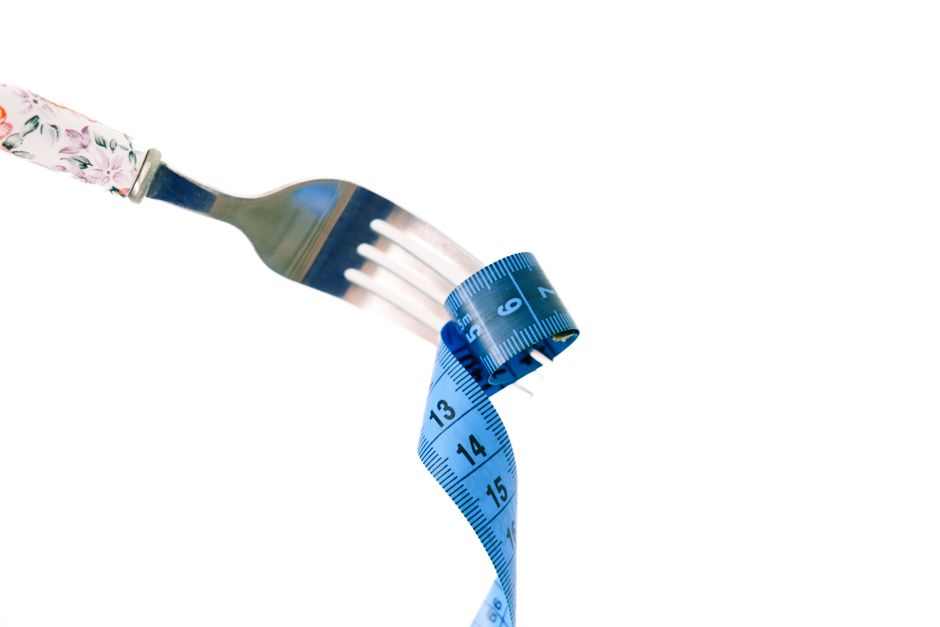
There is no food that melts fat, and anyone selling you one is selling you something else. The fastest sustainable weight loss comes from eating more protein, more fiber, and fewer highly processed foods — while keeping total calories below what your body burns. That combination works because it controls hunger, not because any single ingredient burns fat.
If you want to lose weight quickly, build meals around lean protein, vegetables, whole fruits, beans, and whole grains. Cut sugary drinks first. Those changes alone can create a calorie gap large enough to see results within weeks, and they are far easier to keep than any extreme diet.
What To Eat To Reduce Weight Quickly?
Protein and fiber do most of the heavy lifting. Both slow digestion and trigger satiety signals that tell your brain you have eaten enough. Calorie restriction without them usually fails because hunger wins.
Protein has the strongest evidence behind it for preserving muscle during weight loss. Muscle burns more calories at rest than fat, so losing muscle slows your metabolism over time. Eating enough protein helps protect it. Good sources include chicken, turkey, fish, eggs, Greek yogurt, cottage cheese, tofu, tempeh, and lentils.
Fiber adds volume to food without adding many calories. Vegetables, beans, and whole fruits fill your stomach and keep it full longer. Most adults in the US eat far less fiber than the recommended 25 to 38 grams per day depending on age and sex, according to federal dietary guidelines. Closing that gap is one of the simplest changes you can make.
Water matters more than people think. Drinking water before a meal is associated with eating fewer calories at that meal in some studies. The effect is modest, but it costs nothing and replaces sugary drinks, which is where the real calorie savings often hide.
Why Do Protein And Fiber Help With Weight Loss?
Protein takes more energy to digest than fat or carbohydrates. This is called the thermic effect of food, and it is a real, measured phenomenon. Protein also raises levels of satiety hormones like GLP-1 and PYY while lowering ghrelin, the hormone that makes you feel hungry.
Fiber works differently. Soluble fiber forms a gel-like substance in your gut that slows emptying. Insoluble fiber adds bulk. Both increase feelings of fullness and can reduce the number of calories you eat without conscious effort.
The combination matters. A meal of grilled chicken and roasted vegetables will keep you full far longer than the same number of calories from white bread and jam. Same calories, very different hunger response. That difference is what makes a diet survivable.
Which Foods Should You Prioritize?
Build every meal around a protein source, a large serving of vegetables, and a modest portion of whole grains or beans. This pattern is sometimes called a plate method, and it works without counting every calorie.
- Lean proteins: chicken breast, turkey, fish, eggs, Greek yogurt, cottage cheese, tofu, edamame
- Vegetables: leafy greens, broccoli, peppers, zucchini, cauliflower, tomatoes, cucumbers
- Fruits: berries, apples, oranges, pears — whole fruit, not juice
- Beans and legumes: lentils, chickpeas, black beans, kidney beans
- Whole grains: oats, quinoa, brown rice, barley, whole wheat bread
- Healthy fats in small amounts: olive oil, nuts, seeds, avocado
These foods share two traits: high water or fiber content, and a low calorie density. Calorie density means the number of calories per gram of food. Foods with low calorie density let you eat a larger volume for the same calories, which matters for how full you feel.



What Should You Cut Back On?
Sugary drinks are the single easiest target. Sodas, sweetened coffee drinks, energy drinks, and fruit juice deliver calories that do not make you full. Liquid calories slip past your satiety signals in a way solid food does not.
Highly processed snack foods come next. Chips, cookies, pastries, and most packaged snacks combine refined carbohydrates, fat, and salt in ways that are hard to stop eating. Research published in the journal Cell Metabolism found that people ate significantly more calories on a diet of ultra-processed foods compared with an unprocessed diet, even when the meals were matched for calories, sugar, fat, and fiber. That study was small and short, but the finding is striking.
Alcohol deserves a mention. It adds calories and tends to reduce self-control around food. Cutting back often produces results with no other changes.
Refined carbohydrates like white bread, white rice, and most breakfast cereals are not forbidden, but they are easy to overeat and less filling than their whole-grain versions.
Do Meal Timing And Frequency Matter?
Total calories matter more than when you eat them. That said, some patterns make it easier to eat less without feeling deprived.
Eating protein at breakfast tends to reduce hunger later in the day. A breakfast of eggs or Greek yogurt keeps you steadier than a bagel or cereal. Some studies suggest this effect, though results vary between people.
Intermittent fasting, which limits eating to a window of hours each day, works for some people and not others. Research comparing it to standard calorie restriction generally finds similar weight loss when total calories are matched. It is not magic, but it can be a useful structure if it helps you eat less overall.
Eating slowly and stopping when you are satisfied rather than stuffed gives your satiety hormones time to work. It takes roughly 20 minutes for fullness signals to reach your brain.
How Fast Can You Realistically Lose Weight?
A loss of 1 to 2 pounds per week is the range most clinical guidelines describe as safe and sustainable. Faster loss is possible, especially at the start, but it often includes water weight and is harder to maintain.
Very low calorie diets can produce rapid results, but they require medical supervision and are typically reserved for specific clinical situations. On your own, aggressive restriction tends to backfire. Hunger increases, muscle is lost, and the weight comes back.
The first week or two often shows a larger drop. That is mostly water and glycogen, not fat. Do not use it as a benchmark for what comes next.
What matters more than speed is whether the changes stick. A diet you can follow for a year beats a diet you can follow for two weeks.
What About Popular Diets And Supplements?
Low-carb, keto, paleo, and plant-based diets all produce weight loss when they reduce calories. Head-to-head studies generally show similar results at 12 months when adherence is similar. The best diet is the one you can actually follow.
Supplements marketed for weight loss rarely hold up. The evidence for most is weak or absent, and some have caused real harm. The FDA has issued warnings about numerous weight loss products containing undeclared prescription drugs or dangerous ingredients. No supplement has been shown to produce meaningful, lasting weight loss on its own.
There is one clarification worth making. “Metabolism boosting” is mostly marketing. A few substances like caffeine can slightly raise energy expenditure for a short time, but the effect is small and does not translate into meaningful weight loss. Your metabolic rate is largely determined by your body size, muscle mass, age, and genetics — not by any food you eat.
What Actually Works Long Term?
The pattern that works is boring and repeatable. Eat protein at every meal. Fill half your plate with vegetables. Choose whole foods over processed ones most of the time. Drink water instead of sugary drinks. Move your body regularly.
Sleep and stress affect weight more than most people realize. Short sleep raises ghrelin and lowers leptin, the hormone that signals fullness. Chronic stress raises cortisol, which can increase appetite and promote fat storage around the abdomen. Neither is a moral failing — they are physiology.
If you have a medical condition, take medications that affect weight, are pregnant or breastfeeding, or plan to lose more than a modest amount, talk to a clinician before making big changes. No clinical guidelines exist for rapid weight loss during pregnancy or breastfeeding, and restriction during those periods should be managed by a doctor.
Weight loss is not a straight line. Plateaus happen. Weeks where nothing changes happen. The foods above are not a trick — they are simply the ones that make eating less feel less like suffering. That is why they work.
Frequently Asked Questions
What is the fastest food to eat to lose weight?
No single food causes fast weight loss, but protein-rich foods like eggs, Greek yogurt, chicken, and fish help most because they reduce hunger. Pair them with high-fiber vegetables for the strongest effect.
Can I lose weight in a week by changing what I eat?
You can see the scale move within a week, but most early loss is water and glycogen rather than fat. Sustainable fat loss typically runs about 1 to 2 pounds per week.
Should I cut out carbs completely to lose weight quickly?
You do not need to cut carbs entirely. Reducing refined carbs like white bread, sugary drinks, and packaged snacks helps most people, while whole grains and beans can stay in the diet.
Do weight loss supplements actually work?
No supplement has been shown to produce meaningful, lasting weight loss on its own, and some have caused serious harm. The FDA has warned about weight loss products containing undeclared drugs or dangerous ingredients.
