
Potassium is a mineral your body needs for normal muscle function, nerve signaling, and keeping your heartbeat steady. To increase potassium levels through food, the most reliable sources are unprocessed foods: beans and lentils, potatoes with the skin, leafy greens, winter squash, tomatoes, bananas, oranges, dairy, and fish. Most healthy adults need about 3,400 milligrams of potassium a day from food, according to the National Academies, and a diet built around whole foods can meet that without supplements.
What surprises many people is how much potassium sits in foods they don’t think of as “potassium foods.” A plain baked potato with skin delivers more potassium than a banana. So does a cup of cooked white beans. Bananas get the reputation, but they are not the top source.
Why Is Potassium Important for Your Body?
Potassium is the main positive ion inside your cells, and it works in constant balance with sodium outside your cells. That balance is what allows muscles to contract, nerves to fire, and your heart to keep a regular rhythm.
This electrical balance is why potassium matters so much for blood pressure. Sodium pulls water into your bloodstream and raises pressure; potassium helps your kidneys remove sodium and relaxes blood vessel walls. Research consistently shows that diets higher in potassium and lower in sodium are linked to lower blood pressure. The Dietary Approaches to Stop Hypertension (DASH) eating plan, which emphasizes potassium-rich foods, is one of the most studied dietary approaches for blood pressure.
Potassium also helps regulate fluid balance, supports normal kidney function, and works with calcium and magnesium to support bone health over time. It is involved in converting glucose into energy your muscles can use.
Most people in the US do not get enough. Federal dietary surveys have found that the average intake falls well below the recommended amount for both men and women.
What To Eat To Increase Potassium Levels?
Build your plate around these food groups. The amounts below come from USDA nutritional data for standard serving sizes, and they show why a varied whole-food diet matters more than any single “potassium food.”
- Beans and lentils. One cup of cooked white beans has roughly 1,000 mg of potassium. Cooked lentils, kidney beans, and black beans are all strong sources.
- Potatoes and sweet potatoes. One medium baked potato with the skin has about 900 mg. The skin holds a large share of the potassium, so eating it matters.
- Leafy greens. One cup of cooked spinach has about 840 mg. Swiss chard and beet greens are similar.
- Winter squash. One cup of cooked acorn or butternut squash has roughly 500–900 mg depending on the type.
- Tomatoes and tomato products. One cup of canned tomato sauce can have over 800 mg. Fresh tomatoes, tomato juice, and paste are all concentrated sources.
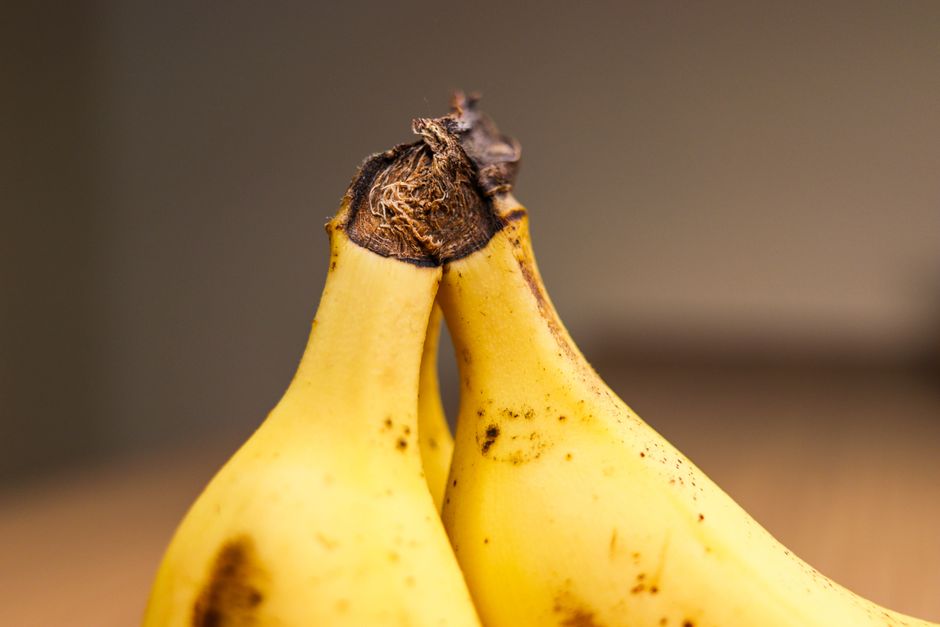
- Fruit. A medium banana has about 420 mg. Oranges, orange juice, prunes, dried apricots, and avocados (one whole avocado has roughly 700 mg) are all higher or comparable.
- Dairy. One cup of milk has about 380 mg. Yogurt is similar.
- Fish. A 3-ounce serving of cooked salmon has about 350–400 mg. Halibut and tuna are also good sources.
- Nuts and seeds. Almonds, pistachios, and pumpkin seeds are moderate sources.
Notice the pattern. The foods highest in potassium are mostly unprocessed or minimally processed. Highly processed foods tend to be low in potassium and high in sodium — the opposite of what most people need.
How Much Potassium Do You Need Per Day?
Healthy adults should aim for about 3,400 mg of potassium a day from food, according to the National Academies. That figure applies to men and women, though recommendations vary slightly by age and life stage.
Here is a rough comparison of what a day of potassium-rich eating can look like:
| Food | Serving | Approximate Potassium |
|---|---|---|
| Baked potato with skin | 1 medium | 900 mg |
| Cooked white beans | 1 cup | 1,000 mg |
| Cooked spinach | 1 cup | 840 mg |
| Banana | 1 medium | 420 mg |
| Milk | 1 cup | 380 mg |
| Salmon, cooked | 3 ounces | 350–400 mg |
Three meals that each include a potassium-rich food — beans at lunch, a potato or squash at dinner, fruit and dairy at breakfast — can get most adults close to the target without much effort.




Do You Need Potassium Supplements?
Most healthy people do not need potassium supplements, and taking them without medical guidance carries real risk. In the US, over-the-counter potassium supplements are limited by regulation to 99 mg per pill. That is far below what food delivers, and it reflects a genuine safety concern.
High doses of potassium can cause dangerous heart rhythm problems, especially in people with kidney disease or those taking certain medications. If a doctor has told you that you have low potassium (hypokalemia), they will usually prescribe a specific dose and monitor your blood levels. Do not self-treat with supplements.
Food is the preferred route for a reason: it is very hard to overdose on potassium from food alone when your kidneys are working normally. Your kidneys adjust how much potassium they excrete to keep blood levels steady.
Who Should Be Careful With Potassium?
People with kidney disease need to be cautious about potassium. Healthy kidneys remove excess potassium, but damaged kidneys may not, and potassium can build up to dangerous levels — a condition called hyperkalemia. If you have chronic kidney disease, follow the guidance of your kidney specialist about potassium intake rather than aiming for the general recommendation.
Certain medications also affect potassium. ACE inhibitors, angiotensin receptor blockers (ARBs), and potassium-sparing diuretics can raise blood potassium. People taking these medications should have levels checked as directed by their doctor. Some salt substitutes are made with potassium chloride and can add meaningful potassium to the diet — worth knowing if you have kidney concerns.
If you are generally healthy, potassium-rich foods are safe and beneficial. The caution applies to specific medical situations, not to most people.
Does Cooking Affect Potassium in Food?
Cooking can leach potassium out of food, particularly when you boil vegetables in a large amount of water. Potassium is water-soluble, so some of it moves into the cooking liquid.
Roasting, steaming, and microwaving preserve more potassium than boiling. If you boil, using less water and keeping the cooking liquid for soups or stews helps retain what leaches out. For people with kidney disease who need to limit potassium, boiling in plenty of water and discarding it is sometimes used deliberately — a detail worth knowing because it shows the same cooking method can serve opposite goals.
For most healthy people, the difference is not large enough to worry about. The bigger issue is simply eating enough potassium-rich foods in the first place.
The Bottom Line on Potassium-Rich Eating
Focus on whole foods: beans, potatoes with skin, leafy greens, squash, tomatoes, fruit, dairy, and fish. These are the foods that reliably deliver potassium, and they come packaged with fiber, vitamins, and other minerals that supplements cannot replicate.
Cutting back on highly processed foods helps too, because it lowers sodium while increasing the ratio of potassium to sodium in your diet — and that ratio matters for blood pressure. Small shifts, like adding beans to a meal or eating the potato skin, add up over a week.
Frequently Asked Questions
What food has the most potassium?
Beans and lentils are among the highest sources, with about 1,000 mg of potassium in one cup of cooked white beans. A baked potato with skin and cooked spinach are also near the top.
Is banana the best source of potassium?
No. A medium banana has about 420 mg of potassium, which is less than a baked potato with skin, a cup of beans, or a cup of cooked spinach. Bananas are a good source, but not the highest.
How can I raise my potassium level quickly?
Eating several potassium-rich foods across the day — beans, potatoes, leafy greens, and fruit — can raise intake steadily, but blood potassium levels are tightly controlled by your kidneys. If a doctor has diagnosed low potassium, follow their treatment plan rather than trying to correct it with food alone.
Are potassium supplements safe?
Not without medical guidance. Over-the-counter potassium pills are limited to 99 mg, and high doses can cause dangerous heart rhythm problems, especially in people with kidney disease.
