
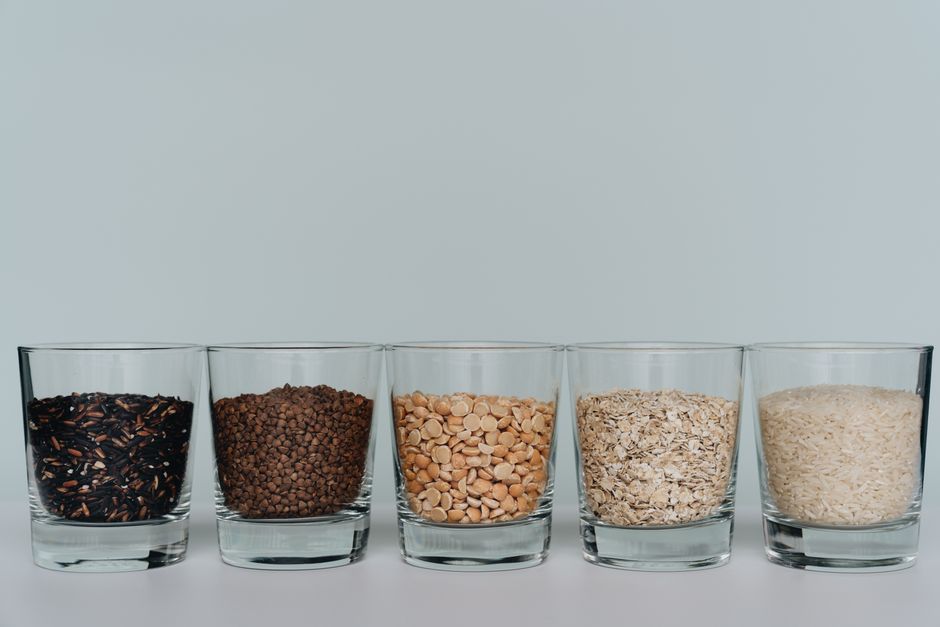
Protein is in every cell in your body. You need it to build muscle, repair tissue, make enzymes and hormones, and keep your immune system working. Most people in the US get enough protein without trying, but some groups fall short, and others want to eat more strategically. Getting your protein up comes down to food choices: meat, poultry, fish, eggs, dairy, beans, lentils, soy foods, nuts, and seeds. The amount you need depends on your body weight, age, activity level, and health.
What To Eat To Get Your Protein Levels Up?
Animal foods pack the most protein per serving, but plant foods can close the gap when you eat enough of them and mix your sources across the day.
Here is how common foods compare, using protein values from USDA food composition data:
| Food (cooked unless noted) | Protein per serving |
|---|---|
| Chicken breast, 3 oz | About 26 g |
| Lean beef, 3 oz | About 22 g |
| Salmon, 3 oz | About 22 g |
| Tuna, canned, 3 oz | About 20 g |
| Eggs, 2 large | About 12 g |
| Greek yogurt, plain, 1 cup | About 20 g |
| Cottage cheese, 1 cup | About 24 g |
| Milk, 1 cup | About 8 g |
| Lentils, 1 cup | About 18 g |
| Black beans, 1 cup | About 15 g |
| Firm tofu, 1/2 cup | About 11 g |
| Tempeh, 1/2 cup | About 16 g |
| Edamame, 1 cup shelled | About 17 g |
| Peanut butter, 2 tbsp | About 7 g |
| Almonds, 1 oz | About 6 g |
| Quinoa, 1 cup | About 8 g |
Notice the pattern. A single chicken breast can cover half a day’s protein for many adults. Plant foods deliver less per serving, so you need to eat more of them, and more often, to hit the same total.
One detail that gets lost: plant proteins are not “incomplete” in any meaningful sense for people eating a varied diet. Most plant foods contain all the essential amino acids, just in different amounts. Your body maintains a pool of amino acids, so you do not need to pair rice and beans at the same meal. Eating a range of plant proteins across the day works.
How Much Protein Do You Actually Need?
The official US recommendation, called the Recommended Dietary Allowance (RDA), is 0.8 grams of protein per kilogram of body weight per day for adults. For a 150-pound person, that is about 54 grams a day.
That number is the minimum to prevent deficiency in a mostly sedentary adult. It is not necessarily the ideal amount for everyone. Here is where the evidence sits:
- Older adults — some research suggests higher intake, around 1.0 to 1.2 g per kg, may help preserve muscle mass with age. This is a widely discussed area, though not every study agrees on the exact threshold.
- People doing regular strength training — the RDA is likely too low to maximize muscle gain. Sports nutrition guidance often points to roughly 1.2 to 1.6 g per kg per day, with some sources going higher. The evidence here is reasonably strong for athletes.
- People with kidney disease — protein intake often needs to be limited, and this should be managed with a doctor or dietitian, not self-directed.
- Pregnant and breastfeeding women — needs go up modestly. Follow guidance from your clinician rather than adjusting on your own.
For most healthy adults eating a normal diet, hitting 0.8 g per kg is easy. A few servings of animal protein or a deliberate mix of plant proteins will get you there.
What Are the Best Animal Sources of Protein?
Animal proteins are complete, meaning they contain all nine essential amino acids in proportions your body uses well. They are also highly digestible.
Lean poultry and fish are the most efficient choices. Chicken and turkey breast deliver more than 20 grams per 3-ounce serving with relatively little saturated fat. Fish like salmon, tuna, and cod are similar in protein and add omega-3 fats.
Eggs are one of the most convenient sources. One large egg has about 6 grams of protein, mostly in the white. Dairy is another strong option. Greek yogurt and cottage cheese are protein-dense, and milk provides about 8 grams per cup.
Red meat works too but comes with more saturated fat. The evidence linking high red meat intake to certain health risks is strongest for processed meats like bacon, sausage, and deli slices, not fresh unprocessed beef. If you eat red meat, lean cuts and moderate portions make sense.
How Do You Get Enough Protein From Plant Foods?
You can meet your protein needs entirely from plants, but it takes more planning. The volume of food is higher, and you need to be deliberate about including protein-rich plant foods rather than relying on vegetables alone.
Legumes are the backbone. Lentils, chickpeas, black beans, and split peas deliver 14 to 18 grams per cooked cup. Soy foods are the highest-protein plant options: tofu, tempeh, and edamame all rival some animal foods per serving.
Grains and nuts contribute too, though in smaller amounts. Quinoa, oats, and whole wheat all add protein across the day. Nuts and seeds like almonds, peanuts, hemp seeds, and pumpkin seeds are concentrated sources, but portion sizes matter because they are calorie-dense.
Some people find it easier to use protein sources that are more concentrated. Seitan, made from wheat gluten, has about 25 grams per 3-ounce serving, though it is not suitable for anyone with celiac disease or gluten sensitivity. Plant protein powders can help fill gaps, but whole foods should be the base.
One practical point: plant proteins are generally less digestible than animal proteins, and some plant foods contain compounds that reduce absorption of certain nutrients. Eating a variety and enough total protein covers this in practice. You do not need to obsess over digestibility scores.
Does Timing and Spacing of Protein Matter?
Total daily protein matters more than timing for most people. But there is some evidence that spreading protein across meals, rather than eating most of it at dinner, may support muscle maintenance better, especially in older adults.
Research on muscle protein synthesis suggests that roughly 25 to 30 grams of high-quality protein per meal may be enough to stimulate muscle building in healthy adults. This is not a hard rule, and the evidence on exact thresholds is not settled. But it supports a practical habit: include a protein source at breakfast and lunch, not just dinner.
Many people eat very little protein at breakfast. Cereal and toast might deliver 5 to 8 grams. Adding eggs, Greek yogurt, or a scoop of protein powder to a morning meal can shift the whole day’s total without much effort.
What About Protein Powders and Supplements?
Protein powders are convenient but not necessary for most people. Whey and casein come from milk and are well studied. Plant-based powders from pea, soy, or rice protein are also effective, though some have a different amino acid profile.
The evidence does not show that protein supplements build more muscle than whole foods when total protein intake is equal. They are a tool for convenience, not a superior source. If you struggle to eat enough protein from food, a powder can help. If you eat a varied diet with protein at each meal, you likely do not need one.
Be cautious with supplements marketed for “protein absorption” or “amino acid optimization” beyond basic protein. No clinical evidence currently confirms that these add benefit for healthy people eating adequate protein.
Who Is Most at Risk of Low Protein?
Protein deficiency is uncommon in the US, but certain groups are more likely to fall short:
- Older adults — appetite often declines, and muscle loss accelerates with age. Getting enough protein becomes more important, not less.
- People on restrictive diets — very low-calorie diets, some elimination diets, and poorly planned vegan diets can all lead to low intake.
- People with digestive conditions — conditions that impair absorption, such as inflammatory bowel disease or celiac disease, can reduce how much protein your body actually uses.
- People recovering from illness or surgery — protein needs rise during recovery, and intake often drops at exactly the wrong time.
- People with low income or limited food access — protein-rich foods can be expensive, and this is a real barrier, not a personal failing.
Signs of low protein can include muscle loss, slow wound healing, frequent infections, swelling in the legs and feet, and hair thinning. These signs overlap with many other conditions, so they should not be used to self-diagnose. A doctor can check with blood tests and a dietary review.
How Can You Add Protein Without Overthinking It?
Small changes add up faster than a complete diet overhaul. Here are practical moves that work for most people:
- Add a scoop of Greek yogurt to your breakfast or swap it for a lower-protein option.
- Keep hard-boiled eggs or cottage cheese in the fridge for quick snacks.
- Add a can of beans or lentils to soups, salads, and pasta dishes.
- Choose fish or chicken as your default protein a few nights a week.
- Keep nuts and seeds on hand, but watch portions if calories matter to you.
- Swap white rice for quinoa occasionally, or add edamame to grain bowls.
None of this requires precision. The goal is a steady supply of protein across the day, from a mix of sources you actually enjoy eating.
Frequently Asked Questions
What is the fastest way to raise your protein intake?
Add a protein-dense food to a meal you already eat, such as Greek yogurt at breakfast or beans in a soup. Small additions at every meal raise your total faster than one large change.
Can you get enough protein from plants alone?
Yes, if you eat enough legumes, soy foods, grains, nuts, and seeds across the day. Plant proteins require more planning and larger portions than animal proteins.
How much protein do you need per day?
The general adult recommendation is 0.8 grams per kilogram of body weight daily. People who strength train, older adults, and those recovering from illness may need more, but specific targets should come from a clinician or dietitian.
Do you need protein powder to build muscle?
No. Research does not show that protein supplements build more muscle than whole foods when total protein intake is equal. Powders are a convenience, not a requirement.
