
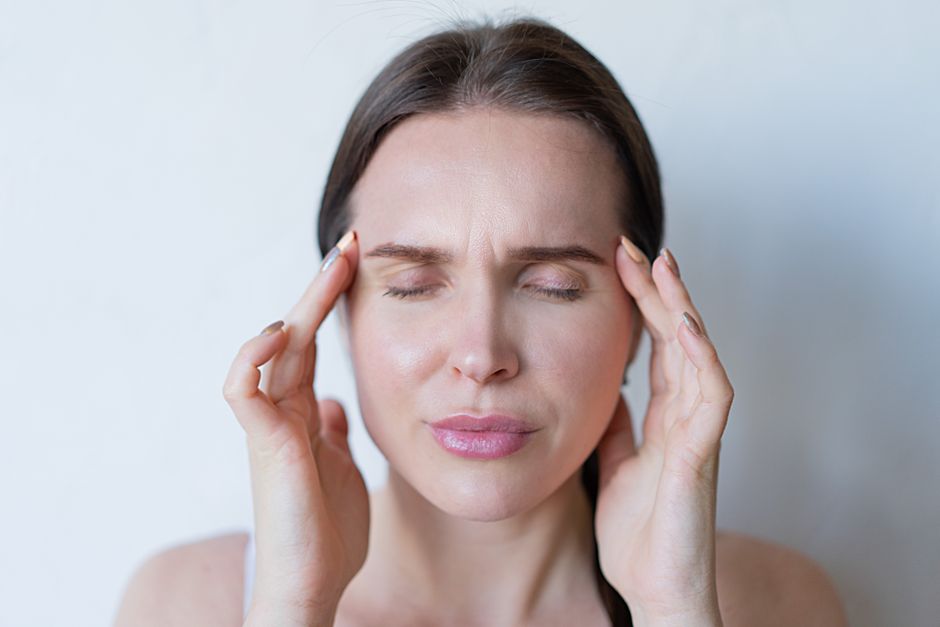
No food cures a headache. That is the honest starting point, and it matters because a lot of what you read online suggests otherwise. What you eat can influence some headaches — mainly through blood sugar stability, hydration, and avoiding individual triggers — but diet is a supporting factor, not a treatment. For most people, the biggest dietary wins are regular meals, steady hydration, and noticing which specific foods, if any, set off their headaches.
That answer holds for the common headache types most readers deal with: tension headaches and migraines. It does not apply to sudden severe headaches, headaches with fever or stiff neck, or headaches after a head injury. Those need medical attention, not a snack.
What To Eat To Cure Headache?
There is no food that stops a headache once it has started. The realistic goal is to reduce the conditions that make headaches more likely — and the most reliable dietary lever is keeping your blood sugar and fluid intake steady.
When you skip meals, blood sugar drops. The brain is highly sensitive to that drop, and for some people it reliably triggers a headache. Eating at regular intervals, and including a source of protein or fiber with carbohydrates, slows the release of glucose into the blood and avoids the sharp swings that come from eating sweets alone.
Hydration is the other big one. Even mild dehydration is a well-recognized headache trigger. Water is the simplest answer. Drinks with caffeine or alcohol can work against you because both have a diuretic effect, though the caffeine picture is more complicated than it first appears — more on that below.
What a steady eating pattern tends to look like:
- Breakfast with protein — eggs, Greek yogurt, or nut butter on whole grain toast
- Lunch and dinner built around a protein, a vegetable, and a whole-grain or starchy component
- Snacks that combine carbohydrate with protein or fat — an apple with peanut butter, cheese with crackers, nuts
- Water through the day, not just when you feel thirsty
None of this is a cure. It is the foundation that makes other headache management more effective.
Which Foods Are Common Headache Triggers?
Trigger foods are real for some people and irrelevant for others. The evidence for specific food triggers in migraine is mixed, and the list of commonly blamed foods is longer than the list with solid support.
The most frequently cited triggers include aged cheeses, cured and processed meats, red wine, chocolate, citrus, and foods containing monosodium glutamate (MSG). Some people clearly react to these. Many do not.
Two things are worth understanding here. First, food triggers are individual. A food that sets off one person’s migraine may do nothing to another. Second, the relationship between food and migraine is not always cause and effect. Cravings for chocolate or cheese can show up in the hours before a migraine as part of the early phase — the food gets blamed, but the migraine was already starting.
If you suspect a trigger, the practical approach is a headache diary. Record what you eat and when headaches occur, and look for patterns over weeks rather than reacting to a single episode. Cutting out many foods at once tends to produce confusion rather than clarity, and unnecessary restriction can make it harder to eat well.
Does Caffeine Help or Hurt Headaches?
Caffeine is genuinely two-sided. In small amounts it can ease headache pain and is an ingredient in some over-the-counter headache medicines. In larger amounts, or when you stop it abruptly, it can cause headaches.
The withdrawal effect is well documented. People who drink caffeine daily and then skip it can develop a headache within hours to a day or so. That headache is not a sign that caffeine is good for you — it is a sign your body adapted to it.
For most people with occasional headaches, moderate and consistent caffeine intake is not a problem. The trouble comes from wide swings: a lot one day, none the next. If you want to cut back, tapering gradually rather than stopping suddenly reduces the chance of a withdrawal headache. Anyone with frequent headaches should look honestly at their caffeine intake, including coffee, tea, soda, and energy drinks.
Do Magnesium and Other Nutrients Matter?
Some research suggests magnesium may help reduce migraine frequency in some people. The evidence is not strong enough to call it a treatment, and results across studies vary. Magnesium is found in foods like leafy greens, nuts, seeds, beans, and whole grains.
Other nutrients get mentioned often — riboflavin (vitamin B2) and coenzyme Q10 among them. Some studies suggest possible benefit for migraine prevention, but the evidence is limited and not consistent. These are not established treatments.
Here is where caution matters. Taking high doses of any supplement is not risk-free, and the right dose for one person is not the right dose for another. No clinical guidelines currently exist for using magnesium or other supplements to treat headache in children or pregnant women. Anyone considering supplements — especially during pregnancy, while breastfeeding, or alongside medication — should talk to a clinician first.
Can Skipping Meals Cause Headaches?
Yes. Missed meals are one of the more consistent dietary triggers reported by people who get migraines. The mechanism is fairly well understood: going long stretches without food drops blood glucose, and the brain responds to that drop in ways that can set off a headache.
This is why regular meal timing tends to matter more than any single food. People who eat at unpredictable times — long gaps between meals, heavy reliance on coffee for breakfast, late dinners after a skipped lunch — give themselves more opportunities for a blood-sugar dip.
The fix is not complicated. Eat something within a reasonable time of waking. Avoid gaps of many hours between meals if you know you are prone to headaches. Keep a snack on hand for days when meals get delayed. These are simple habits, but for the right person they make a real difference.
What About Alcohol and Headaches?
Alcohol is a well-recognized headache trigger, particularly red wine in migraine. The reasons are not fully settled. Alcohol causes blood vessels to widen, contributes to dehydration, and contains compounds — especially in red wine — that some people appear to react to.
The relationship varies a lot between individuals. Some people can drink moderately without issue. Others reliably get a headache from even small amounts. If alcohol seems linked to your headaches, the useful move is to notice the pattern rather than assume it applies to everyone.
When Should You See a Doctor About Headaches?
Most headaches are not dangerous. But some patterns need medical attention rather than dietary changes.
Seek care promptly for a headache that comes on suddenly and severely, one accompanied by fever, stiff neck, confusion, weakness, vision changes, or trouble speaking, or a headache after a head injury. These can signal something more serious than a tension headache or migraine.
Also worth a conversation with a clinician: headaches that are becoming more frequent or severe, headaches that wake you from sleep, headaches that do not respond to usual measures, or headaches that interfere with daily life. Diet can support headache management, but it cannot diagnose or rule out a medical cause. If headaches are frequent, getting them properly evaluated is the more important step.
Frequently Asked Questions
What food gets rid of a headache fast?
No food reliably stops a headache once it has started. Water and a small snack can help if dehydration or low blood sugar is the cause, but neither treats a migraine or tension headache directly.
Is banana good for headaches?
Bananas contain magnesium and potassium and are a reasonable snack, but there is no strong evidence they treat or prevent headaches. Their main benefit is as part of regular, balanced eating.
Can dehydration cause headaches?
Yes, even mild dehydration is a well-recognized headache trigger. Drinking water steadily through the day is one of the simplest ways to reduce that risk.
Should I avoid cheese if I get migraines?
Only if you have noticed a clear pattern linking cheese to your headaches. Aged cheese is a commonly cited trigger, but reactions are individual and the evidence is mixed.
